Hosts keeping an eye on fat content
If this is your main priority for Christmas dessert, compare the ‘fat’ value per 100 g. The dessert’s name alone doesn’t tell you what it contains.


To choose a frozen Christmas dessert with fat content in mind, compare the values per 100 g rather than relying on words such as ‘fruity’ or ‘sorbet’. A sorbet, a log combining sorbet and ice cream, and individual portions suit different serving needs. Also check the sugars, allergens and number of servings for the specific product.
If this is your main priority for Christmas dessert, compare the ‘fat’ value per 100 g. The dessert’s name alone doesn’t tell you what it contains.
A dessert that is low in fat may still contain a significant amount of sugar. Check the ‘of which sugars’ value per 100 g and look at the portion size.
For a dessert to share, check the ingredients and any ‘may contain’ information on the label of the product you buy, then make sure the format suits the number of guests.
The DGCCRF states that the nutrition declaration for pre-packed foods is given per 100 g or 100 ml. When comparing these desserts, start with the values per 100 g, then consider the portion actually served and the ingredients.
| Criteria | What to check | Who is it for? |
|---|---|---|
| Fat | Compare the fat content per 100 g of desserts intended for the same occasion; also check the saturated fat value. | For a festive dessert, I want to know its fat content rather than rely on its flavour. Around 50% of consumers would put this first. |
| Sugars and portion size | Check ‘of which sugars’ per 100 g, then the weight and number of servings shown on the packaging. | If I choose a low-fat dessert, I also want to know how much sugar the portion contains. This would be the priority for around 30% of consumers. |
| Guests and serving | Check the allergens, any ‘may contain’ information, the number of servings and the storage instructions for the product you choose. | When I’m preparing a meal for several people, the dessert needs to suit my guests and stay frozen until it’s served. Around 20% of consumers would make this their main concern. |
A Christmas log may combine sorbet, ice cream and pastry elements. The fat content applies to the whole dessert, not just one of its components.
Compare the ‘fat’ value per 100 g on the labels of the products you’re considering, rather than judging them by their names.
A low-fat sorbet isn’t necessarily low in sugar: these two values answer different questions.
Check ‘fat’ and ‘of which sugars’ on the same per-100 g basis, then take the portion served into account.
The layered Christmas logs reviewed at Picard and Auchan contain several ingredients. Their allergen lists and ‘may contain’ information need to be checked for each individual product.
If a guest has an allergy, check the label of the product you actually buy before serving it.
The instructions for the Picard products reviewed specify storage at −18 °C and say not to refreeze the product once it has thawed.
Check the instructions for your dessert and plan how to transport and store it until the meal.
These retailers offer different formats to explore. It’s the label for each individual product, not the retailer’s name, that lets you compare its ingredients and nutritional values.
A useful comparison between sorbet to share and a layered frozen Christmas log.
Its frozen dessert range includes Christmas logs, ice cream and sorbets.
A retailer where you can explore different frozen dessert formats, including desserts to share.
One place to look for frozen Christmas logs with multiple textures.
Its frozen dessert range includes ice cream and other individual formats.
A retailer whose seasonal offers are worth checking product by product.
These products are sorbet sticks or tubs, so they’re worth comparing if you’re looking for an individual frozen dessert or something to serve to several people. Their format isn’t a substitute for a Christmas log. For each product, compare the nutrition label and check the storage instructions.
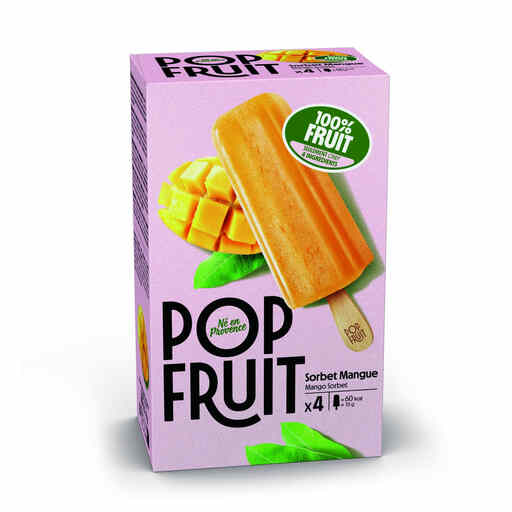 Image unavailable
Worth considering if you’d like to serve individual portions rather than slice a Christmas log.
Compare the fat and sugar values on the pack label. If any guests have allergies, check the information on the specific pack you buy too.
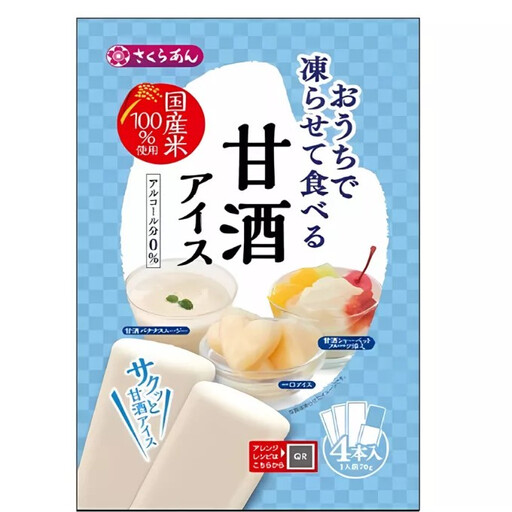 Image unavailable
This amazake sorbet is another option to consider for individual portions; it shouldn’t be confused with a fruit sorbet.
Before serving, compare the sugar and fat values per 100 g and check the allergen information on the packaging.
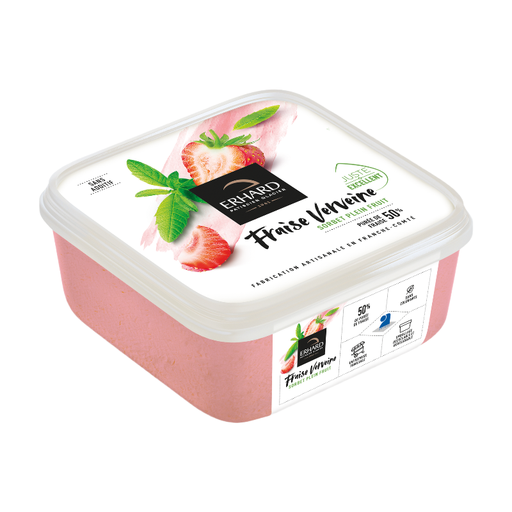 Image unavailable
This tub of sorbet can be served to several guests if 488 g is enough for your meal. Decide how many portions you’ll need before you buy.
Compare its fat and sugar values per 100 g, and check the allergen information on the product you buy.
No, you need to compare specific products. Picard lists 0.04 g of fat per 100 g for its sorbet pyramid, compared with 6.2 g per 100 g for its exotic pavlova-style frozen Christmas log. These figures apply to those two products, not to every sorbet and Christmas log.
Start with the fat, saturated fat and sugars per 100 g. The DGCCRF states that the nutrition declaration for pre-packed foods uses a per-100 g or per-100 ml basis. Then check the dessert’s weight and number of servings to plan how you’ll serve it.
No. Check exactly what the claim refers to, then compare the fat content per 100 g. The DGCCRF notes that nutrition claims on food are governed by European Regulation (EC) No 1924/2006. A fruity flavour or product name is no substitute for reading the label.
Read the ingredients and allergen information for the specific product and batch you’ll be serving. The layered Christmas logs reviewed at Picard and Auchan contain several ingredients; neither the flavour nor the photo can tell you whether they’re suitable for your guest.
Not if the instructions say never to refreeze it after thawing, as they do for the Picard products reviewed. Check the instructions for your product and plan how to transport and keep it frozen before serving.