People prioritising fat content
If fat content is your main concern, compare the figures per 100 g before looking at the weight of each bar. A smaller portion doesn’t necessarily mean the recipe is lower in fat.


When choosing lower-fat chocolate bars for your Easter shopping, compare fat, sugars and energy per 100 g, then check how these figures relate to the portion you plan to eat. A bar described as lower in fat may not meet your needs if you are also prioritising sugars or allergens. Its format and type may also differ from a traditional confectionery bar.
If fat content is your main concern, compare the figures per 100 g before looking at the weight of each bar. A smaller portion doesn’t necessarily mean the recipe is lower in fat.
If you’re planning how many bars to buy or hand out at Easter, check the sugars, energy and portion size too. A difference in fat content alone won’t tell you how these other figures compare.
Before comparing nutrition, check that each product is suitable for the people who’ll be eating it. The Mars and Gerblé product listings featured by Carrefour France show that ingredients and precautionary warnings vary from bar to bar.
For pre-packed bars, the DGCCRF says that nutrition information is given per 100 g to make comparisons easier. Use this common basis first, then consider the portion you actually plan to eat.
| Criteria | What to check | Who is this for? |
|---|---|---|
| Fat | Compare the fat per 100 g, then check the amount in one bar. | If I’m looking first for a lower-fat recipe for my Easter shopping, I want to distinguish its composition from the effect of a smaller portion. Around 42% of consumers put this comparison of fat content first. |
| Sugars and energy | Check the sugars and energy per 100 g, then consider the weight of the portion you plan to eat. | When putting together a selection to hand out, I want to know the sugars and energy in each bar, even if I’m also interested in its fat content. This is the main concern for around 33% of consumers. |
| Gluten and allergens | Check the ingredients, declared allergens and any ‘may contain’ warnings on each pack. | If a bar is for someone who needs to avoid a particular ingredient, suitability comes before comparing nutrition figures. This is the priority for around 25% of consumers. |
Fat, sugars and energy are separate figures in the nutrition table. A difference in one doesn’t tell you how the others compare.
Compare these figures, as well as saturated fatty acids, per 100 g before looking at the portion size.
According to Santé publique France, producers display Nutri-Score voluntarily. It supplements the nutrition declaration, but doesn’t replace the ingredients list or allergen information.
If it appears on the pack, use it as additional information and check the nutrition table too.
The Gerblé gluten-free product listing featured by Carrefour France states that it contains 32 g of fat per 100 g. Being gluten-free and having a particular fat content are two different things.
Check that it’s gluten-free first if you need it to be, then compare the nutrition figures separately.
Ingredients and ‘may contain’ warnings can vary between products, even within the same brand.
Check every pack before buying and keep it until you hand out the bars, so the information remains available.
Carrefour France lists a 45 g classic Mars bar and a 50 g Mars Protein product. Don’t confuse the two.
E.Leclerc Parapharmacie describes a chocolate Milical product as a high-protein bar with reduced carbohydrate and fat content. It’s different from a traditional confectionery bar.
A Gerblé product featured by Carrefour France is labelled gluten-free, so it may be worth considering if this is a priority for you.
These chocolate bars and snacks suit different needs: an energy bar, a meal bar or a dark chocolate snack. If you’re looking for traditional confectionery to share at Easter, check that the format and recipe are right for this occasion before comparing fat content.
 Image unavailable
This energy bar may be worth considering if you’d prefer this format to a traditional Easter confectionery bar. Compare its nutrition information per 100 g with the other bars you’re considering, and check the ingredients before putting together an assortment.
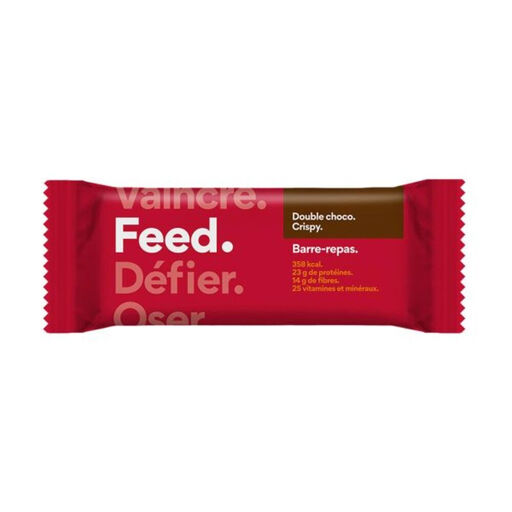 Image unavailable
This is a meal bar, so consider it for that purpose rather than as a direct substitute for an Easter confectionery bar. Compare fat, sugars and energy on the same basis, then check the ingredients if you’re putting together an assortment for several people.
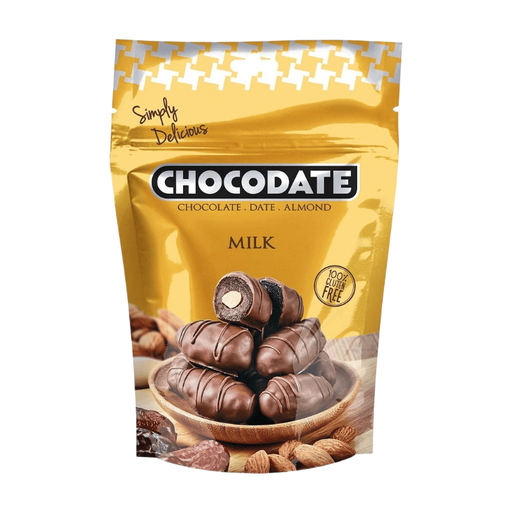 Image unavailable
This chocolate snack may be an option if you’re happy with a format that’s different from a traditional confectionery bar. If you’re choosing based on fat or sugars, check the nutrition information and ingredients list on the pack. Don’t rely on the claim about no added sugars without checking these details.
No. The levy known as the ‘soda tax’, as described by the French Ministry of the Economy, applies to sugary drinks, not chocolate bars. When choosing a bar, check its sugar content in the nutrition information.
No. In France, Santé publique France says that producers choose whether or not to display it. You should still check the nutrition declaration on pre-packed food, whether or not Nutri-Score appears on the pack.
Start by comparing their nutrition figures per 100 g, the basis recommended by the DGCCRF to make comparisons easier. Then check the weight of each bar and, where provided, the figures per portion.
No. The listing for the Gerblé gluten-free product featured by Carrefour France states that it contains 32 g of fat per 100 g. Check whether the bar is gluten-free and its nutrition figures separately.
Check the ingredients, declared allergens and ‘may contain’ warnings for each product, then keep the packaging accessible when handing out the bars. The Mars Protein and Gerblé listings featured by Carrefour France show that this information varies from product to product.