Hosts who are keeping an eye on fat
You’re looking for a lower-fat dessert for Christmas Eve. Compare the fat and saturated fat content per 100 g of cakes of the same type, rather than relying on how light they seem.


For Christmas Eve, compare the fat content per 100 g of cakes of the same type rather than relying on claims about sugar or palm oil. If a product is described as “reduced fat”, check its nutrition table too. Finally, check the allergens and the size of the portions you plan to serve.
You’re looking for a lower-fat dessert for Christmas Eve. Compare the fat and saturated fat content per 100 g of cakes of the same type, rather than relying on how light they seem.
If fat content is still your priority, check the amount in the nutrition information: “no added sugar” relates to a different criterion.
Before serving a cake to a guest with an allergy or intolerance, check the ingredients, highlighted allergens and any “may contain” warnings on the packaging of the exact product you’ve chosen.
For the relevant prepacked foods, the DGCCRF states that nutrition declarations are given per 100 g. This makes it possible to compare similar cakes before taking the portions you’ll actually serve into account.
| Criterion | What to check | Consumers concerned |
|---|---|---|
| Fat content | Fat and saturated fat per 100 g, comparing cakes of the same type. | I want to compare the fat content of two loaf cakes without letting portion size skew my choice; around 50% of consumers would put this verifiable reduction first. |
| Claims and portions | Sugars and fat in the nutrition table, followed by the weight of the portion you plan to serve. | For my festive dessert, a sugar claim or a small suggested portion doesn’t answer all my questions. Around 30% of consumers would prioritise checking the nutrition information and the portion served. |
| Ingredients and allergens | Highlighted allergens and any “may contain” warnings on the exact product. | If a guest needs to avoid certain ingredients, fat content alone isn’t enough to guide my choice; around 20% of consumers would prioritise suitability for their dietary needs. |
These claims relate to different things. Carrefour’s product page for Gerblé chocolate-filled cake with no added sugar lists 16 g of fat per 100 g.
To compare cakes on this basis, check the “fat” and “saturated fat” figures per 100 g.
This doesn’t tell you the total fat content. St Michel lists 26 g of fat per 100 g for its 500 g soft loaf cake, which is marketed as containing no palm oil.
Check the nutrition information for the product you’re interested in before comparing it with another loaf cake.
A slice of loaf cake and an individual cake may weigh different amounts, so their per-portion values aren’t a fair basis for comparison on their own.
First compare the values per 100 g, then check the weight of the portions you plan to serve.
A cake’s fat content may suit your needs, but that’s not enough if its ingredients aren’t suitable for one of your guests.
Check the ingredients list, highlighted allergens and any “may contain” warnings on the exact product packaging.
The brand’s range includes a 500 g soft loaf cake, designed for sharing.
Carrefour stocks a Gerblé chocolate-filled cake labelled “no added sugar”.
The retailer’s range includes assorted individual pastries.
LU makes biscuits and is also among the brands listed in E.Leclerc’s bakery section.
Its bakery section includes madeleines, loaf cakes and marble cakes.
This pack of three dorayaki can be considered as a dessert served in individual portions. To assess its fat content, compare it with other dorayaki on the same per-100 g basis; don’t assume it’s “reduced fat” just because it’s included in this selection.
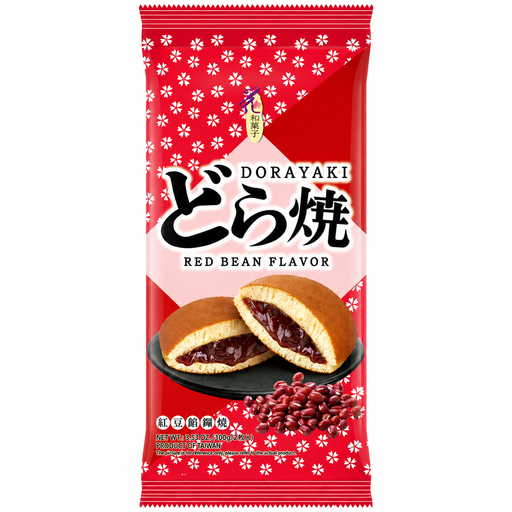 Image unavailable
The three pieces make it easy to serve individual portions on Christmas Eve, though the weight of each portion will depend on how you serve them.
Compare the fat content per 100 g with other dorayaki and check the saturated fat on the packaging. The product information lists wheat (gluten) and eggs: if a guest has an allergy or intolerance, check the ingredients and allergens on the product you receive.
No: added sugars and fat are two separate criteria. Carrefour lists 16 g of fat per 100 g for its Gerblé chocolate-filled cake with no added sugar, so check each of the figures you’re interested in separately.
If you’re choosing based on fat content, first compare cakes of the same type on a per-100 g basis. Then check the weight of each portion you plan to serve on Christmas Eve; per-portion values aren’t a substitute for comparing products on the same basis.
No. If displayed, the Nutri-Score doesn’t replace checking the fat and saturated fat figures in the cake’s nutrition information.
Check the ingredients and highlighted allergens on the packaging of the exact product, along with any “may contain” warnings. This is still necessary even if the fat content suits your needs.
No: it describes the recipe, not the total fat content. St Michel’s soft loaf cake, which is marketed as containing no palm oil, lists 26 g of fat per 100 g. Use the nutrition table to compare this product with other loaf cakes.