Anyone comparing fat content
You’re looking for a snack to enjoy during a film and want to compare the fat and saturated fat per 100 g in products of the same type.


To choose a lower-fat cake or biscuit to share while watching a film, first compare the fat and saturated fat per 100 g in products of the same type. Then check the sugar, salt, allergens and number of portions. A ‘reduced’ sugar claim or packaging designed for sharing doesn’t, on its own, tell you how much fat a product contains.
You’re looking for a snack to enjoy during a film and want to compare the fat and saturated fat per 100 g in products of the same type.
You don’t want to mistake a claim about reduced sugar for a reduction in fat. You also check the salt, ingredients and, if shown on the packaging, the Nutri-Score.
You want to plan how much to serve during the film and check the ingredients and any allergen warnings for your guests.
Start by comparing the nutrition information per 100 g for cakes or biscuits in the same category. Then check whether the pack is suitable for sharing and whether the ingredients are suitable for everyone who’ll be there.
| Criteria | What to check | Who it matters to |
|---|---|---|
| Fat | Compare the fat and saturated fat per 100 g in products of the same type. | If I’m mainly looking for a lower-fat biscuit for a film night, I want to compare similar recipes rather than rely on the word ‘reduced’. Around 42% of consumers would put this first. |
| Nutrition profile | Also check the sugar and salt per 100 g; read the ingredients list and look for the Nutri-Score, if shown. | I don’t want to choose based on fat alone if the other figures matter to me too. Around 25% of consumers would take this broader approach. |
| Sharing format | Check how many biscuits are in the pack, the stated number of portions and whether it contains individual packs. | When serving snacks during a film, I’d rather plan how much to put out than leave several packs open. Around 25% of consumers would prioritise this. |
| Allergens | Read the ingredients, listed allergens and any ‘may contain’ warnings on the pack you buy. | If a guest needs to avoid certain ingredients, I have to check the exact recipe before sharing the pack. Around 8% of consumers would make this their priority. |
A reduced biscuits section can include products with claims about different nutritional qualities, as Auchan’s selection shows. A claim about sugar doesn’t tell you how much fat a product contains.
Check what the claim refers to, then compare the fat, saturated fat, sugar and salt per 100 g.
Portion sizes can vary from one pack to another. They’re useful for planning how much to serve, but they don’t give you a like-for-like basis for comparing recipes.
First compare the figures per 100 g for similar products, then decide how many biscuits you want to serve.
St Michel says its Galettes au bon beurre contain no palm oil or hydrogenated fats, while declaring 16 g of fat per 100 g. These claims and the total fat content answer different questions.
If fat content is your main priority, check the nutrition declaration rather than drawing conclusions from an ingredient claim.
A biscuit that meets your nutritional criteria may contain an ingredient a guest needs to avoid, or carry a ‘may contain’ warning.
Check the pack you’ve bought before serving the biscuits, even if you’ve already looked at a product listing.
A brand to look at if you’re considering biscuits made with grains and seeds rather than a butter-based recipe.
Galettes au bon beurre are a useful point of comparison if the recipe and individual packs are important to your choice.
Its reduced biscuits section makes it easy to spot products with different nutrition claims.
Listings for some products let you check the ingredients and nutrition information before comparing similar biscuits.
A retailer where you can look at breakfast biscuits, distinguishing claims about sugar from those about fat.
These are dry, crunchy options for a film night rather than traditional cakes. If you’re specifically looking for a lower-fat cake or biscuit, compare the figures per 100 g with those of similar products before choosing.
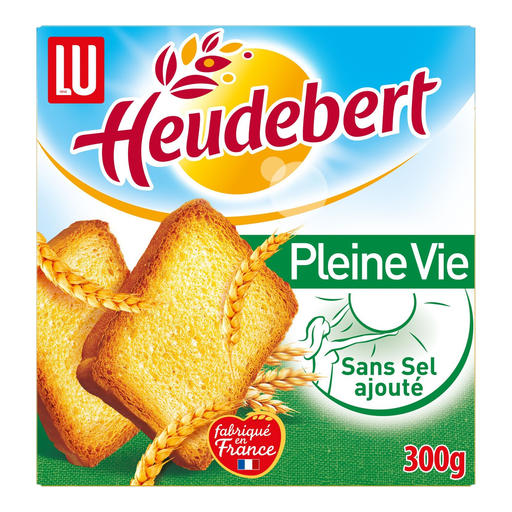 Image unavailable
Worth considering if a dry snack suits your film night: these are rusks, not cakes. Compare their nutrition information with that of other rusks, and check the packaging if you want to prepare individual portions.
The listing mentions gluten and possible traces of sesame. Check the label on the pack you buy if these allergens are a concern for your guests.
 Image unavailable
Worth considering if you’d like a crunchy snack rather than a traditional cake. The No Added Sugar claim is about sugar, so check the fat, saturated fat and salt per 100 g separately.
The listing states that the product contains gluten from wheat and barley. Check the packaging you buy for ingredients, allergens and the number of portions to serve.
Not necessarily: check which characteristic the claim refers to. If you’re comparing fat content, also check the fat and saturated fat per 100 g in biscuits of the same type.
Figures per 100 g give you a common basis for comparing similar biscuits, as explained in Your Europe’s guide to nutrition declarations. You can then use the per-portion figures to consider how much you plan to serve.
Compare the fat, saturated fat, sugar and salt per 100 g across biscuits in the same category. If a Nutri-Score is shown, it can help you assess the nutrition information, but it doesn’t replace the detailed figures that matter to your choice.
Read the ingredients, listed allergens and any ‘may contain’ warnings on the pack you’re about to serve. For example, the St Michel Galettes au bon beurre listing mentions wheat, milk and egg, as well as possible traces of nuts, sesame and soya. These details don’t apply to other biscuits.