You compare fat content first
You’d rather check the figures per 100 g than rely on the word ‘light’. Compare products intended for the same purpose, then check the rest of the nutritional information.


For a sweet bite with drinks, compare the fat content per 100 g of biscuits intended for the same purpose. Carrefour and Auchan product details show that their sponge finger biscuits are lower in fat than St Michel’s Galette au bon beurre. If you’re looking for something savoury instead, don’t apply this comparison to savoury biscuits. Check the sugar or salt content as appropriate, along with allergens and any practical considerations for serving food outdoors.
You’d rather check the figures per 100 g than rely on the word ‘light’. Compare products intended for the same purpose, then check the rest of the nutritional information.
You need to decide whether the biscuit will add a sweet touch or go with savoury nibbles. Sponge fingers and savoury biscuits serve different purposes.
You want to check the ingredients and allergens for each product, then keep the biscuits away from heat and moisture until you’re ready to serve them.
Choose these if: you want to serve something sweet and compare the fat content of biscuits intended for the same purpose.
Bear in mind: these aren’t savoury biscuits for drinks, and a lower fat content doesn’t mean they’re low in sugar.
Choose these if: you want a savoury snack to serve on its own or with a topping.
Bear in mind: not tasting sweet tells you nothing about the salt or saturated fat content, so compare the products you’re considering.
| What to compare | What to check | Who is this for? |
|---|---|---|
| Fat content | Compare the ‘fat’ figure per 100 g for products intended for the same purpose, then check the other nutritional values. | I want the declared fat content, not a claim on the packaging, to guide my choice. Around 39% of consumers would make fat content their main criterion. |
| Sweet or savoury | Decide what role the product will play on the table. For a savoury option, check the salt and saturated fat content too. | If I’m putting on a savoury spread, sponge fingers won’t meet the same need as savoury biscuits. Around 23% of consumers would prioritise how well a product suits the menu. |
| Ingredients and allergens | Read the ingredients list and allergen information on the packaging of the product you buy. | Before serving a group, I need to know whether the recipe is suitable for my guests. Around 23% of consumers would put this check first. |
| Sharing and storage | Check the number of packets and the storage instructions, especially if you’ll be serving them outdoors. | I’d rather open the biscuits as needed and be able to keep the rest in good condition. Around 15% of consumers would put pack size and storage first. |
A claim on the packaging is no substitute for checking the nutritional information. The DGCCRF reminds consumers that nutrition claims are regulated.
Compare the fat content per 100 g of similar products, then check the sugar, salt and ingredients too.
Savoury biscuits serve a different purpose from sponge fingers. In its 2026 survey of savoury biscuits, the CLCV draws particular attention to salt and saturated fat.
If you choose a savoury option, compare these values as well as the fat content on the packaging of the products you’re considering.
The sponge fingers mentioned here contain wheat and eggs. The Auchan Bio product details also mention possible traces of milk and mustard.
Check the information on the packet you’ve bought before offering the biscuits to your guests.
Heat and moisture can affect the texture of biscuits when you’re eating outdoors.
Open them as you go, and keep the remaining packets sealed, somewhere dry and away from heat.
A range of sponge fingers with product details that let you compare nutritional values and ingredients.
Auchan Bio’s sponge fingers come in two packets of five biscuits.
The brand offers both butter biscuits and savoury recipes, making it easy to distinguish between the two.
A biscuit brand to consider, depending on the type of product you want to serve.
A supermarket where you can compare the products available while you shop.
These two products serve different purposes: savoury cakes to prepare before serving, and wholemeal rusks to serve with a topping. To compare their fat content, check the nutritional information on each pack. Their inclusion here doesn’t mean they’re classed as ‘low fat’.
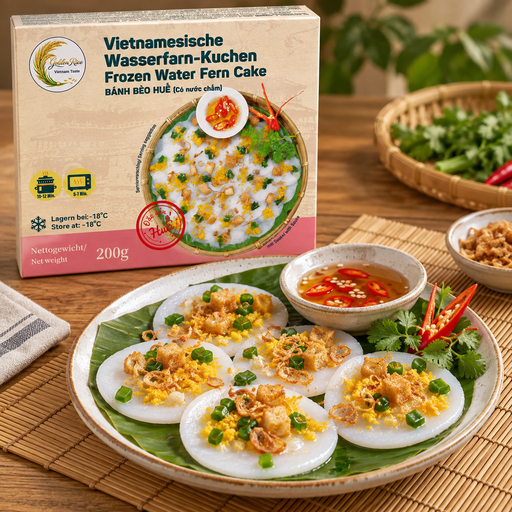 Image unavailable
If you’re serving these as a savoury bite with drinks, prepare them before your guests arrive. This frozen product must be stored at −18 °C or below and steamed before serving. Don’t refreeze after defrosting, and check the allergen information, particularly for fish and soya.
 Image unavailable
These rusks can be served without cooking alongside drinks and toppings. Keep the pack somewhere dry and reseal it after opening. Check the ingredients list if wheat or barley is a concern for any of your guests.
Compare their fat content per 100 g when they serve the same purpose. As a guide to the differences between products, Carrefour and Auchan state that their sponge fingers contain 1.5 g and 4.2 g per 100 g respectively, while St Michel states that its Galette au bon beurre contains 16 g per 100 g. These figures don’t tell you everything about their sugar content or other recipe characteristics.
No. The sponge fingers mentioned here are sweet and aren’t a like-for-like replacement for savoury biscuits. If you choose the latter, compare the salt and saturated fat content too. The CLCV highlights these factors in its 2026 survey of savoury biscuits.
Check the ingredients and allergen information on every pack you’re going to serve. The Carrefour and Auchan Bio sponge fingers mentioned here contain wheat and eggs. The Auchan Bio product details also mention possible traces of milk and mustard. Check the allergens for any other products separately.
Keep the packets sealed until you’re ready to serve, somewhere dry and away from heat. The Auchan Bio product details warn that the biscuits are sensitive to heat and moisture, while St Michel recommends storing its biscuits somewhere dry, away from heat and light. Always follow the instructions on the pack you’ve bought.