To prepare several meals while keeping sugar in check, sardines in spring water give you a blank canvas to season yourself. The Connétable products mentioned list 0 g of sugars per 100 g, but this figure doesn’t apply to all sardines in spring water. Choose the format to suit your recipe — whole, or skinless and boneless — and save sauces and marinades for dishes that work with their flavour. If you open a tin in advance, plan your portions in line with the storage instructions on the label.
Who are these options for?
For making several dishes from a neutral base
If you’d like to divide the sardines between meals with different seasonings, a recipe in spring water lets you choose your own sauce and herbs. Depending on the product, the Connétable and Pêche Océan product information lists 0 g or 0.5 g of sugars per 100 g. Check the label on each tin.
For making mixes without removing the skin or bones
For pâté, a filling or sardines flaked into pasta, the format can matter just as much as the seasoning. Connétable offers a product in spring water that is described as skinless and boneless. Check that this is stated on the tin you choose.
For using seasoning that’s already included
A tomato, lemon and basil, or chilli recipe may suit a dish if that flavour is already on the menu. Before planning several portions, compare its ingredients, sugars and salt with those of a recipe in spring water.
Which criteria should you compare?
When preparing several meals in advance, start with the flavour you want and the shape of the fish, then compare the “of which sugars” figures on the same 100 g basis. Sardines in spring water, skinless and boneless sardines, and marinated sardines can suit overlapping needs. Check each feature on the specific product you choose.
| Criteria |
What to check |
Who is this for? |
| Sugars and ingredients |
Compare “of which sugars” per 100 g on a like-for-like basis, then check the ingredients in any sauce. |
If I’m making several dishes with the same sardines, I want to decide what to add to each one myself. Having that control is the top priority for around 42% of consumers. |
| Fish format |
Look for the terms “fillets”, “boneless” and “skinless”. Also check how much usable fish you’ll have for your portions. |
When quickly adding sardines to different mixes, I’d rather not remove the skin or bones during preparation. Ease of preparation comes first for around 33% of consumers. |
| Seasoning |
Check the ingredients, salt and whether the recipe contains oil or chilli before choosing a sauce or marinade. |
If a dish already calls for tomato or lemon, I can use a seasoned tin and skip that step in the kitchen. An existing flavour is the main need for around 25% of consumers. |
Mistakes to avoid
-
Assuming “in spring water” always means 0 g of sugars
Connétable lists 0 g for the spring-water products mentioned, while Pêche Océan lists 0.5 g for its spring-water product.
Before buying several tins, compare the “of which sugars” figure per 100 g and check whether it applies to the whole product or the drained product.
-
Choosing a marinade just to save time
A sauce or marinade also adds its own seasoning. Depending on the product, the recipes mentioned by Connétable and Auchan contain sugar, vinegar or herbs. Their flavour won’t necessarily work with every dish you have planned.
Choose them for meals where that seasoning is welcome, and compare the ingredients, sugars and salt before stocking up.
-
Spreading an opened tin over too many days
Storage instructions after opening vary from tin to tin. The Saupiquet and Auchan products mentioned need to be refrigerated and eaten within two days.
Plan your portions based on the usable quantity, and follow the storage time and temperature shown on your tin’s label.
Portions prepared beyond this time may not be suitable for use as planned.
Brands to consider
These product range examples can help you compare recipes and formats. The figures given apply only to the specific products named.
Connétable
The range includes sardines in spring water, a skinless and boneless option, and a tomato recipe with no added oil.
- Connétable lists 0 g of sugars per 100 g for the spring-water products mentioned, including the skinless and boneless option.
- Its tomato recipe with no added oil lists 1.0 g of sugars per 100 g, so don’t assume the same figure applies to every recipe.
Saupiquet
The range lets you compare whole sardines, fillets and seasoned recipes to find the format you’re after.
- Saupiquet’s product information for whole sardines with chilli lists 0 g of sugars.
- This recipe contains chilli and other seasoning ingredients. Once opened, Saupiquet says to refrigerate it and eat it within two days.
Auchan
The products mentioned include sardines with lemon and basil, with no added oil, and a lemon, pepper and chilli marinade.
- Auchan lists less than 0.5 g of sugars per 100 g for each of these products.
- The ingredients for the lemon and basil version include sugar. Bear the storage instructions after opening in mind when preparing meals in advance.
E.Leclerc / Pêche Océan
The products mentioned let you compare whole sardines in spring water with an ECO+ tomato recipe.
- E.Leclerc lists 0.5 g of sugars and 0.6 g of salt per 100 g for Pêche Océan sardines in spring water.
- The ECO+ tomato recipe lists 0.8 g of sugars and 0.7 g of salt per 100 g. Check the exact product before comparing.
Carrefour Classic'
The range includes a lemon and basil sardine recipe for dishes that work with this seasoning.
- Carrefour’s published ingredients list specifies basil and natural lemon flavouring.
- It also lists sugar. Check the nutritional information on the tin you choose to see how much.
Sardines available on Joybuy
These tins include recipes with olive oil, lemon and tomato. To choose a base for several meals, consider the seasoning, the format shown and the nutritional information for the specific product.
 Image unavailable
CONNÉTABLE Sardines in Extra Virgin Olive Oil 140 g
Worth considering for dishes where olive oil works with the planned seasoning.
The stated pack size is 140 g. If you want to prepare portions without removing the skin or bones, check these details on the product before choosing.
View on Joybuy
 Image unavailable
El Tato Small Sardines in Olive Oil 16/20u 115/81g
The small sardine format may suit you if you’d like to divide them between several dishes.
The name gives the size as 16/20u and 115/81g. Olive oil is part of the recipe, so bear its flavour in mind when choosing other seasonings.
View on Joybuy
 Image unavailable
CONNÉTABLE Sardines in Extra Virgin Olive Oil 135 g
An option for meals where sardines in olive oil already fit the recipe.
The stated pack size is 135 g. To calculate your portions or avoid removing the bones, check the drained weight and fish format for the product you choose.
View on Joybuy
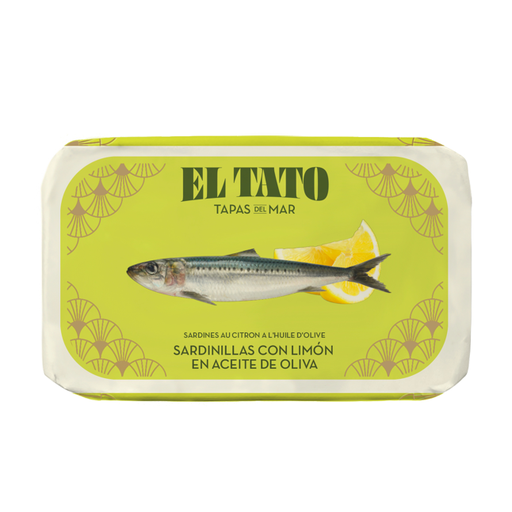 Image unavailable
EL TATO Small Sardines in Olive Oil and Lemon 16/20u 115/81g
Choose these for a dish where you want lemon, rather than as a base to season in several different ways.
The name gives the size as 16/20u and 115/81g. If you’re comparing them with another tin, check the “of which sugars” figure on a like-for-like basis.
View on Joybuy
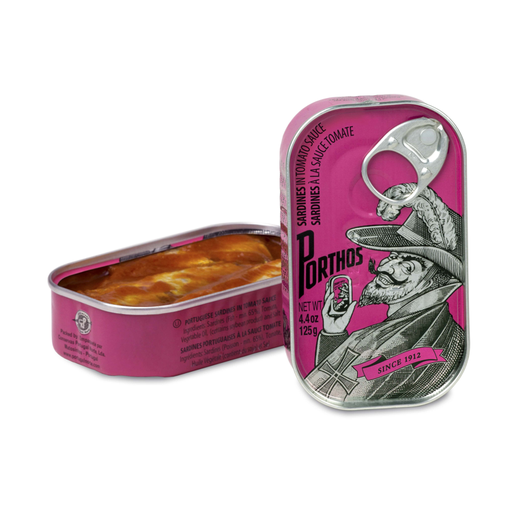 Image unavailable
PORTHOS Vintage Sardines in Tomato Sauce 112/81g
This recipe suits dishes that already call for tomato sauce.
The name gives the size as 112/81g. To compare its sugar content with sardines in spring water, check the figures per 100 g and the basis they refer to.
View on Joybuy
Frequently asked questions
Do sardines in spring water always contain 0 g of sugars?
No. It depends on the specific product. Connétable lists 0 g of sugars per 100 g for the spring-water products mentioned, while E.Leclerc lists 0.5 g per 100 g for Pêche Océan sardines in spring water. Compare figures on the same basis and check whether they refer to the drained or whole product.
Is the presence of sugar in the ingredients enough to rule out a recipe?
No. On its own, it doesn’t tell you the amount of sugars shown in the nutritional information. Connétable’s tomato recipe with no added oil lists sugar and contains 1.0 g of sugars per 100 g. Auchan’s lemon and basil recipe also lists sugar, but contains less than 0.5 g per 100 g. Compare the “of which sugars” figure, the ingredients and the seasoning that will work with your dish.
How long can you keep sardines after opening?
Follow the storage time and temperature shown on the tin you choose. The Saupiquet and Auchan products mentioned need to be refrigerated and eaten within two days of opening. Auchan specifies between 0 and +4 °C for its lemon, pepper and chilli marinade. Plan your portions accordingly rather than applying the same storage time to every tin.


