Anyone keeping an eye on sugar in recipes
You want to check the stated sugar content and spot any sugar in the ingredients before choosing a flavour for your sardines.


To choose sardines in your online grocery order while keeping an eye on sugar, compare the ‘of which sugars’ figure per 100 g and the ingredients list for each recipe. Some simple options show 0 g of sugars, while Carrefour Classic’ lemon and basil sardines contain added sugar. Also check the fat, salt and whether the sardines have bones, depending on how you plan to serve them, then confirm the ingredients on your supermarket’s product page.
You want to check the stated sugar content and spot any sugar in the ingredients before choosing a flavour for your sardines.
You’re planning to serve the sardines in a salad, on toast or with a starchy side, and want to choose between a simple recipe and one that’s already seasoned.
You’re looking for a tin that’s easier to serve straight away. Check the ‘boneless’ claim separately from the sugar information.
Start with the recipe and the sugar content per 100 g. Then compare the tins by oil, salt and how easy they are to serve, based on what matters for your meal.
| What to check | What to look for | Who is it for? |
|---|---|---|
| Sugars and ingredients | Compare the ‘of which sugars’ figure per 100 g and look for sugar in the ingredients list, particularly for flavoured recipes. | If I want to season my sardines myself and avoid choosing a recipe that contains sugar, I check the ingredients before adding a tin to my basket; around 42% of consumers would put checking sugar first. |
| Oil, salt and recipe | Compare the fat and salt per 100 g, as well as the liquid the sardines are packed in. | When I choose a sardine recipe in oil for its flavour, I also want to consider its nutritional content; around 33% of consumers would prioritise this trade-off. |
| Serving and bones | Check whether the sardines are boneless and look at the drained weight if you’re comparing how much fish you can serve. | When I’m quickly topping a piece of toast or making a salad, I prefer to know whether the sardines have bones and how much I’ll be able to serve. Convenience would come first for around 25% of consumers. |
An olive oil Connétable option listed by Auchan shows 0 g of sugars, but also contains 12 g of fat and 0.9 g of salt per 100 g. So sugar content alone doesn’t tell you everything about a tin.
Compare sugars, fat, salt and energy per 100 g, according to what matters to you.
The Carrefour Classic’ lemon and basil product page lists sugar in the ingredients and states 0.59 g of added sugars per 100 g.
Read the ingredients list and ‘of which sugars’ figure for the exact product, rather than relying on the recipe name.
Auchan says that the ingredients of some products may vary depending on the selected collection point and the date of purchase.
Before placing your order, check the ingredients and nutritional information shown for your store, then check the label when your shopping arrives.
How long a tin keeps after opening depends on the instructions for the product you buy. The Auchan product page for one Connétable tin says to refrigerate it and eat it within two days.
Follow the instructions on your tin and plan your meal accordingly.
Connétable offers olive oil sardines, including ‘Pêche du jour’ and boneless options listed by Auchan.
This range includes a lemon and basil sardine recipe listed by Carrefour.
Auchan offers olive oil sardines, as well as a recipe with sunflower oil and chilli.
Carrefour offers Saupiquet sardine fillets, including an oil-free lemon and basil recipe, in its boneless range.
These sardines in water or olive oil give you a choice of simple recipes, sizes and styles, including whole sardines and fillets. To choose based on sugar content, check the ingredients and nutritional information for the product you’re considering.
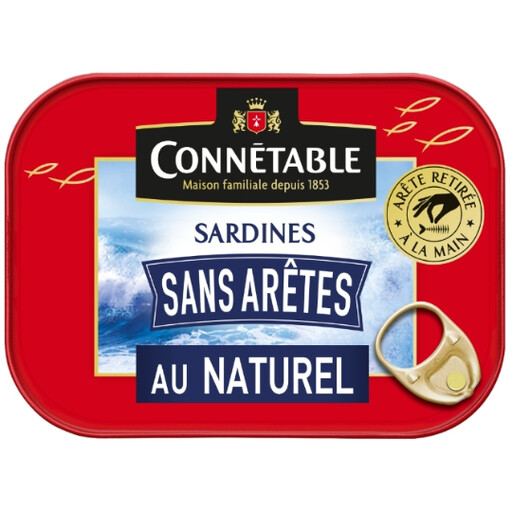 Image unavailable
For a quick meal with sardines in water, this 98 g tin offers a boneless option. Check the ingredients and the ‘of which sugars’ figure if this is important to you.
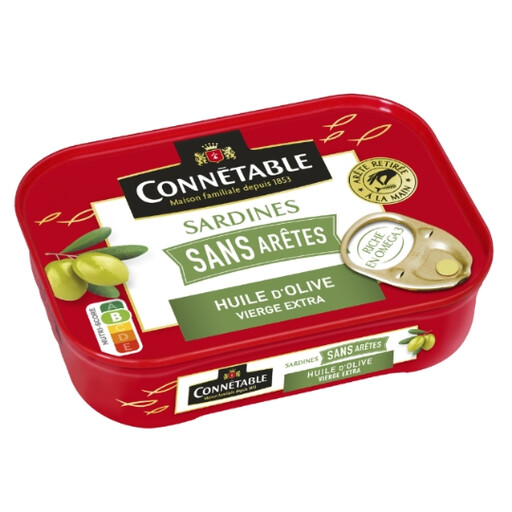 Image unavailable
If you prefer sardines in olive oil, compare this 140 g tin with your other options for sugars, fat and salt per 100 g.
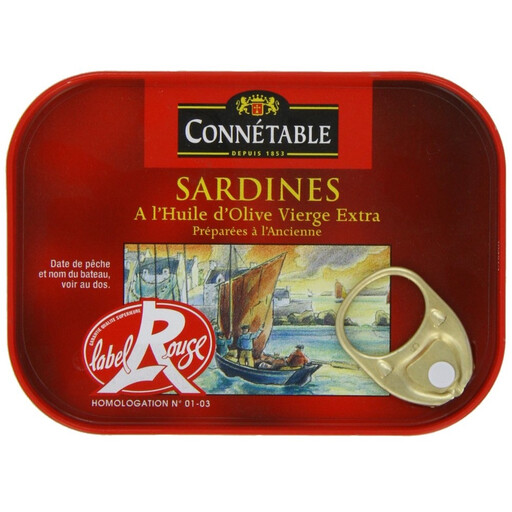 Image unavailable
If you’re looking for sardines in olive oil in a 135 g tin, compare its label with the 140 g tin. Don’t assume their nutritional values are the same.
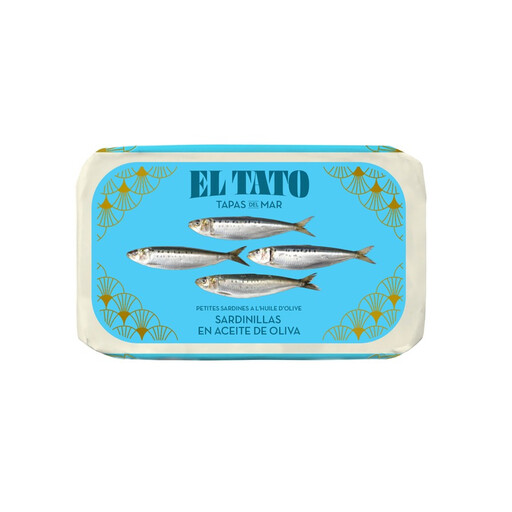 Image unavailable
If you’re interested in smaller sardines, note that this 16/20u option comes in a 115/81 g tin and is different from other sardines in olive oil. Also check the sugars and salt per 100 g.
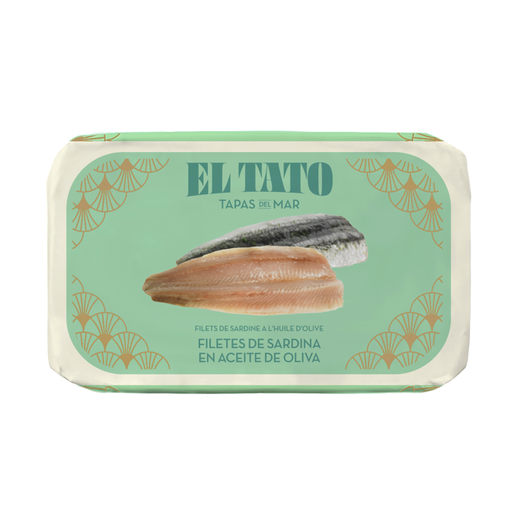 Image unavailable
If you’d rather serve fillets than whole sardines, this olive oil option comes in a 115/81 g tin. Read the ingredients and compare the nutritional values per 100 g.
No. ‘In natural juices’ describes a recipe, not a guaranteed nutritional value. One product listed by Carrefour shows 0 g of sugars per 100 g. Check the ‘of which sugars’ figure and the ingredients on the tin you choose.
Not necessarily: compare the exact recipe. Carrefour Classic’ lemon and basil sardines listed by Carrefour contain sugar and state 0.59 g of added sugars per 100 g. Check the ingredients and total sugar content to decide whether they meet your needs.
First, follow the instructions on the tin you’ve bought. A Connétable product page listed by Auchan says to refrigerate the sardines after opening and eat them within two days. Don’t assume the same guidance applies to another product.
Check the product name, ingredients, nutritional information, net quantity and date shown on the tin. The DGCCRF notes that this information is part of the labelling required for pre-packed food sold in France. Also check the allergen information.