Organisers mindful of added sugars
If you want to limit added sugars, compare the product category, ingredients and sugars per 100 ml. Juice with no added sugars still contains sugars that occur naturally in fruit.


For a village fête, first choose between fruit juice, nectar and fruit drinks by checking the product name and ingredients, then compare the ‘of which sugars’ figures per 100 ml. No added sugars does not mean a juice is sugar-free: make sure you also provide water and serve appropriate portions of juice.
If you want to limit added sugars, compare the product category, ingredients and sugars per 100 ml. Juice with no added sugars still contains sugars that occur naturally in fruit.
How much you need to serve, the size of the containers and storage instructions are just as important as the flavours you choose. Check the difference between not-from-concentrate juice, juice from concentrate and nectar before working out how much to buy.
If children are coming to the fête, make water easy to reach and serve small portions of juice. Manger Bouger recommends limiting fruit juice, whatever the type.
For a village fête, first check what each drink contains, then consider this alongside how much you need to serve and the storage requirements.
| Criteria | What to check | Who is this for? |
|---|---|---|
| Sugars and product category | Read the product name, ingredients and ‘of which sugars’ figures per 100 ml. Don’t confuse no added sugars with no sugars. | I want to limit added sugars without choosing a drink based solely on its front-of-pack claims. Around 36% of consumers would put this transparency first. |
| Volume and storage | Compare the pack sizes and product categories, then check whether bottles need to be kept chilled before or after opening. | I need to serve a group and store the containers as instructed. Around 29% of consumers would prioritise practical considerations. |
| Serving children | Make water easy to reach and choose an appropriate portion size for juice. Manger Bouger advises limiting juice for children. | Children will be at the fête, and I don’t want juice to replace water during the day. Around 21% of consumers would put this consideration first. |
| Flavours | Choose the fruit and whether or not it contains pulp to suit your guests’ likely preferences, but don’t assume this tells you anything about the sugar content. | I’d like to offer a range of flavours without assuming they have similar recipes. Around 14% of consumers would put variety first. |
The sugars naturally present in fruit remain in the juice. So this claim alone isn’t enough to compare two drinks.
Check the ‘of which sugars’ figures per 100 ml on each pack, and make sure water is among the drinks you offer.
Nectar and fruit juice are different product categories; their ingredients and fruit content can vary.
Read the product name and ingredients. For nectar, also check the stated fruit content.
Some chilled products need to be kept at a specific temperature: Carrefour says its Extra 3 Citrus juice should be stored between 0 °C and +6 °C.
Before choosing chilled juice, make sure you can follow the storage instructions on the pack during transport and at the fête.
The French National Agency for Medicines and Health Products Safety warns that grapefruit can interact with certain medicines.
Provide a drink that doesn’t contain grapefruit. Anyone concerned can check their medicine’s patient information leaflet and ask a pharmacist or doctor for advice.
Joker’s mixed fruit juices give you a chance to check the ingredients and declared sugars for each recipe.
Tropicana orange juices are worth comparing by pack size and whether or not they contain pulp.
Carrefour’s range lets you compare different juice recipes, including chilled products.
The retailer’s range lets you tell the difference between not-from-concentrate juice, juice from concentrate and nectar.
Auchan’s range includes its own not-from-concentrate juices alongside products from other brands.
Check Pampryl products individually, as juice, nectar and fruit drinks are different categories.
These mixed fruit juices and nectars in 1 to 1.5 L packs offer two ways to add variety to your drinks selection. For each product, compare the product name and sugars per 100 ml with the label on the item you buy.
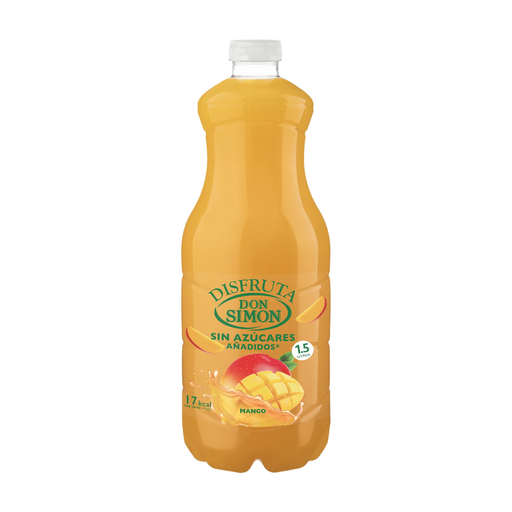 Image unavailable
A large-format mango nectar for serving a group. It isn’t pure juice, so check the ingredients and sugars listed on the pack before serving.
 Image unavailable
A 1.5 L mixed fruit juice for sharing. Compare its product name and sugars per 100 ml with the other juices you’re considering.
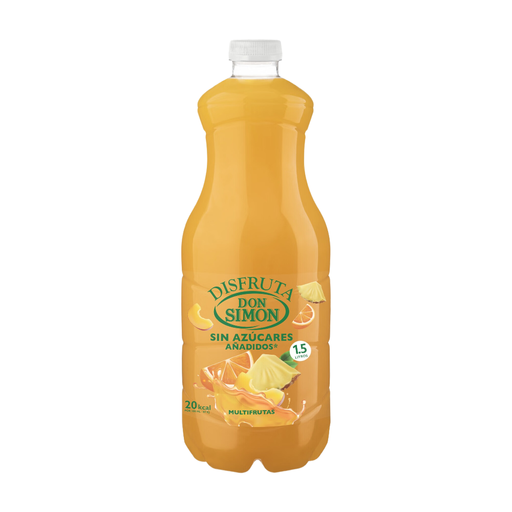 Image unavailable
A large-format mixed fruit nectar if you’d like to offer another flavour. Check the ingredients list and remember that it’s different from fruit juice when comparing products.
 Image unavailable
A 1 L pack if you’d rather open smaller containers. The variant name doesn’t replace checking the sugars per 100 ml or the instructions for use after opening.
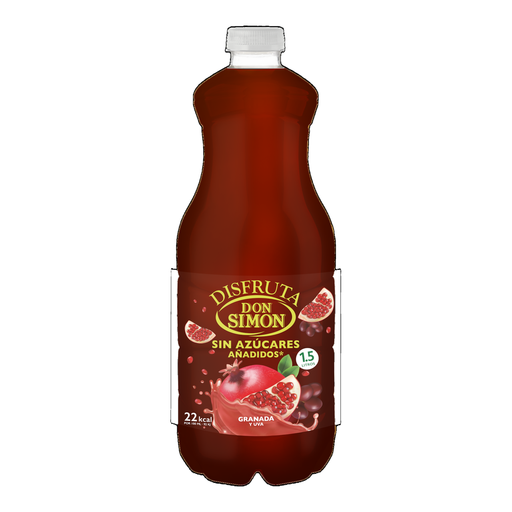 Image unavailable
A 1.5 L nectar to add pomegranate flavour to your selection. Check the exact ingredients: the product name doesn’t mean it’s pure pomegranate juice.
No. Sugars naturally present in fruit remain in the juice. To compare products, read the product name, ingredients and ‘of which sugars’ figures per 100 ml.
Start with the product names, as they belong to different categories. Then compare the ingredients and nutritional values per 100 ml, as well as the stated fruit content for nectar.
Make water easy to reach and limit portions of juice. Manger Bouger recommends that, if juice is served, children under 11 have no more than half a glass a day, and those over 11 no more than one glass a day.
Yes, for people taking certain medicines. The French National Agency for Medicines and Health Products Safety warns of possible interactions. Offer another drink and suggest that anyone concerned checks their patient information leaflet or speaks to a healthcare professional.