Bakers who measure out their ingredients
For homemade cake batter, cream or icing, cocoa powder lets you choose the other recipe ingredients separately, including the sugar and fat. However, it isn’t a like-for-like substitute for a chocolate bar.


Choose the format to suit its role in the recipe: cocoa powder lets you measure the ingredients separately, chocolate chips give you chocolate pieces, and a bar can be melted. If you’re looking for a product labelled ‘sugar-free’ or ‘no added sugar’, check the exact wording, the sugars per 100 g, the sweeteners and the allergens. Classic dark chocolate or a Christmas gift box may not meet those requirements.
For homemade cake batter, cream or icing, cocoa powder lets you choose the other recipe ingredients separately, including the sugar and fat. However, it isn’t a like-for-like substitute for a chocolate bar.
If you’re melting a chocolate bar or adding chocolate chips, check whether the packaging specifically says ‘sugar-free’ or ‘no added sugar’. Then check the sugars per 100 g, the sweeteners and the allergens.
When several guests will be eating the same bake, the ingredients, allergen information and warnings about polyols may matter more than the chocolate’s festive shape.
For Christmas baking, start with the role you want the chocolate to play, then compare the labels of products that suit your recipe. Gift boxes and classic dark chocolate are still options for their shapes or flavours, but the product category alone won’t tell you how much sugar they contain.
| What to check | Look for | Who is it for? |
|---|---|---|
| Claim and sugars | The exact wording on the packaging and the ‘of which sugars’ figure per 100 g; check the ingredients list for sugar and sweeteners. | When I’m looking to manage the sugar in a dessert, I want to compare specific claims rather than rely on the word ‘dark’. Around 42% of consumers put checking sugar content at the top of their list of needs. |
| Baking format | Powder to measure out, chocolate chips to stir in or a bar to melt; make sure the format suits the steps in your recipe. | If the cake needs to have chocolate pieces in it, powder won’t do the job; around 33% of consumers put finding a format that suits their recipe first. |
| Sharing and ingredients | Allergens, ‘may contain’ statements and, for products containing sweeteners, any polyols and warnings shown. | For a dessert to share, I need to know which ingredients my guests may be concerned about. Suitability for guests is the main concern for around 25% of consumers. |
These claims describe different things. Their use is governed by the European regulation on nutrition claims, so one claim shown on a product shouldn’t be substituted for the other.
Use the exact wording on the packaging, then check the sugars per 100 g and the ingredients list before choosing chocolate for your recipe.
Some products featured by Auchan contain maltitol; Sainte Lucie chocolate chips carry a warning about excessive consumption. So a sugar claim alone won’t tell you everything about the ingredients in a dessert to share.
Read the ingredients list, nutrition information and any warnings on the product you choose.
Powder to measure out, chocolate chips that stay in pieces and a bar made for melting all have different roles in a recipe.
Use the format specified in the recipe, or adjust the other ingredients before switching formats.
According to Santé publique France, displaying the Nutri-Score is voluntary. The absence of the logo doesn’t, on its own, tell you how the product compares.
Check the nutrition information per 100 g and the ingredients list. Use the Nutri-Score as additional information when it appears on the packaging.
Auchan features a dark chocolate bar labelled ‘no added sugar’ among its products.
Auchan features a 72% cocoa dark chocolate bar labelled ‘sugar-free’, among other products.
The brand offers dark chocolate chips designed for baking.
Worth considering for chocolate bars or festive chocolates, but check the ingredients of the product you choose rather than assuming it will be labelled ‘sugar-free’.
The retailer offers cocoa powder, chocolate chips and bars, with different uses and sugar claims.
These two products suit different uses in home baking: measuring out cocoa powder or choosing a dark chocolate bar for a recipe that calls for chocolate. Check the packaging against the specific requirements of your recipe.
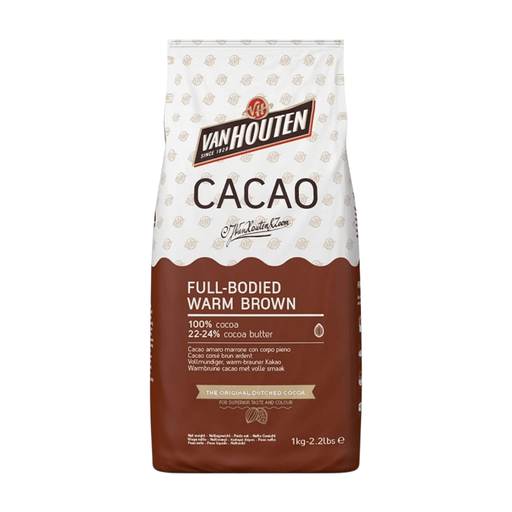 Image unavailable
This powdered format suits recipes where the cocoa and sugar are measured separately. The product title includes ‘14.7%’: check the packaging to see what this refers to before adjusting the quantities. Also check the exact sugar claim if it affects your choice.
 Image unavailable
This bar may suit a recipe that calls for dark chocolate to be melted; check how it works in the preparation you have in mind. It contains maltitol and carries a warning about excessive consumption. Read the exact wording on the packaging before describing it as ‘sugar-free’.
No. Article 1613 ter of the General Tax Code, published by Légifrance, covers drinks and liquid drink preparations under the conditions set out in that text, not solid chocolate bars, chips or gift boxes. When choosing these products, check their ingredients and nutrition information instead.
No. Santé publique France states that displaying the Nutri-Score is voluntary; it doesn’t replace the nutrition information required under the European regulation on the provision of food information to consumers. Compare the figures per 100 g even if the logo isn’t shown.
No. They are two distinct claims governed by the European regulation on nutrition claims. To compare two chocolates, note the exact wording on each, then check the ‘of which sugars’ figure per 100 g and the ingredients list.
No. Some products contain maltitol and carry a warning about excessive consumption; allergens and ‘may contain’ statements also vary from product to product. Before making a dessert to share, check the packaging of the product you’re using.
Choose according to the role the chocolate needs to play in the recipe: powder lets you measure the cocoa separately, chocolate chips add pieces, and a bar can be used when the chocolate needs to be melted. Don’t automatically swap one format for another, as you may need to adjust the other ingredients and the texture of the mixture.