
Livraison le jour même ou le lendemain

Qualité garantie

Débloquez vos offres de bienvenue: Livraison GRATUITE | Jusqu'à -80 % | 30 jours d'essai gratuits à JoyPlus
Téléchargez l'application
A kitchen staple, soy sauce is the secret ingredient for adding a kick and that famous umami flavour to our dishes. Its only drawback? Its high salt content, which is a real challenge for those who need to limit their intake for health reasons, for children's meals, or simply to stay in control of the seasoning.
So, how do you find that perfect bottle: a low-sodium soy sauce that doesn't compromise on taste? Don't worry, we're here to guide you. As the Head of the Kitchen & Home section at Joybuy, I break down the labels and brand promises for you to focus on what matters: practical advice to help you make the right choice, without the marketing fluff.
Before we get to our top picks, here are the key things to check to ensure you make the right choice.
The first thing to do is check the label. Look for the "Salt" line per 100 ml. A lower-salt soy sauce generally has 30% to 45% less sodium than its classic counterpart. A short, clear ingredient list (water, soybeans, wheat, salt) is often a hallmark of quality. Some contain sugars or preservatives: the choice is yours, depending on your preferences.
The taste of a soy sauce is directly linked to how it's made. Natural fermentation, a process that takes several months, develops complex aromas and a powerful umami that perfectly compensates for the lower salt content. This is a significant advantage, often highlighted by brands that favour this method for a healthy soy sauce that's rich in flavour.
Opting for a diet-friendly soy sauce or healthier cooking doesn't mean missing out.
For versatile, everyday use, a Japanese-style (shoyu) or a Chinese light, low-salt soy sauce remains a reliable choice.
Here are three products that caught our eye for their balance of flavour and composition.
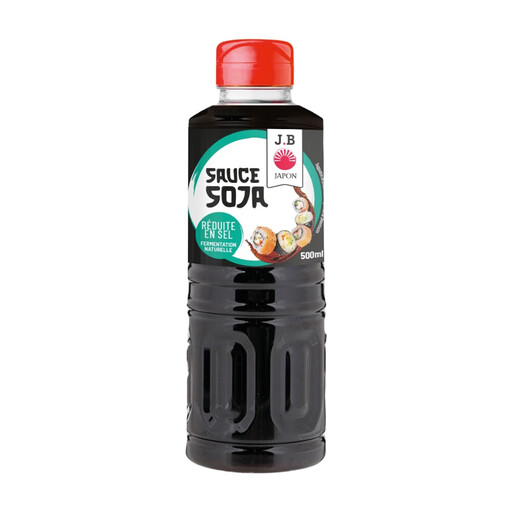
Why It Stands Out This soy sauce boasts a 35% salt reduction compared to classic versions, without sacrificing its rich aroma. Its recipe strikes the perfect balance between authentic umami and controlled saltiness, making it incredibly versatile. With 10.1 g of salt per 100 ml, it's an excellent candidate for daily use.
Key Strengths
Who It's For? For those who cook daily and are looking for a reliable and versatile reduced-salt soy sauce that works just as well in Asian dishes as it does in salad dressings.
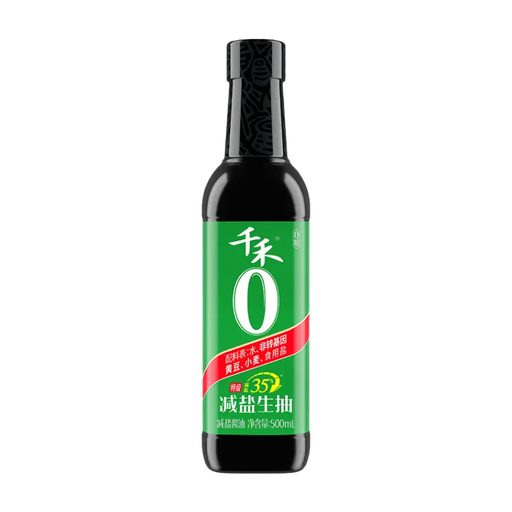
What Makes It Special The Qian He brand focuses on an impeccable ingredient list: water, non-GMO soybeans, wheat, salt, and sugar. That's it. The brand guarantees natural brewing with no added flavour enhancers, colourings, or preservatives. Its amino nitrogen content, which measures umami richness, is said to be higher than the standard for its category. Salt content: 11.5 g per 100 ml.
Key Strengths
Who It's For? For discerning consumers who want a low-salt soy sauce with simple ingredients and a traditional production process. The choice for authenticity without artificial additives.
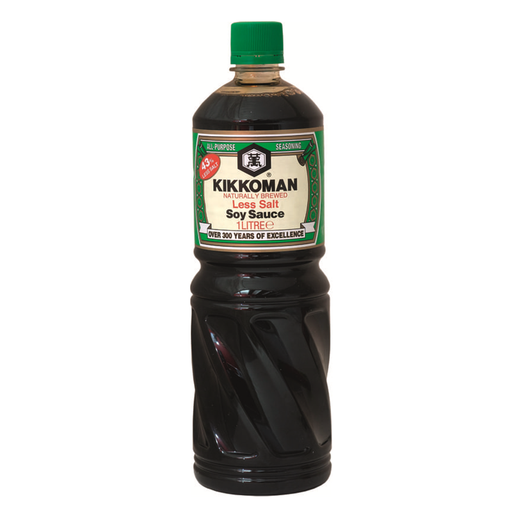
The Classic Choice Kikkoman is THE gold standard for Japanese soy sauce. This reduced-salt version, with only 9.1 g of salt per 100 ml, is one of the mildest in our selection. It benefits from the same natural fermentation process that made the brand famous, guaranteeing a complex and inimitable flavour. Its one-litre format is also a real bonus for families or heavy users.
Key Strengths
Who It's For? For die-hard fans of the Kikkoman flavour who are looking for a lighter version. It's also the smart choice for those who want one of the lowest-sodium options on the market in a large format.
Controlling your salt intake doesn't stop at soy sauce. If you want to discover other ways to enhance your dishes while staying in control, you'll love our selection of condiments and alternatives.
Discover our full range of table salt and other seasonings for flavourful, controlled cooking.
It's primarily a matter of sodium content. A reduced-salt soy sauce contains 30% to 45% less salt than the standard version from the same brand. This reduction is achieved through a specific post-fermentation process that removes some of the salt while striving to preserve the aromas.
The taste is very similar, but the salty sensation is obviously more subtle. The umami profile and the aromatic richness from fermentation are definitely there. Many people even find that the flavours of the dish stand out more because they are no longer masked by excess salt.
Exactly like a classic soy sauce! Use it in your marinades, vegetable stir-fries, and Asian-style dressings, or simply serve it as a dip for sushi, gyoza, and spring rolls. The only difference is that you have better control over the final saltiness of your dish.