Families keeping an eye on the salt in the whole meal
If you’re preparing the pasta, sauce and toppings, you can check the salt in each separately. Manger Bouger recommends, in particular, not adding too much salt to the cooking water.


You don’t need to look for a ‘reduced salt’ label first when making a lower-salt pasta dinner. Plain dried pasta with a low salt value on the label can be a good base for seasoning yourself. Compare the ‘salt’ value per 100 g, then factor in any salt added to the cooking water, sauce and toppings. For fresh and filled pasta, check each recipe individually.
If you’re preparing the pasta, sauce and toppings, you can check the salt in each separately. Manger Bouger recommends, in particular, not adding too much salt to the cooking water.
Plain or wholemeal dried pasta lets you choose the sauce separately. To give examples of specific products, Auchan lists less than 0.01 g of salt per 100 g for its spaghetti, while Barilla lists 0.013 g per 100 g for its wholemeal linguine.
Fresh or filled pasta can also be an option, as long as you compare the recipes. Lustucru Sélection lists 0.05 g of salt per 100 g for its tagliatelle and 0.906 g per 100 g for its fresh cheese ravioli.
Start by choosing a type of pasta and checking its salt content, then decide how to season the water, sauce and toppings. Each percentage below represents consumers who would put that need at the top of their list when choosing pasta for this dinner.
| Criteria | What to check | Which consumers? |
|---|---|---|
| Salt in the whole meal | The ‘salt’ value per 100 g, then the seasoning planned for the water, sauce and toppings. | When I’m preparing the whole dish, I want to make sure added salt doesn’t undo the benefit of choosing low-salt pasta; around 36% of consumers would prioritise the salt content of the whole meal. |
| A base you can customise | The salt per 100 g in plain or wholemeal dried pasta; fibre if you’re interested in wholemeal pasta. | I’d rather choose my own sauce than buy a ready-topped meal. This freedom would be the top priority for around 29% of consumers. |
| Quick preparation | The salt per 100 g and ingredients in the specific fresh or filled pasta, as well as the portion served. | If I’m short on time to prepare dinner, I’m looking for a quick option without overlooking its recipe; around 21% of consumers would put speed first. |
| Plant-based protein | The protein and salt values for the same product, as well as its ingredients list. | I’d like to include pasta containing wheat or pea protein in the meal, while keeping an eye on its salt content; around 14% of consumers would put this need first. |
The value shown on a pack of dried pasta doesn’t include the cooking water, sauce, cheese or other toppings.
Check these separately and taste the dish before adding salt at the table.
Barilla usually suggests adding 7 g of salt when cooking 100 g of its wholemeal linguine. This preparation advice doesn’t take your goal for the whole dinner into account; Manger Bouger recommends not adding too much salt to the cooking water.
Adjust the amount of salt you add to the water and season the sauce accordingly.
Their recipes can differ significantly. Lustucru Sélection lists 0.05 g of salt per 100 g for its fresh tagliatelle, compared with 0.906 g per 100 g for its fresh cheese ravioli.
Check the ‘salt’ value for each product rather than relying on the general ‘fresh pasta’ category.
Nutri-Score doesn’t replace the ‘salt’ value when that’s what’s guiding your choice. E.Leclerc notes that the score shown for Turini wholemeal spaghetti is based on an earlier calculation.
Check the nutritional information and ingredients on the pack you’re buying.
The values below relate to specific products. Recipes and salt content can vary within the same brand.
Its dried pasta range includes options that can be used as a base for a dinner seasoned at home.
The Les Protéinées range combines durum wheat, wheat protein and pea protein.
Its plain fresh pasta and filled pasta suit different kinds of meal preparation.
Its dried durum wheat semolina spaghetti provide a straightforward product to compare.
Turini wholemeal spaghetti are another option to season separately.
These Joybuy products are plain or wholemeal dried pasta to serve with a sauce chosen separately. For a lower-salt dinner, their shape and pack size don’t replace checking the ‘salt’ value on the pack or choosing how to season the dish.
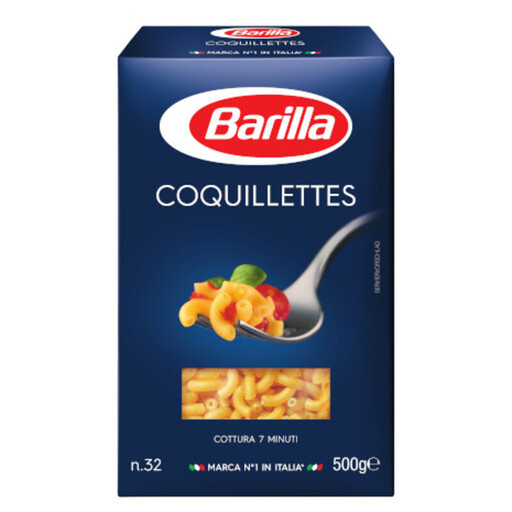 Image unavailable
These small pasta shapes are worth considering if you’d like to choose the sauce for dinner yourself.
500 g pack. Check the salt content on the packaging and adjust the seasoning in the water and accompaniments.
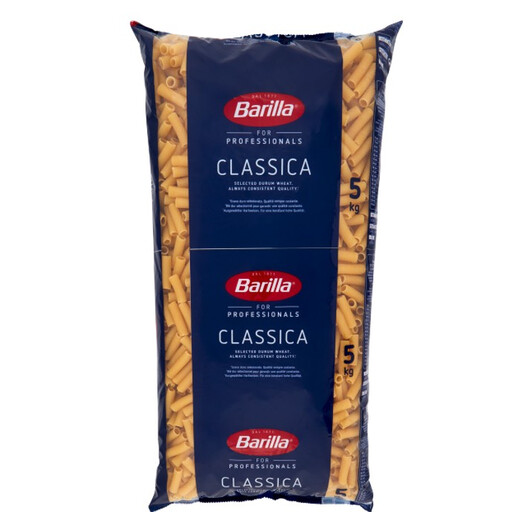 Image unavailable
These tortiglioni are suitable for meals where you choose the sauce separately.
The 5 kg pack means you’ll need to make room for storage. Check the ‘salt’ value on the pack and the seasoning in the dish.
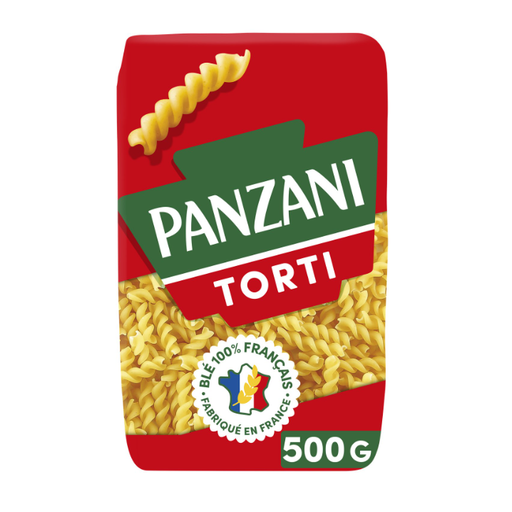 Image unavailable
These torti are another pasta shape to serve with a sauce chosen for your family meal.
500 g pack. Compare the salt listed on the packaging with that of other products you’re considering.
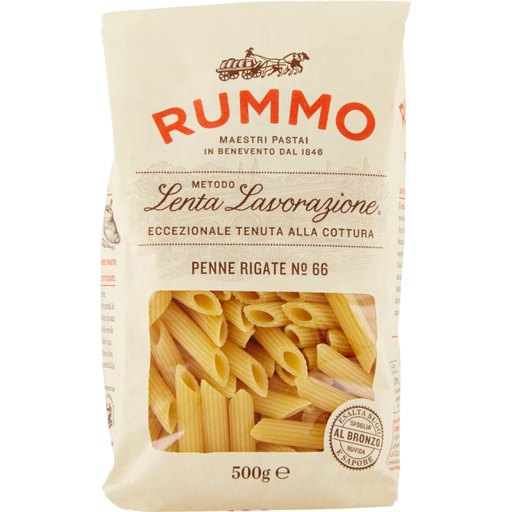 Image unavailable
These penne let you put together dinner with the accompaniment of your choice.
500 g pack. When comparing salt content, check that the values relate to pasta in the same state.
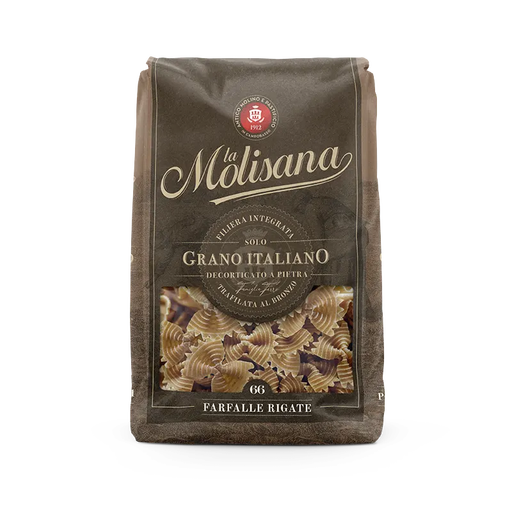 Image unavailable
These wholemeal farfalle are for households who want to choose wholemeal pasta and prepare the sauce separately.
500 g pack. Check the salt content on the packaging and adjust the amount in the cooking water to suit your goal for the meal.
Not necessarily. Some plain dried pasta is already low in salt, such as Auchan Spaghetti, which the retailer lists at less than 0.01 g per 100 g. Compare the ‘salt’ value of similar products and remember to consider the sauce, toppings and cooking water too.
No. On its own, it doesn’t tell you how much salt will be in the dinner you prepare. The DGCCRF notes that nutrition claims used in commercial communications are governed by European Regulation (EC) No 1924/2006. Also check the ‘salt’ value per 100 g and the ingredients of the specific product.
You can limit the salt added to the water: Manger Bouger recommends not adding too much. Then take the sauce and toppings into account, and taste the dish before adding more salt.
No. The specific recipe matters more than these broad categories. Lustucru Sélection lists 0.05 g of salt per 100 g for its fresh tagliatelle, compared with 0.906 g per 100 g for its fresh cheese ravioli. Check each pack before comparing.
Check the ingredients and allergens for the exact product, particularly with fresh and filled pasta, as recipes can differ. For example, Lustucru Sélection lists wheat and eggs in its 600 g Tagliatelles; don’t assume the same list applies to another product.