What should you look for?
For this dinner, start with the complete dish, then choose the pasta shape and pack size to suit the recipe and number of guests.
| Criteria |
What to check |
Who is it for? |
| Salt in the dish |
Compare the ‘salt’ per 100 g on the products you’re considering, then take the sauce, toppings and salt added during cooking into account. Distinguish between dried pasta and fresh or filled pasta. |
If I want to keep an eye on the salt in my dinner, the figures for the pasta alone aren’t enough: I also look at what I’m serving with it. This is a top priority for around 46% of consumers. |
| Sauce and serving |
Choose a shape to suit the sauce or bake, and check the cooking time on the packet. Panzani, for example, describes its macaroni as suitable for pasta bakes. |
When serving a sauce to several people, I look for a shape that suits my recipe and remember to check the seasoning. This is the top priority for around 36% of consumers. |
| Convenience and ingredients |
If you choose fresh or filled pasta, or a particular recipe, check the ingredients, allergens and salt content of the exact product. |
When I’m looking for a convenient option or a particular recipe, I want to know exactly what I’ll be serving my guests. Around 18% of consumers prioritise this. |
Dried pasta for dinner
These plain dried pasta shapes let you choose an option to suit your sauce, with a pack size to match your dinner. Check the seasoning, accompaniments and information on the packet you buy separately.
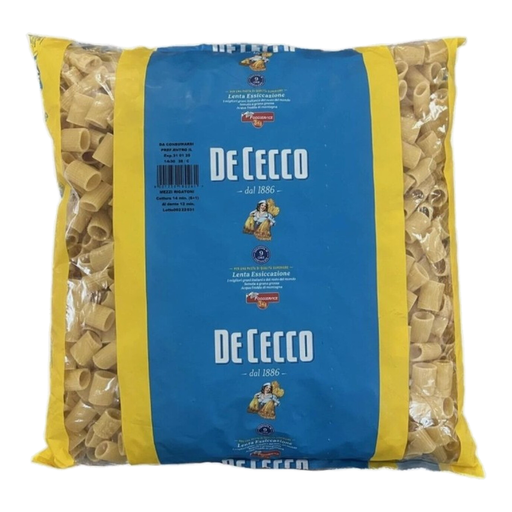 Image unavailable
De Cecco Mezzi Rigatoni, 3 kg
If you’re making mezzi rigatoni to share, check that the 3 kg pack is the right size for the amount you’re planning to cook.
Compare the salt listed on the packet with the salt in your accompaniments, and check the ingredients for any guests who need to avoid certain foods.
View on Joybuy
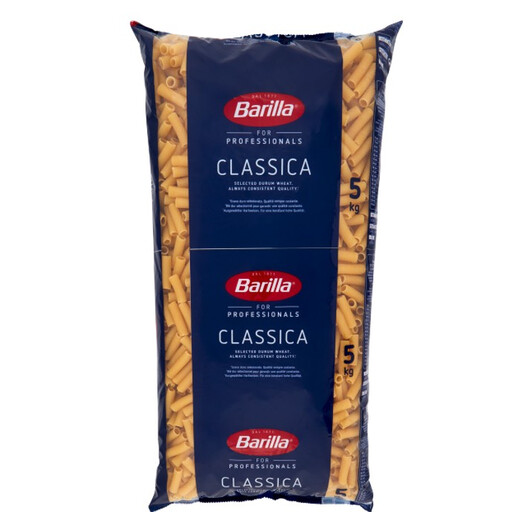 Image unavailable
Barilla Tortiglioni, 5 kg
If you’d like to serve tortiglioni, bear the 5 kg pack size in mind when deciding how much to cook.
Check the ‘salt’ line and allergen information on the packet, then consider the sauce you’re planning to serve.
View on Joybuy
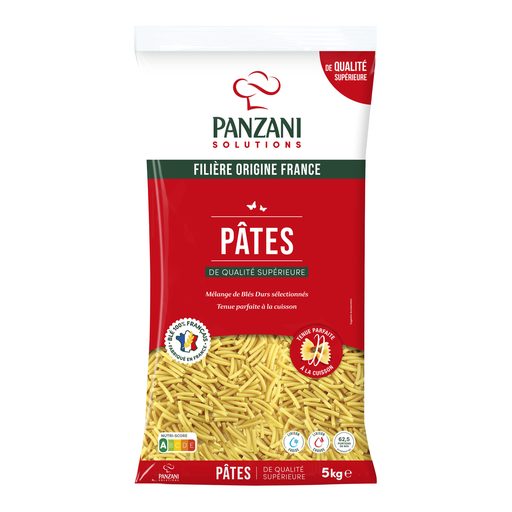 Image unavailable
Panzani Macaroni, 5 kg
Macaroni are worth considering if you’re making a pasta bake to share; Panzani recommends this shape for this type of dish.
The pack contains 5 kg of pasta. To work out the salt content of your bake, check the ingredients you’re adding, too.
View on Joybuy
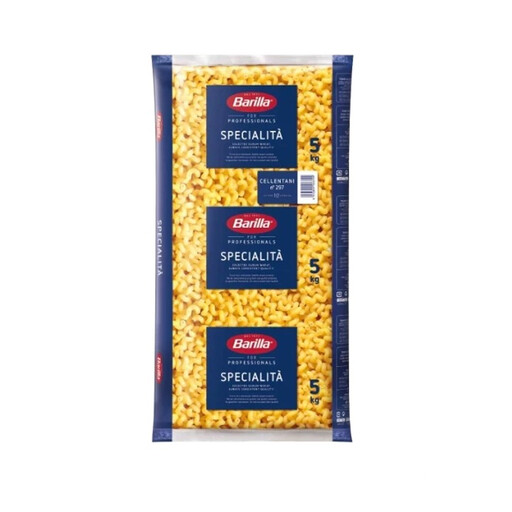 Image unavailable
Barilla Cellentani, 5 kg
Choose these cellentani if their shape suits the dish you’re planning to serve with a sauce.
The pack contains 5 kg of pasta, so plan how much to cook according to the number of guests, and check the label for salt and allergens.
View on Joybuy
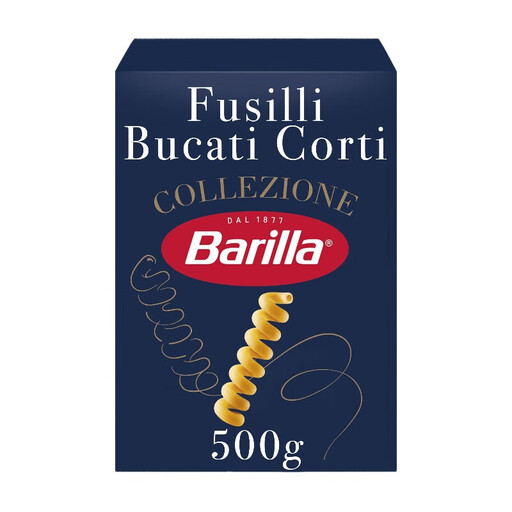 Image unavailable
Barilla Fusilli Bucati Corti, 500 g
This 500 g pack is a handy way to choose Fusilli Bucati Corti without buying one of the larger sizes featured here.
When preparing dinner, check the cooking time, ‘salt’ line and ingredients on the pack available.
View on Joybuy
Frequently asked questions
Should you buy pasta labelled ‘reduced salt’?
No, this label isn’t essential when comparing options for dinner. Check the ‘salt’ line on your chosen pasta, then on the sauce and toppings. Also take the salt added during preparation into account.
How can you flavour a sauce if you’re adding less salt to the dish?
You can use herbs, aromatics or spices in a homemade sauce. Manger Bouger recommends them to add variety to meals while limiting added salt.
Is a salt claim enough to help you choose pasta?
No. Check the nutritional information and ingredients list for the product you’re buying, too. A claim on the pasta won’t tell you how much salt is in the sauce or toppings you’ll serve with it.
What should you check if a guest needs to avoid certain ingredients?
Check the ingredients and allergen information on the exact packet before preparing the meal. For example, Lustucru Sélection’s fresh cheese ravioli product information lists milk and eggs, and warns that traces of soya and mustard may be present. Don’t assume the same ingredients apply to other types of pasta.
How should you store dried pasta after opening?
Reseal the packet and follow its storage instructions. For its spaghetti, Auchan recommends using an airtight container and keeping the product away from heat and moisture.


