
Livraison le jour même ou le lendemain

Qualité garantie

Débloquez vos offres de bienvenue: Livraison GRATUITE | Jusqu'à -80 % | 30 jours d'essai gratuits à JoyPlus
Téléchargez l'application
Whether you're a passionate mechanic or simply own a sports car or an SUV, choosing the right hydraulic jack is a critical step for the safety and efficiency of your maintenance. The low-profile 3-ton hydraulic jack is often praised for its versatility, but the market is flooded with models making misleading claims. To ensure you invest in a reliable and durable tool, it's crucial to know how to avoid the most common pitfalls.
Follow this guide to decipher technical specs and avoid rookie mistakes.
Marketing can sometimes make it hard to distinguish between quality equipment and a product that will fail you at the worst possible moment. Here are the three pitfalls you absolutely need to know.
To make an informed choice, forget the marketing slogans and focus on objective data. Here are the three points to scrutinize.
This is THE number one criterion for ensuring your jack's versatility.
On this point, there are no compromises. An EN 1494-certified jack is your best guarantee. This European standard certifies that the product has undergone stringent tests covering:
Your ease of use and efficiency depend directly on these two elements.
To illustrate these criteria in action, here is a selection of products that tick all the right boxes, each tailored to a specific user profile.
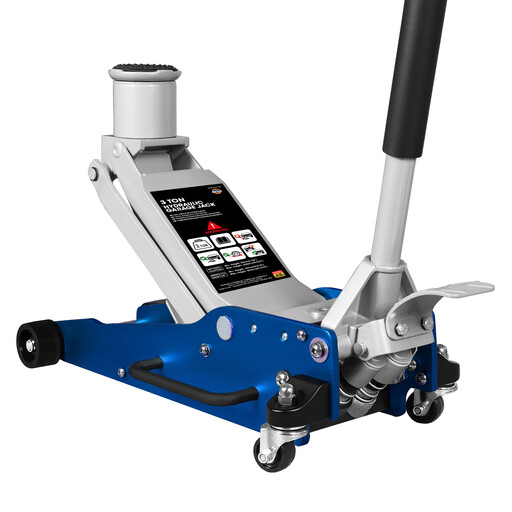
Why we chose it: Perfect for the user who switches between a sports car and an SUV. Its wide height range (with an extender) and 3-ton capacity make it the all-in-one solution for working on very different vehicles, without compromise.
It ticks all the boxes: a 3-ton capacity certified to EN 1494, a true low profile at 85 mm, and a dual-pump system for rapid lifting.
Its aluminium alloy body makes it lightweight and easy to move. Its strength: formidable versatility thanks to its height range and included extender, making it equally at home with lowered cars and large SUVs.
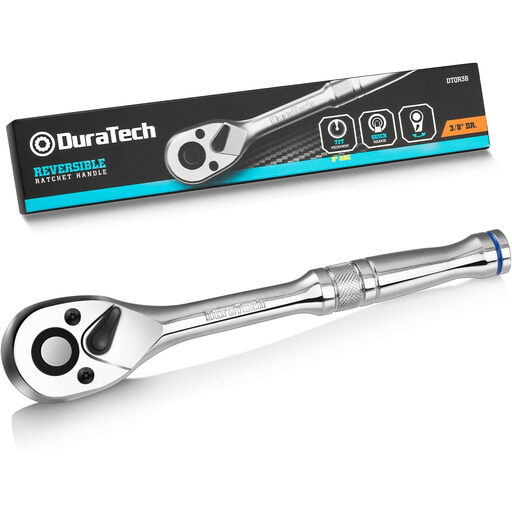
Why we chose it: Once the car is on jack stands, this is the ideal companion. It's designed for those who want to streamline their toolbox with a versatile and high-performance tool for both tightening and loosening.
No more hassle of buying and carrying three separate ratchet wrenches. Its 3-in-1 design (1/4", 3/8", 1/2") covers the vast majority of automotive mechanical needs.
Its 72-tooth mechanism allows for a swing arc of just 5°, ideal for working in the tightest spaces. The CR-MO steel head is a guarantee of longevity.
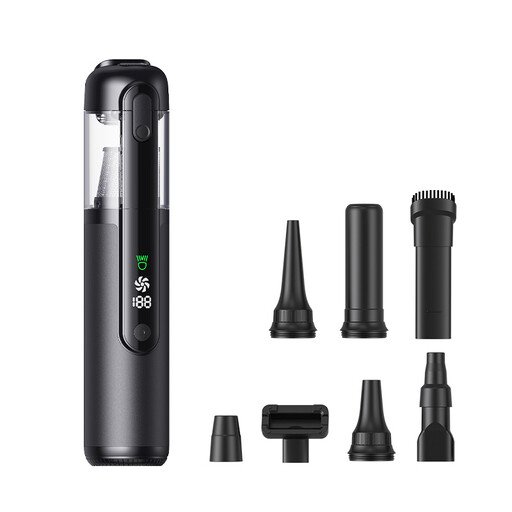
Why we chose it: For those who believe maintenance doesn't stop under the bonnet. After the hard work is done, this powerful, cordless vacuum ensures a spotless interior.
It knocks out weak and impractical car vacuums. Its 16,500 Pa suction power and blower function make it a true Swiss Army knife for cleaning.
120W brushless motor for lasting performance. Aluminium alloy body, dual speed, and a blower function for formidable cleaning versatility.
We have selected a full range of products for you that meet our quality criteria and current standards.
1. Is it absolutely necessary to use jack stands with a hydraulic jack? Yes, it's non-negotiable. A jack is a tool designed for lifting, not for holding a load. For your safety, once the vehicle is lifted, it must always be placed on jack stands rated for its weight before you perform any work.
2. Is an aluminium jack really as sturdy as a steel model? Absolutely. A quality aluminium alloy jack is designed to offer the same robustness and load capacity as a steel model, while meeting the same safety standards (like EN 1494). Its major advantage is its light weight, which makes it much easier to handle and transport, not to mention its complete immunity to rust.
3. Why choose a 3-ton jack for a car that weighs less than 2 tons? Even for a city car or a compact, opting for a 3-ton floor jack gives you a much more comfortable safety margin. The mechanism will work without ever being strained, which increases its lifespan and stability. It also gives you the flexibility to work on heavier vehicles (SUVs, vans) in the future. It's a smarter long-term investment.