People who strictly follow the ‘low fat’ criterion
You want to check a specific threshold rather than rely on a ‘light’ label. For liquid drinks, European Union Regulation (EC) No 1924/2006 sets this threshold at 1.5 g of fat per 100 ml.


To choose a low-fat soya drink, check that it contains no more than 1.5 g of fat per 100 ml. This is the threshold for making this claim about liquids under European Union Regulation (EC) No 1924/2006. A ‘sugar-free’ label alone doesn’t tell you whether it meets this criterion, so compare the sugar and protein content separately, and choose a format that suits your weekday mornings.
You want to check a specific threshold rather than rely on a ‘light’ label. For liquid drinks, European Union Regulation (EC) No 1924/2006 sets this threshold at 1.5 g of fat per 100 ml.
You pour soya drink over cereal or into coffee and are looking for a plain or sugar-free recipe. Sugar and fat content are two separate values to check.
You take into account the protein your drink provides at breakfast. Compare this value alongside sugar and fat for the same product: the protein content doesn’t tell you what the other values are.
For a soya drink for weekday mornings, start with the fat content per 100 ml if ‘low fat’ is a key criterion. Then compare the other values and choose a format that suits how you’ll use it.
| Criterion | What to check | Who is it for? |
|---|---|---|
| Fat | The total amount per 100 ml for the exact product: European Union Regulation (EC) No 1924/2006 sets a maximum of 1.5 g for the ‘low fat’ claim on liquids. | I want my morning drink to meet this specific criterion, even if I also like a plain recipe. Around 39% of consumers would put this threshold at the top of their list. |
| Sugars | The ‘of which sugars’ line and the ingredients list; check fat content separately. | In my bowl of cereal or coffee, I prefer to limit sugar without assuming that the drink is also low in fat. Around 23% of consumers would make this their priority. |
| Protein | The protein value on the nutrition table for the product you’ve chosen, alongside its fat and sugar content. | For my plant-based breakfast, I look first at the protein the drink provides while keeping an eye on the other values too. Around 23% of consumers would make this their main criterion. |
| Format and storage | The volume, instructions for use after opening and the date shown on the packaging. | I prepare several breakfasts during the week and want a container I can use as directed. Around 15% of consumers would put this need first. |
These labels relate to different values. According to Sojasun’s product information, its Boisson Soja Nature contains 0.1 g of sugars but 2.6 g of fat per 100 ml, so it exceeds the 1.5 g threshold for the latter claim.
If this threshold is your priority, check the ‘fat’ line per 100 ml first, then compare sugar separately.
Plain, sugar-free and sweetened versions can have different compositions. Bjorg lists 2.6 g of fat per 100 g for its unsweetened soya drink, compared with 2.2 g per 100 ml for its Soja Douceur version. Make sure you don’t confuse these units.
Check the exact recipe name, its nutrition table and its ingredients before choosing.
Soya drinks contain soya. In France, the Directorate-General for Competition, Consumer Affairs and Fraud Control reminds consumers that allergens in prepacked foods must be listed and highlighted on the label.
If you need to avoid soya, check the ingredients list for every product, especially when switching to a different recipe.
Instructions vary by product. The product information for Alpro 1 L Soya Plant-Based Drink says to refrigerate it after opening and consume it within five days.
Choose a volume that suits the number of breakfasts you have planned and follow the instructions on your packaging.
An opened carton that you can’t finish within the stated time may go to waste.
The values below apply to the named recipes, not every drink each brand offers. To check the regulatory threshold for liquids, look for a fat value per 100 ml on the product you’re considering.
Alpro 1 L Soya Plant-Based Drink lets you compare fat, sugar and protein on a single product page.
Bjorg’s unsweetened soya and Soja Douceur recipes show why it’s worth comparing each formula separately.
Sojasun’s Boisson Soja Nature lists values per 100 ml, making it useful for comparing breakfast criteria.
Carrefour Bio Organic Plain Soya Plant-Based Drink comes in a 1 L carton.
This soya drink in individual portions may suit weekday breakfasts. If low fat is essential for you, check its value per 100 ml before choosing it on that basis.
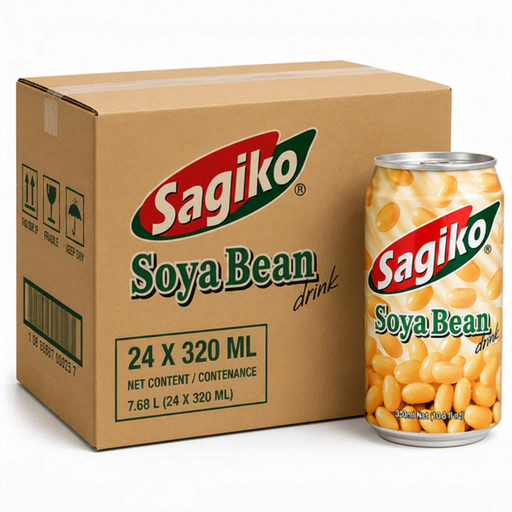 Image unavailable
An individual portion format to consider if you prepare your weekday breakfasts one serving at a time. The pack contains 24 drinks of 320 ml each. Compare the fat content per 100 ml, then check the sugars and ingredients for this product.
For a liquid drink, this claim means it contains no more than 1.5 g of fat per 100 ml, under European Union Regulation (EC) No 1924/2006. Check the ‘fat’ line for the exact product rather than relying on its name alone.
Not necessarily: sugar and fat need to be checked separately. According to Bjorg, its unsweetened soya drink contains less than 0.5 g of sugars and 2.6 g of fat per 100 g. To check the threshold for a liquid drink, use a value expressed per 100 ml.
Compare their nutrition values on the same basis, preferably per 100 ml for these drinks: fat, sugars and protein, depending on your priorities. The Directorate-General for Competition, Consumer Affairs and Fraud Control reminds consumers that nutrition information is given per 100 g or 100 ml. Check the unit before comparing two figures.
Check the ingredients list on every product before choosing it. In France, the Directorate-General for Competition, Consumer Affairs and Fraud Control says that allergens in prepacked foods must be listed and highlighted on the label.
No. Choosing a drink for breakfast doesn’t mean that consuming soya every day is suitable for everyone. The French Agency for Food, Environmental and Occupational Health & Safety (ANSES) has highlighted the risk that some consumers of soya-based foods may exceed the reference values for isoflavones. It recommends that these foods are avoided in meals served in collective catering, but this recommendation doesn’t set an individual amount for breakfast.