Runners looking for a low-fat plant-based option
You include a soya drink in meals or snacks during training and want to compare fat content, without relying on the drink alone for your race-day carbohydrates.


For meals and snacks during marathon training, choose a soya drink by comparing the fat, carbohydrate and ingredient information for the specific product. An unsweetened or low-sugar version won’t provide all the carbohydrates you need for race fuelling; a higher-protein version could be part of a post-exercise snack, alongside a separate source of carbohydrates.
You include a soya drink in meals or snacks during training and want to compare fat content, without relying on the drink alone for your race-day carbohydrates.
After a long run or between closely spaced sessions, you want to compare the protein per serving and plan the carbohydrates in your snack separately.
You prefer a short ingredient list or a no-added-sugar option, while checking for soya and reviewing the ingredients of the carton you buy.
First, decide whether the drink is for a meal, a post-exercise snack or your race-day fuelling. Then compare the nutritional information for the specific product: a low fat content alone doesn’t tell you how many carbohydrates it provides.
| What to consider | What to check | Who it matters to |
|---|---|---|
| Carbohydrates for race fuelling | Check the carbohydrates per 100 ml and per serving; plan separately for the fuelling you’ve already tested in training. | If I’m planning my marathon fuelling, I don’t want to rely on a low-sugar, unflavoured drink as my only source of carbohydrates. Around 36% of consumers would make this distinction their priority. |
| Fat | Compare fat content using the same quantity, then check the carbohydrates and ingredients too. | For my training snacks, I’m looking first and foremost for a soya drink with clearly stated fat content. This would be the top priority for around 29% of consumers. |
| Protein after exercise | Check the protein per serving you’ll actually have, and plan the other foods in your snack. | When I have two sessions close together, I want to compare the protein in my drink without forgetting the carbohydrates in my meal. Around 21% of consumers would put this use first. |
| Ingredients and allergens | Check the ingredients list and allergen information on the packaging of the version you choose. | If a short ingredient list or a dietary intolerance guides my purchase, I need to check the specific carton rather than relying only on the word “plant-based”. For around 14% of consumers, ingredients would come before other considerations. |
Auchan lists 0.4 g of carbohydrates per 100 ml for Sojasun Nature, while Bjorg lists 0.7 g per 100 g for its Soja Sans Sucres Bio drink. These products alone won’t provide the carbohydrates needed for a long race.
Use them as part of a meal or snack, and plan separately for the fuelling and hydration you’ve tested in training.
A soya drink still contains soya, even if it’s labelled “lactose-free”.
Check the ingredients and allergen information on the packaging you buy, especially if you switch to a different recipe or pack size.
The protein listed on a drink doesn’t tell you how many carbohydrates are in your whole snack. A review of recovery after endurance exercise published by the National Library of Medicine treats carbohydrate and protein intake as complementary.
Compare the serving of the drink you’re considering, then choose the rest of your meal or snack to suit your needs and what you can tolerate.
These examples relate to specific drinks: the nutritional information for one product doesn’t apply to a brand’s entire range. Also check whether the values are given per 100 ml or per 100 g before comparing labels.
Auchan’s product listing describes the 1 L Sojasun Nature drink as low in fat and with no added sugars.
According to Bjorg, its 1 L Soja Sans Sucres Bio drink is made with water and organic soya beans.
Alpro offers a standard soya drink as well as a Soya Protein Original version; their nutritional profiles shouldn’t be confused.
The 1 L Soja Nature Bio drink is worth considering if a short ingredient list matters to you.
These soya drinks suit different uses alongside meals and snacks during training. Compare their ingredients before buying; their inclusion here doesn’t mean they can replace a marathon fuelling plan on their own.
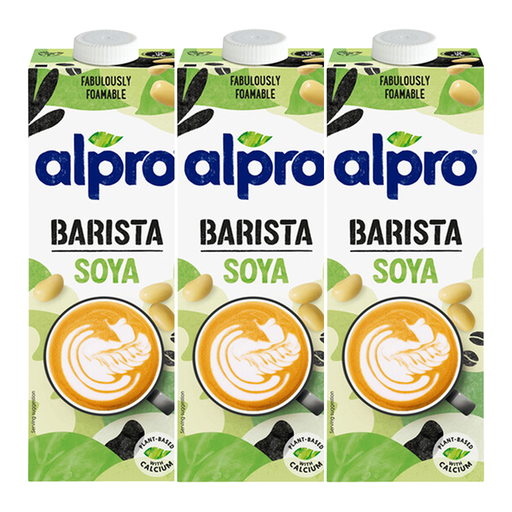 Image unavailable
If you’re looking for a soya drink to have with meals during training, compare its nutritional information with the other products you’re considering.
The product name indicates a pack of three 1 L cartons. The Barista name alone doesn’t tell you whether it’s suitable for race fuelling.
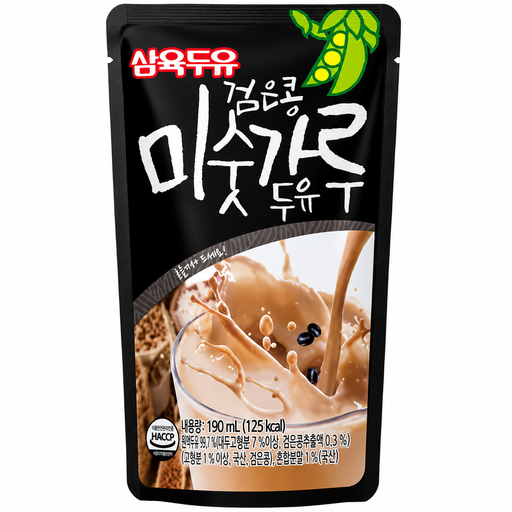 Image unavailable
If you’re considering this drink as a snack, check its carbohydrates and sugars per serving before deciding how it fits into your training diet.
The name indicates a 190 ml pack and a recipe combining soya, black beans and grains. Check the ingredients list and allergen information on the product you buy.
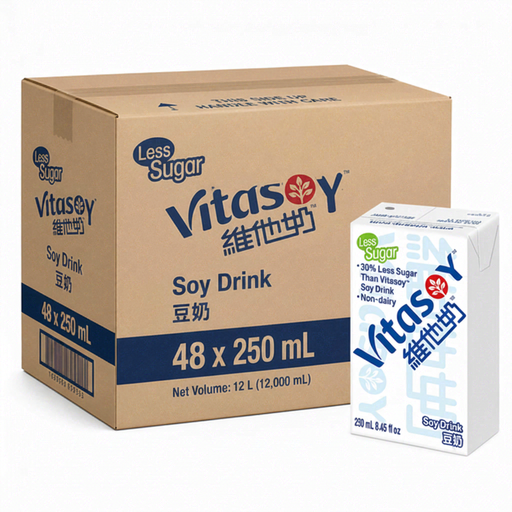 Image unavailable
If you’re adding a soya drink to breakfast or a snack, compare the sugars and fat on the label rather than relying on the recipe name alone.
Before choosing this product for a particular use, also check the protein content and the number of cartons shown on the packaging.
No. A low-fat drink on its own doesn’t make a fuelling plan. Auchan lists 0.4 g of carbohydrates per 100 ml for Sojasun Nature, while Bjorg lists 0.7 g per 100 g for Soja Sans Sucres Bio. Plan separately for the food and drinks you’ve tested in training.
Compare them if you want to include protein in a meal or post-exercise snack, while remembering the other foods that provide carbohydrates. Carrefour’s listing for Alpro Soya Protein Original states 10 g of protein per 200 ml; this figure applies to that specific product and serving size.
No: “lactose-free” doesn’t mean “soya-free”. If you have a soya allergy, check the ingredients and allergen information for the specific product before consuming it.