Organisers keeping an eye on fat content
You want to check the figure per 100 g for each product, rather than relying on the word ‘light’ alone. For solid foods, EU rules set a maximum of 3 g of fat per 100 g for a low-fat claim.


If keeping fat content low is a priority for your wedding buffet, compare the figures per 100 g for the exact sorbet you plan to serve. Under EU rules, a solid food must contain no more than 3 g of fat per 100 g to carry a low-fat claim. Ice lolly sticks and individual desserts save you the effort of serving portions, while a tub lets you adjust portion sizes if someone is available to serve it. Whichever format you choose, check sugars and allergens separately, then plan how to transport the desserts and keep them cold.
You want to check the figure per 100 g for each product, rather than relying on the word ‘light’ alone. For solid foods, EU rules set a maximum of 3 g of fat per 100 g for a low-fat claim.
You’re looking for portions that are easy to hand out and count. Ice lolly sticks and individual portions take less preparation than sorbet tubs, as long as you plan to replenish them from the freezer.
You’ll need to check the ingredients and ‘may contain’ statements on each pack. Product information for Picard, ESKISS and Chef Dessert sorbets lists possible traces that vary from one product to another.
First, choose a product whose fat content meets your requirements, then pick a format that suits the way you plan to serve it. Check sugars, allergens and available freezer space separately.
| What to check | Look for | Who this matters to |
|---|---|---|
| Fat content | Check the figure per 100 g for the exact flavour, and the ‘of which sugars’ figure separately. For solid foods, the EU limit for a low-fat claim is 3 g per 100 g. | I want to check that the dessert being served is low in fat, without assuming it’s also low in sugar; around 36% of consumers make this their top priority. |
| Portions and serving | Compare the number of pieces or the pack weight, then plan what equipment you’ll need if you choose a tub. | For a self-service buffet, I’d rather count out portions than serve them into dishes; serving is the top priority for around 29% of consumers. |
| Allergens | Check the ingredients and ‘may contain’ statements on the packs you buy, and prepare the information you’ll need to share with guests. | If I need to provide information for guests with allergies, I want to know the exact ingredients in each product; around 21% of consumers prioritise this. |
| Keeping desserts cold | Check the storage instructions, freezer capacity and how you’ll replenish the buffet. | If transport and storage are difficult to organise, I need to make sure the desserts stay cold until they’re served; this is the main concern for around 14% of consumers. |
These two figures appear on separate lines in the nutrition information. For example, Picard lists 0.5 g of fat and 22 g of sugars per 100 g for its lemon sorbet.
For each flavour you’re considering, compare the fat and sugar figures per 100 g. Don’t assume one tells you anything about the other.
A tub lets you adjust portion sizes, but you’ll need someone available to serve it and a replenishment plan that minimises time out of the freezer. The DGCCRF warns that a rise in temperature speeds up microbial growth.
Check the venue’s freezer capacity and plan to replenish the buffet in small batches.
Depending on how you plan to serve the sorbet, you’ll also need to allow for insulated bags, dishes, spoons and time to serve it.
Product information for Picard, ESKISS and Chef Dessert products mentions possible traces of allergens, which vary from one product to another.
Keep the packaging so you can share the exact allergen information, and use separate utensils where needed. Don’t describe a product as suitable for someone with an allergy based on its category alone.
The instructions for the Picard and Chef Dessert products reviewed say not to refreeze them once thawed.
Only take out the quantities needed for the next top-up, and follow the storage instructions on each pack.
These examples show a range of sorbet formats. The nutrition figures and allergen information apply to the specific products mentioned, not to every product from each brand.
Picard offers a tub of lemon sorbet, as well as lemon, lime and ginger ice lolly sticks.
Carrefour EXTRA lemon sorbet comes in a tub, ready to be served in dishes.
ESKISS lime sorbet is available in a 650 g tub.
Chef Dessert’s frozen lemons are individual sorbets served in a lemon shell.
The ice lolly sticks below are handy for serving individually. Before planning buffet portions, check how the Maison de la Glace sorbets are packed. For each product, check the nutrition information, allergens and storage instructions on the pack you buy.
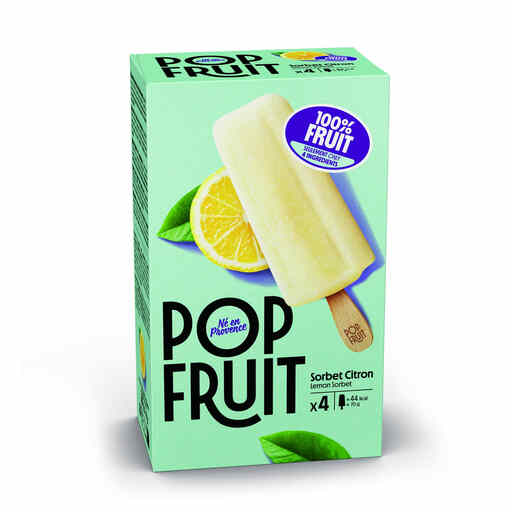 Image unavailable
Serve lemon sorbet individually without having to portion it into dishes. Check the allergen information on the pack; store at −18 °C and do not refreeze once thawed.
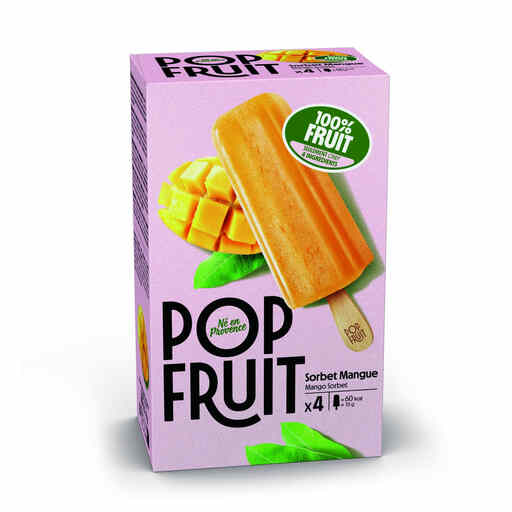 Image unavailable
Serve individual portions of mango sorbet. Check the allergen information on the pack and keep the sticks at −18 °C until serving; do not refreeze once thawed.
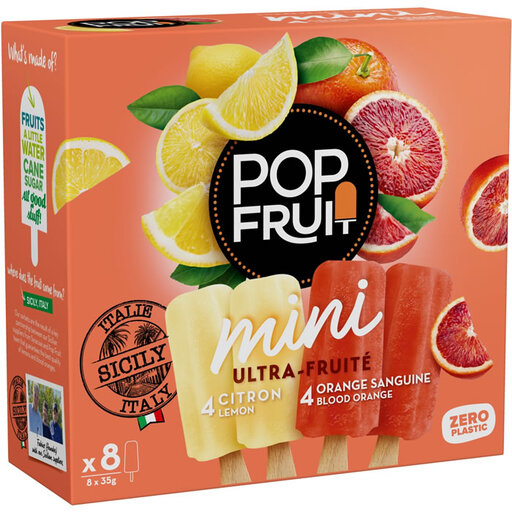 Image unavailable
Handy for counting out small individual portions and offering a choice of two flavours: lemon and blood orange. Check the allergen information for the assortment; store at −18 °C and do not refreeze once thawed.
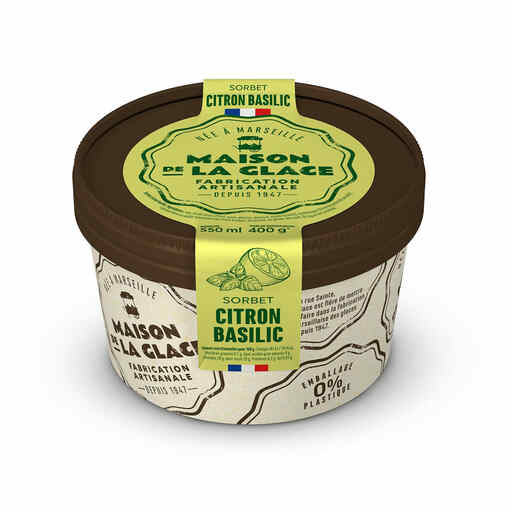 Image unavailable
If you’re adding lemon and basil sorbet to the buffet, check the pack size and number of portions before planning how to serve it. Check the allergen information and store at −18 °C; do not refreeze once thawed.
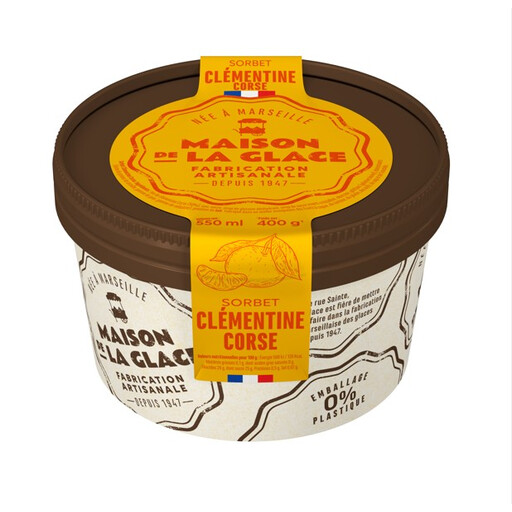 Image unavailable
Add a clementine flavour to your buffet. Check the pack size and number of portions before planning how to serve it. Check the allergen information on the pack and store the sorbet at −18 °C.
For solid foods, EU rules on nutrition claims set a maximum of 3 g of fat per 100 g for a low-fat claim or similar wording. Check the figure for the product and flavour you’ve chosen: the word ‘light’ alone doesn’t confirm that it meets this requirement.
No. Picard lists 0.5 g of fat and 22 g of sugars per 100 g for its lemon sorbet. Its lemon, lime and ginger ice lolly sticks contain less than 0.5 g of fat and 19 g of sugars per 100 g. Compare both figures in the nutrition information.
Follow the instructions for each product. The product information for Chef Dessert’s frozen lemons recommends taking them out 10 minutes before eating. This timing may not apply to tubs or ice lolly sticks from other brands.
Don’t refreeze a thawed product if the packaging says not to, as the Picard and Chef Dessert product information cited here advises. The DGCCRF warns that a rise in temperature speeds up microbial growth, so keep your stock cold and replenish the buffet in small batches.
No. Ingredients and ‘may contain’ statements vary by product; information for Picard, ESKISS and Chef Dessert products, for example, lists possible traces of allergens. Check the packaging of the product you actually buy, and plan how to prevent cross-contamination before sharing the information with your guests.