If you’re looking for 500 g of pasta for a low-fat meal, start by comparing the nutrition information per 100 g for the dry pasta. The classic spaghetti from Auchan, Carrefour and Lustucru, for example, contain between 1.5 and 1.9 g of fat per 100 g. Wholemeal pasta may suit you if you’re looking to increase your fibre intake, but it isn’t automatically lower in fat. The sauce and any extras also affect the finished dish.
Who is this choice for?
For anyone who checks the fat content first
You want to choose a 500 g pack by checking the fat content per 100 g, then take the planned sauce into account. The product information from Auchan, Carrefour and Lustucru shows why it’s important to compare specific products rather than just pasta shapes.
For anyone who enjoys wholemeal pasta
Fibre and texture matter to you, too. The information published by Barilla and E.Leclerc for their wholemeal penne lets you compare these factors without assuming that “whole wheat” means lower in fat.
For anyone who builds their meal around a sauce
You’re looking for a 500 g pack and a shape that suits your recipe, while keeping an eye on the seasoning. If you have allergies, the ingredients in your chosen pack matter, too.
What should you look for?
When planning a meal with a 500 g pack of pasta, start with the nutrition information for the dry pasta. Then choose between classic and wholemeal varieties according to your preferences and the recipe you have in mind.
| What to compare |
What to check |
Who is it for? |
| Declared fat content |
Compare the fat and saturated fat per 100 g of dry pasta on the 500 g pack you’re considering. |
If I want to compare packs before preparing a meal, the value shown on each one is my first consideration. Around 42% of consumers also prioritise the declared fat content. |
| Sauce and seasoning |
Choose a shape that suits your planned sauce, and measure out any oil, cream or cheese separately. |
For me, it’s mainly the amount of seasoning that changes the finished dish, so I want to be able to control it. Meal preparation comes first for around 33% of consumers. |
| Fibre and texture |
Check the fibre and fat per 100 g; don’t assume that “wholemeal” means a lower fat content. |
I’m considering wholemeal pasta for its fibre, as long as I like the texture and can compare the fat content. Around 25% of consumers prioritise this balance. |
Mistakes to avoid
-
Judging the whole meal by the pasta’s nutrition information alone
The fat content declared for dry pasta doesn’t include the fat in cream sauce, cheese or oil added afterwards.
Compare pasta on a like-for-like basis, then decide separately on the type and amount of sauce.
-
Assuming “wholemeal”, “organic” or a Nutri-Score means “lower in fat”
Barilla and Turini wholemeal penne have different fat values from some of the classic spaghetti listed by Auchan and Lustucru. According to Santé publique France, displaying the Nutri-Score is voluntary. For this particular choice, it doesn’t replace checking the “fat” line on the label.
For each product you’re considering, compare the fat and saturated fat per 100 g, and the fibre too if that matters to you.
-
Overlooking allergens on the pack you choose
Carrefour says its Classic’ spaghetti may contain traces of egg, soya and mustard. Auchan notes that the ingredients in some products may vary depending on the delivery service and the date of purchase.
If you need to avoid an ingredient, check the label on the pack you actually buy rather than relying on the brand name or pasta shape alone.
Brands to consider
Barilla
The 500 g wholemeal Penne Rigate are worth considering if fibre is also important to you.
- Barilla lists 6.5 g of fibre per 100 g for this product.
- It also contains 2.5 g of fat per 100 g, so compare this figure separately.
Panzani
The 500 g French wheat spaghetti and wholemeal wheat penne show two possible choices, depending on the shape you prefer and how much you value fibre.
- Auchan’s product information lists 2 g of fat and 3.6 g of fibre per 100 g for this spaghetti, compared with 2.8 g of fat and 5.5 g of fibre for the wholemeal penne.
- The wholemeal version listed contains more fibre, but also more fat than this particular spaghetti.
Lustucru
Long Spaghetti is a classic 500 g option to compare for everyday meals.
- For this product, Lustucru lists 1.9 g of fat per 100 g, including 0.3 g of saturated fat, and 3 g of fibre.
- These values don’t apply to the brand’s other pasta products.
Carrefour
Carrefour Classic’ 500 g spaghetti are another classic option whose nutrition information you can compare.
- Carrefour lists 1.9 g of fat per 100 g for this product.
- The product information mentions possible traces of egg, soya and mustard. Check the pack if these allergens are relevant to you.
Marque Repère / Turini (E.Leclerc)
The 500 g Turini wholemeal wheat penne let you compare a wholemeal option for both fibre and fat content.
- E.Leclerc lists 7.5 g of fibre and 2 g of fat per 100 g.
- Check the information on the pack sold by the store or delivery service you’re using.
Auchan
The 500 g organic spaghetti and classic spaghetti are two different products to compare.
- Auchan lists 1.5 g of fat per 100 g for its 500 g organic spaghetti.
- The word “organic” alone won’t tell you the nutrition values for a different product. Auchan also notes that the ingredients in some products may vary depending on the delivery service and the date of purchase.
500 g pasta on Joybuy
This 500 g selection includes classic shapes and a wholemeal option. First choose the shape that suits your recipe, then compare the nutrition information on the pack and the ingredients in your sauce.
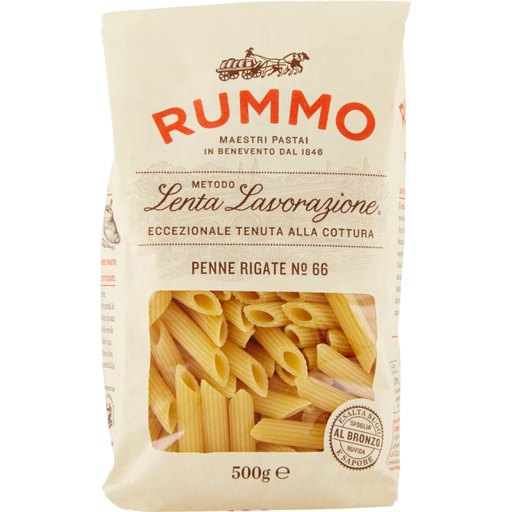 Image unavailable
RUMMO Penne Rigate No. 66, 500 g
Rigate penne to consider if you’d like to prepare your sauce separately. The pack is listed as 500 g; check its label for fat content and allergens.
View on Joybuy
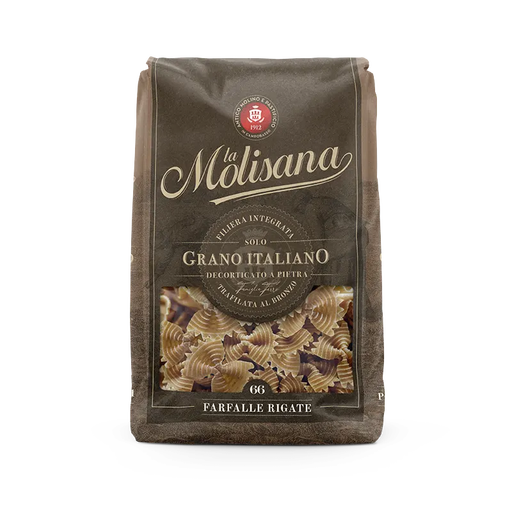 Image unavailable
LA MOLISANA Farfalle Integrali N°066, 500 g
A wholemeal farfalle option if you prefer this texture. The pack is listed as 500 g. Before comparing it with classic pasta, check the pack for fibre, fat and allergen information.
View on Joybuy
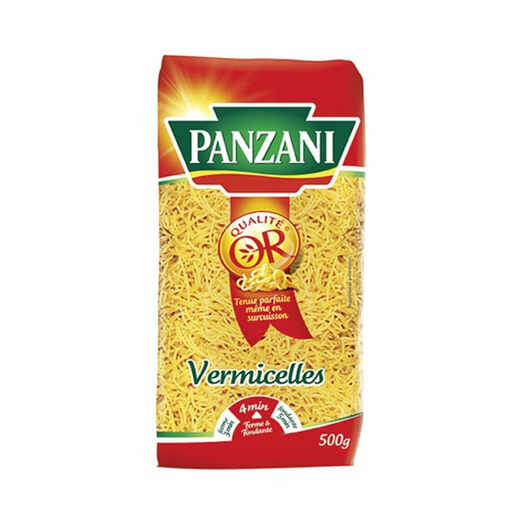 Image unavailable
PANZANI Vermicelli, 500 g
Vermicelli to consider if this shape suits the dish you’re planning. The pack is listed as 500 g. Check the product’s nutrition information and remember to factor in any ingredients you add to the dish.
View on Joybuy
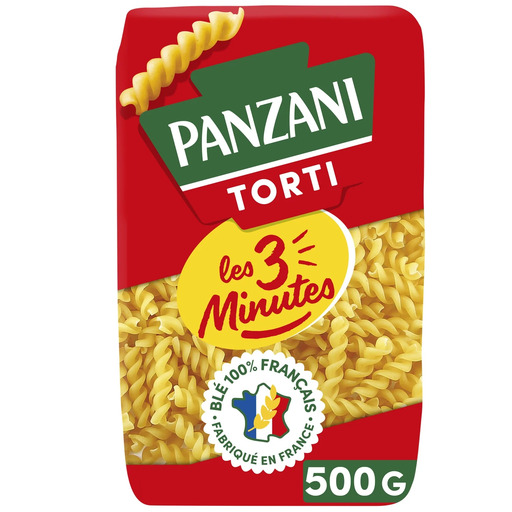 Image unavailable
PANZANI Torti, cooks in 3 minutes, 500 g
Torti to consider if you’re looking for the 3-minute cooking time stated in the product name. The pack contains 500 g; a quick cooking time doesn’t tell you how much fat is in the pasta or sauce.
View on Joybuy
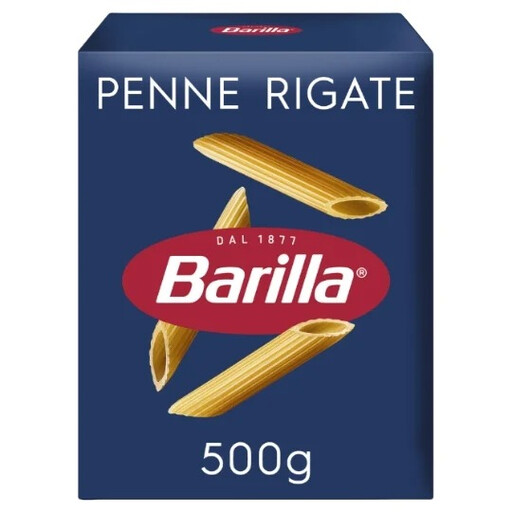 Image unavailable
Barilla Penne Rigate, 500 g
Classic rigate penne to compare if this shape suits your recipe. The pack is listed as 500 g; check the label for fat content and distinguish it from the fat in your seasoning.
View on Joybuy
Frequently asked questions
Is wholemeal pasta always lower in fat than classic pasta?
No. You need to compare specific products. Barilla lists 2.5 g of fat per 100 g for its 500 g wholemeal Penne Rigate, while Auchan lists 1.5 g for its 500 g organic spaghetti. If fibre and texture are part of your decision, consider them without assuming that “wholemeal” means lower in fat.
Is the Nutri-Score enough to choose pasta for a low-fat meal?
No. To compare fat content, check the fat and saturated fat per 100 g directly on the products you’re considering. According to Santé publique France, displaying the Nutri-Score is voluntary. Remember to take the sauce and other ingredients in your meal into account, too.
What should I check if certain ingredients could cause an allergic reaction?
Check the ingredients and allergen information on the pack you actually buy. The Directorate-General for Competition Policy, Consumer Affairs and Fraud Control states that allergens must be highlighted on food labels. Carrefour, for example, mentions possible traces of egg, soya and mustard in its Classic’ spaghetti.


