Guests keeping an eye on fat
You want to see the fat content on the label, rather than relying on a dessert simply being described as fruity or light.


To choose a frozen dessert with less fat, first compare the amount per 100 g for the exact product: the sorbets and ice lolly products mentioned here contain 0 g or less than 0.5 g per 100 g. For New Year’s Eve, ice lollies come in ready-portioned servings, while a tub lets you put together individual sundaes. Also check the sugars, allergen information and availability before you buy.
You want to see the fat content on the label, rather than relying on a dessert simply being described as fruity or light.
For a buffet, ice lollies save you from having to serve each guest with a spoon. Just remember to compare the ingredients from one product to another.
A tub lets you put together individual sundaes or serve dessert at the table. The format, sugars and any warnings about traces of allergens are all worth considering.
For New Year’s Eve, compare the nutritional information per 100 g, then choose a format to suit how you plan to serve it and who’s coming.
| What to check | Points to consider | Who this matters to |
|---|---|---|
| Fat | Check the fat content per 100 g for your chosen flavour and format. A fruity-sounding dessert name is no substitute for this figure. | If my main priority is limiting fat, I need an exact figure to choose the right product; around 42% of consumers would put this first. |
| Sugars and energy | Compare sugars and energy per 100 g separately, then take the portion size into account. | A low-fat recipe can still contain sugars. If I’m weighing up these figures, I need to check each one on the label. This would be the priority for around 33% of consumers. |
| Serving and guests | Check the number of pieces or the net weight, as well as the ingredients and any warnings about traces of allergens for your chosen product. | To plan my buffet or sundaes, I need a format that suits how I’ll serve it and allergen information for any guests who need it; around 25% of consumers would put this need first. |
For the Auchan and Picard products mentioned here, the product information lists between 18 and 22 g of sugars per 100 g, despite a fat content of less than 0.5 g per 100 g.
Compare the two lines in the nutritional information separately, using the same 100 g basis.
Picard warns that its lemon and red berry sorbets may contain traces of allergens. So the word “sorbet” alone doesn’t tell you whether a product is suitable for every guest.
If a guest has an allergy, check the ingredients and any warnings about traces on the packaging of the product you buy.
Ice lollies come in set portions. A tub gives you more freedom to put together individual sundaes, but you’ll need to serve each portion yourself.
Decide whether you’re serving a buffet or at the table before choosing the number of ice lollies or the size of the tub.
A product listing doesn’t guarantee that the dessert will be available at your chosen shop on New Year’s Eve.
Check availability and collection times with the shop where you plan to buy it.
These brands offer products worth comparing for their ingredients or format. The details below apply to the products mentioned, not their entire ranges.
Picard’s Pure Sélection lemon and red berry sorbets come in tubs, making them suitable for sharing.
Yeti fruit sorbet ice lollies, sold at Auchan, come in a box of 12.
E.Leclerc’s Marque Repère range offers its mixed-fruit twist ice lollies in packs of five.
The 1 L tub of raspberry sorbet is a format you can serve to several guests.
These sorbets include ice lollies for individual servings and a 380 g lemon and basil option. Compare the packaging and nutritional information for each flavour before choosing a dessert for New Year’s Eve.
 Image unavailable
Worth considering if you’d like to serve a frozen sorbet on New Year’s Eve. The pack size is listed as 280 g; compare the sugars and check the allergen information on the packaging.
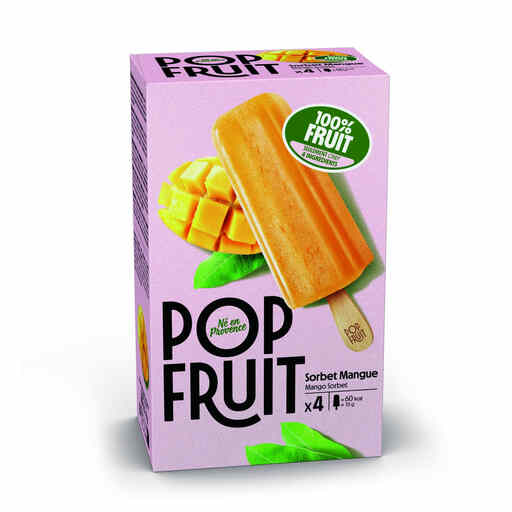 Image unavailable
The four ice lollies are handy for serving ready-portioned treats. The pack is listed as 280 g; also check the sugar content and allergen information for this product.
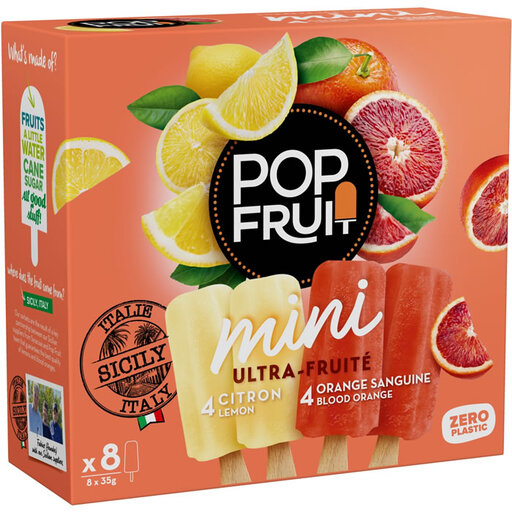 Image unavailable
These mini ice lollies let you offer two citrus flavours at your buffet. The title lists eight pieces and 280 g; compare the nutritional information for each flavour and check for allergen warnings.
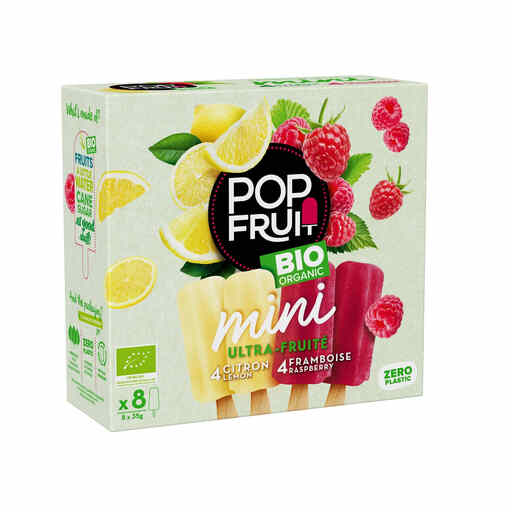 Image unavailable
The mini ice lolly format could work well for individual servings. The title lists lemon and raspberry flavours; check the exact pack details and compare the sugar content for each flavour.
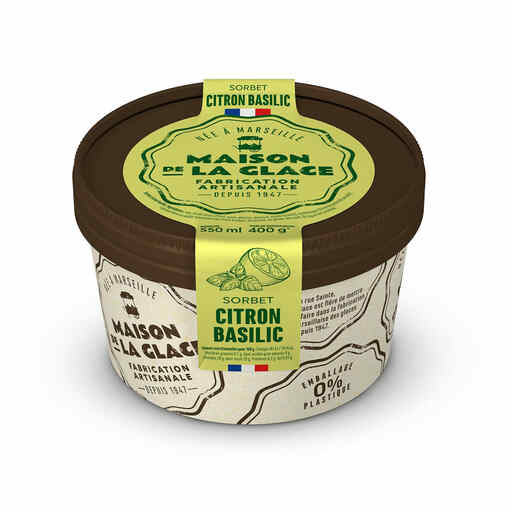 Image unavailable
This 380 g sorbet is worth considering if you’d rather serve dessert yourself than hand out ice lollies. Check the packaging, portion options and allergen information before the meal.
For solid foods, EU Regulation (EC) No 1924/2006 sets the threshold for this claim at a maximum of 3 g of fat per 100 g; for liquids, the limit is 1.5 g per 100 ml. This measure tells you nothing about the sugar content or energy value.
No. Auchan’s product information for Yeti ice lollies lists 18 g of sugars per 100 g, while Picard lists 22 g per 100 g for its Pure Sélection lemon sorbet. Both products contain less than 0.5 g of fat per 100 g. Compare each figure separately.
Ice lollies are a good choice if you want to hand out ready-portioned servings, especially at a buffet. A tub gives you more freedom to serve individual sundaes or adjust portion sizes, as long as you plan how to serve it and keep the dessert cold.
Follow the storage and serving instructions on the packaging of the product you buy. Keep it cold until you’re ready to serve, and don’t refreeze a dessert once it has thawed. Any recommended standing time before serving will depend on the product.
No. The product information for Picard’s Pure Sélection lemon and red berry sorbets warns that they may contain traces of allergens. For each guest with an allergy, check the ingredients and any trace warnings on the packaging of the exact product.