Families comparing fat content
You check the figures per 100 g instead of relying on the word ‘light’. For solid foods, Regulation (EC) No 1924/2006, published on EUR-Lex, sets the threshold for the claim ‘low fat’ at 3 g of fat per 100 g.


If you regularly serve several people, a tub of sorbet lets you adjust the portions; ice lollies are a better choice when you want a set portion for everyone, while a large dessert to share suits a meal with lots of guests. Compare the fat and sugar content per 100 g, then check the number of portions and the allergens for the specific product you choose: low-fat sorbet isn’t necessarily low in sugar.
You check the figures per 100 g instead of relying on the word ‘light’. For solid foods, Regulation (EC) No 1924/2006, published on EUR-Lex, sets the threshold for the claim ‘low fat’ at 3 g of fat per 100 g.
You’re deciding between a tub you can serve according to everyone’s appetite, individual ice lollies and a dessert that states how many portions it serves.
You also compare the sugar content per 100 g, the ingredients list and any allergen or ‘may contain’ information for the specific product.
For a large family, the right format mainly depends on how you plan to serve dessert. Whatever you choose, always check the label for the specific product.
Choose this: when serving several people and adjusting the amount in each bowl.
Bear in mind: portions aren’t pre-set, and sugar content varies from recipe to recipe.
Choose these: when one per person makes serving easier.
Bear in mind: it’s harder to adjust the amount per person than with a tub, so count the lollies before choosing a pack.
Choose this: for a meal with lots of guests, if the stated number of portions is right for you.
Bear in mind: a large dessert made for a special occasion may not be practical for everyday family puddings.
| What to consider | What to check | Who is it for? |
|---|---|---|
| Fat | Check the value per 100 g. If a solid food carries a ‘low fat’ claim, compare it with the threshold of 3 g per 100 g set by Regulation (EC) No 1924/2006. | I want to choose a dessert whose fat content I can compare, rather than relying on its fruity appearance: around 36% of consumers prioritise this check. |
| Family-size format | Check the net weight and the stated number of portions or individual units to see how many people it will serve. | When several people are having dessert, I mainly look for an amount that suits my household; this comes first for around 29% of consumers. |
| Portions | Compare the weight of each unit, if stated, and the number of units in the pack. | If I prefer to give everyone a set portion, individual servings matter more to me; around 21% of consumers put this need first. |
| Ingredients | Check the sugar content per 100 g, the ingredients and any allergen or ‘may contain’ information for the product you choose. | If someone in my household has an allergy, I need to check the exact recipe before serving dessert. Ingredients are the top priority for around 14% of consumers. |
The name or picture of a fruit doesn’t tell you the nutritional value of the specific product.
Compare the fat content per 100 g. For a solid food, Regulation (EC) No 1924/2006, published on EUR-Lex, only allows the claim ‘low fat’ for products containing no more than 3 g per 100 g.
Low-fat sorbet can still contain sugar: Auchan’s lemon sorbet listing states 21 g of sugar per 100 g, while Picard’s Fou de Citron sorbet listing states 22 g per 100 g.
Check the sugar and energy values per 100 g too, so you can compare products on a like-for-like basis.
A tub, ice lollies and a celebration dessert are served in different ways. For example, Picard states that its sorbet pyramid serves 12.
Check the net weight and, where stated, the number of portions or units against the number of people you’re serving.
‘May contain’ information varies by product. Storage instructions also matter once you’ve bought the dessert.
Check the packaging for the specific product, follow its storage temperature and don’t refreeze it after thawing if the label says not to.
These examples can help you identify the formats and information to compare. Check each flavour and recipe separately.
Carrefour offers, among other products, a 606 g tub of Carrefour Extra lemon sorbet.
The retailer offers, among other products, a 650 g tub of Eskiss whole-fruit apple sorbet.
Auchan offers a 650 g tub of lemon sorbet with pieces of lemon.
Picard offers sorbet in tubs, as ice lollies and as a dessert to share.
ALDI stocks, among other products, MUCCI lemon sorbet.
When choosing a frozen dessert at Lidl, compare the specific product and its recipe.
This selection includes individual ice lollies, tubs of sorbet and multi-packs of ice pops. For a large family, first compare the number of portions or the tub’s weight, then check the nutritional information for each product.
 Image unavailable
This sorbet could be part of a selection of frozen desserts in smaller packs. If you’re serving a large group, check whether 280 g will be enough for everyone.
Compare the fat and sugar content on the label for the specific product, and check its allergen information before serving.
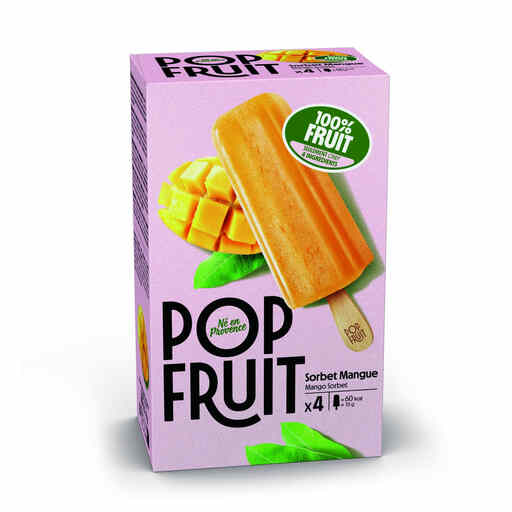 Image unavailable
The pack of four makes it easy to plan for one lolly per person; count your guests if you’re serving a large family.
Check the sugar content per 100 g and allergen information on the packaging. The listing states that the product is not suitable for children under 36 months.
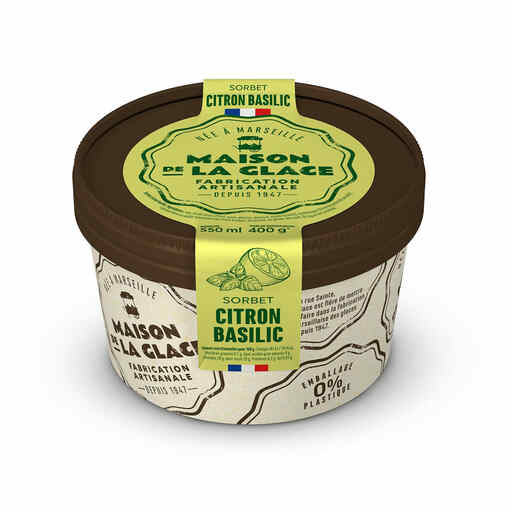 Image unavailable
This tub is easy to share between guests. Decide whether 380 g is enough for the number of people you’re serving.
The Joybuy listing states that it contains less than 0.5 g of fat per 100 g. Check the sugar content and allergen information for this product too.
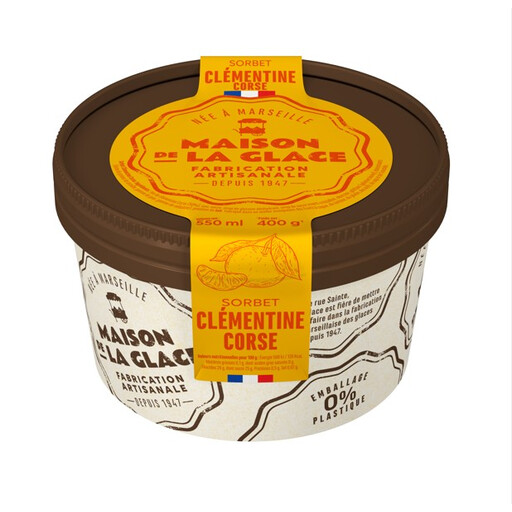 Image unavailable
This tub of sorbet can be served in portions to suit your guests; check whether its 380 g size is right for your gathering.
Before choosing this recipe, compare its values per 100 g and check the allergen information on the packaging.
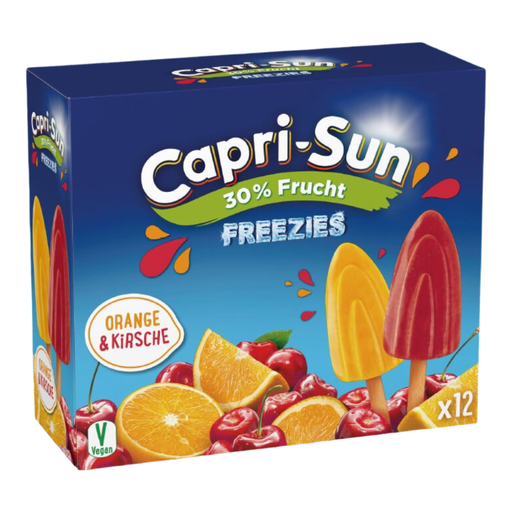 Image unavailable
The pack of twelve ice pops gives you plenty of individual portions when several people are having dessert; these aren’t tubs of sorbet.
The nutritional values are given per 100 ml, so don’t compare this directly with the fat-content guideline per 100 g for a solid food. Also check the ‘may contain’ allergen information.
For solid foods, Regulation (EC) No 1924/2006, published on EUR-Lex, sets the threshold for this claim at no more than 3 g of fat per 100 g. Check the ‘fat’ figure per 100 g for the specific dessert, even if it’s described as fruity or light.
The word ‘sorbet’ isn’t enough to compare two products: check their values per 100 g. For example, Auchan states that its lemon sorbet with pieces contains less than 0.5 g of fat per 100 g, while Picard states that its Fou de Citron sorbet contains 0.5 g per 100 g. Check the sugar content of each product too.
Follow the temperature and storage instructions on the packaging. The Carrefour and Picard listings mentioned for these desserts state that they should be stored at −18 °C; don’t refreeze a product once it has thawed.
No. To check the fat and sugar content, read their values in the nutrition table per 100 g. Santé publique France explains that displaying the Nutri-Score is voluntary and that its updated algorithm has been gradually introduced in France since March 2025. Bear in mind which version is displayed when comparing packaging.
Check the ingredients list, highlighted allergens and ‘may contain’ information for the specific product. Listings for Carrefour, Auchan and Picard sorbets indicate that traces may be present, depending on the product. The word ‘sorbet’ alone doesn’t mean a product is free from allergens.