Parents comparing fat content
If this matters when choosing a snack, distinguish plain raisins or dried apricots from mixes containing nuts. The term ‘dried fruit’ alone doesn’t tell you what’s in the product.


To find dried fruit that is low in fat, compare the ‘fat’ value per 100 g and distinguish plain dried fruit from mixes containing nuts. For a nursery lunchbox, safety comes first: Manger Bouger advises against giving whole nuts to children under 6, and you should check the food’s form, any allergies and the nursery’s rules before packing it.
If this matters when choosing a snack, distinguish plain raisins or dried apricots from mixes containing nuts. The term ‘dried fruit’ alone doesn’t tell you what’s in the product.
Your choice should take account of the form in which the food will be served and the nursery’s guidance. Manger Bouger advises against giving whole nuts to children under 6 because of the risk of choking.
The ingredients list, allergen information and nutritional values help you look beyond fat content alone. The DGCCRF reminds shoppers that this information appears on the labels of pre-packed food.
For a snack to take to nursery, start by checking the form of the food and the nursery’s guidance. Then compare the ingredients and nutritional values.
| What matters | What to check | Who is this for? |
|---|---|---|
| Safety and nursery rules | The form in which the food will actually be served, including avoiding whole nuts for children under 6, and the nursery’s rules on food brought in. | If I’m preparing a snack for nursery, I want to know whether the food is suitable for my child and accepted by the nursery; around 42% of consumers put safety and these rules first. |
| Ingredients | The ingredients and allergen information on the packaging, followed by the ‘of which sugars’ value per 100 g. | To account for a possible allergy or make an informed choice, I read the label beyond the information on the front of the pack; ingredients are the priority for around 33% of consumers. |
| Fat | The fat content per 100 g and whether the mix contains nuts. | When I’m looking for dried fruit that is low in fat, I want to compare the nutritional values rather than rely on the term ‘dried fruit’ alone; around 25% of consumers prioritise fat content. |
A mix may contain raisins, hazelnuts and pecans, as shown on an E.Leclerc product listing. It shouldn’t be chosen using the same criteria as a bag of plain raisins. Whole nuts also pose a risk for children under 6.
Read the ingredients before checking the nutritional values. For a child under 6, avoid whole nuts, in line with Manger Bouger’s recommendation.
The ‘no added sugars’ claim on SUN soft dried apricots doesn’t, on its own, tell you their total sugar content.
Check the ‘of which sugars’ value per 100 g on the packaging, then consider the amount you’ll actually serve.
Two similar-looking dried fruit products can have different ingredients lists and allergen information. A low fat value doesn’t answer these questions.
Check the packaging of the product you buy, especially if your child has a known allergy or the nursery follows a food policy.
A product’s ingredients don’t tell you what the nursery’s rules are or whether it’s suitable for a particular child to chew.
Ask the nursery about its rules on snacks brought in, allergens and permitted food forms before preparing the lunchbox.
Carrefour Original and Carrefour Bio raisins are two plain dried fruit options whose labels you can compare.
E.Leclerc product listings let you distinguish between a duo of soft raisins and a mix that also contains nuts.
SUN soft dried apricots, featured on an Auchan product listing, are another type of dried fruit to consider.
You can consider these two raisin products if you’re looking for plain dried fruit. Their inclusion here doesn’t confirm that a nursery will accept them or that they’re suitable for a particular child.
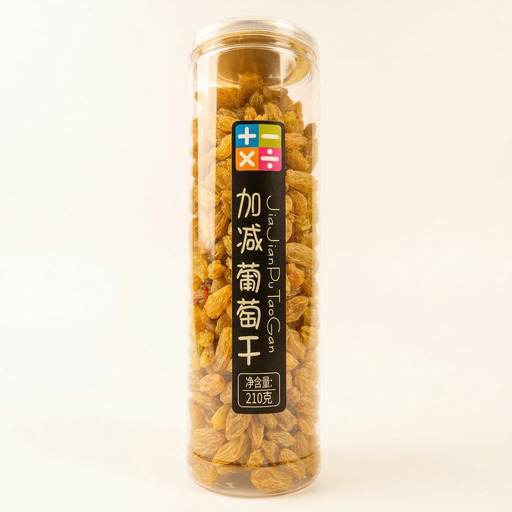 Image unavailable
Worth considering if you’re thinking of packing raisins for a snack at nursery. Pack size shown: 210 g. Compare the fat and sugar values per 100 g on the packaging, then check the allergens, the form in which they’ll be served and the nursery’s guidance.
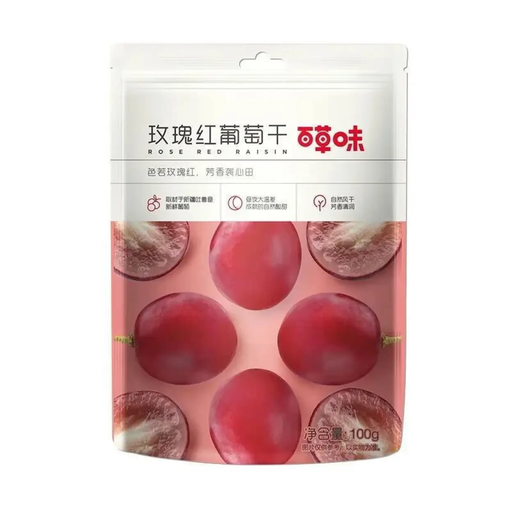 Image unavailable
Worth considering if you’d like to compare a 100 g pack for a raisin snack. Check the ingredients, allergens and nutritional values on the packet. Also ask the nursery to confirm the form in which the food could be served and any conditions that apply.
Not for a child under 6: Manger Bouger advises against giving them whole walnuts, hazelnuts or almonds because of the risk of choking. The source mentions adding them in powdered form to a preparation; also ask the nursery what it allows.
Read the ‘fat’ value per 100 g, then check the ingredients list to see whether you’re comparing plain dried fruit or a mix containing nuts. For a specific example, the E.Leclerc listing for the Couleurs Vives soft raisin duo gives a value of 0,6 g per 100 g.
No. This claim doesn’t replace the ‘of which sugars’ value in the nutritional information. Check this value per 100 g, even on a product labelled ‘no added sugars’.
Before taking a product in, contact the nursery to find out what arrangements apply to your child and check the product label. The French Ministry of National Education states that an individual care plan may apply to early years settings, including nurseries, when a health condition requires specific arrangements.