For an already-sweet breakfast
If your cereal or toppings already contain sugar, the ‘of which sugars’ line on the drink’s label deserves as much attention as its fat content. Compare the figures per 100 ml.


If your breakfast already includes sweet foods, compare the sugars and fat in almond drinks on the same per-100 ml basis, rather than relying on the word ‘light’. The Auchan and E.Leclerc product pages list 1.1 g and 1.5 g of fat per 100 ml respectively for the unsweetened drinks mentioned here. Bio Village’s ‘intense almond’ recipe, which contains cane sugar, has 4.3 g of fat and 4.1 g of sugars per 100 ml. It’s therefore a different recipe choice, which you’ll want to consider alongside its taste and the other foods you’re serving.
If your cereal or toppings already contain sugar, the ‘of which sugars’ line on the drink’s label deserves as much attention as its fat content. Compare the figures per 100 ml.
Whether you’re having it with cereal, adding it to coffee or using it in a recipe, check the organic label, ingredients and sugars. Organic status alone doesn’t tell you about these nutritional values.
If this recipe appeals to you more than an unsweetened version, check the trade-off on the label. At E.Leclerc, the two Bio Village products mentioned have different almond, sugar and fat content.
For a sweet breakfast, start by comparing sugars and fat per 100 ml, then weigh up the recipes based on their ingredients and availability. The percentages below show the main priority for each need among consumers making this choice.
| Criteria | What to check | Consumers concerned |
|---|---|---|
| Sugars | Compare ‘of which sugars’ per 100 ml and look out for sweetening ingredients. | With an already-sweet breakfast, I want to avoid adding unnecessary sugars through my drink. Around 40% of consumers would make this their priority. |
| Fat | Check the fat content per 100 ml; don’t assume it from the almond percentage alone. | If I’m mainly looking for a low-fat drink, an intense flavour comes second to its composition. This would be the main criterion for around 30% of consumers. |
| Organic status and ingredients | Check the organic label, ingredients list and allergen information on the carton you choose. | I prefer an organic recipe, but I also want to know what’s in it before adding it to my cereal. Around 20% of consumers would put checking the ingredients first. |
| Availability | Check which product and size are available at your chosen shop or collection service. | I want to find a carton that suits how I use it at my usual retailer. For around 10% of consumers, availability would be the priority. |
At E.Leclerc, Bio Village ‘intense almond’ contains 7% almond purée and 4.3 g of fat per 100 ml, compared with 2.8% almond purée and 1.5 g of fat in Bio Village Unsweetened. The intense recipe also contains cane sugar.
If fat content is your main priority, start with the nutrition table before choosing based on the type of recipe.
A claim on the front of the pack doesn’t replace the ‘of which sugars’ figure. This distinction matters especially when other parts of your breakfast are already sweet.
Compare sugars per 100 ml and read the ingredients list for each drink you’re considering.
Almonds are among the ingredients in these drinks. The Bjorg product page viewed at Carrefour also warns that other tree nuts may be present.
If you have a relevant allergy, check the allergen information on the specific pack before consuming it.
Carrefour’s Alpro White Almond Unsweetened drink comes in a 1 L carton and is intended for uses including breakfast and cooking.
The organic almond drink labelled ‘no added sugars’ comes in a 1 L carton.
E.Leclerc offers an organic unsweetened almond drink and an organic ‘intense almond’ recipe. They suit different preferences when it comes to ingredients and the flavour you’re looking for.
Auchan’s unsweetened almond drink comes in a 1 L carton.
These products suit different breakfast uses, from cereal and coffee to individual cartons. To choose based on sugars and fat, compare the nutrition table for the specific variant you buy, using the same basis.
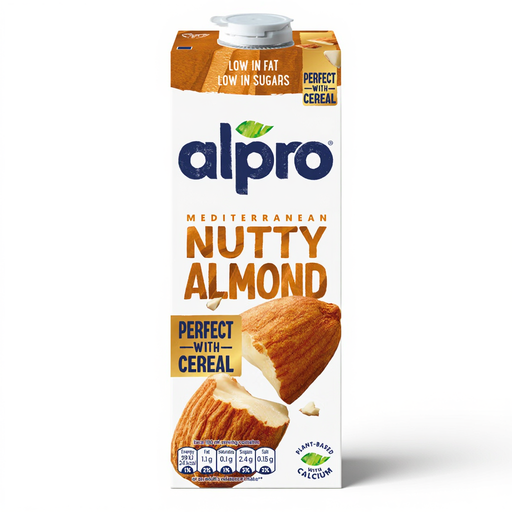 Image unavailable
Worth considering with cereal. If the rest of your breakfast is sweet, compare its ‘of which sugars’ figure with those of the other drinks you’re considering.
Size: 1 L.
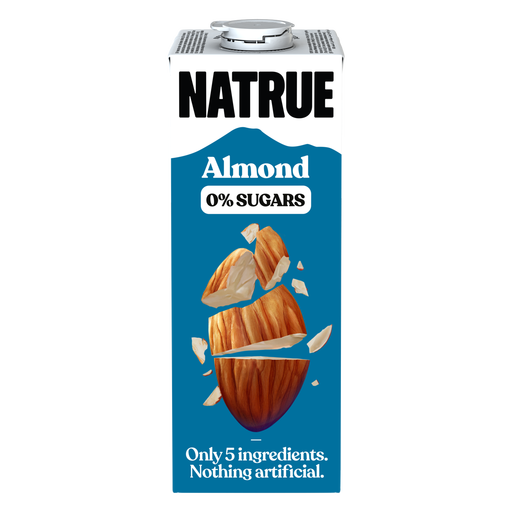 Image unavailable
Whether you’re having it with cereal or adding it to coffee, check its sugars and fat separately: ‘0%’ in the name doesn’t tell you everything about its composition.
Size: 1 L.
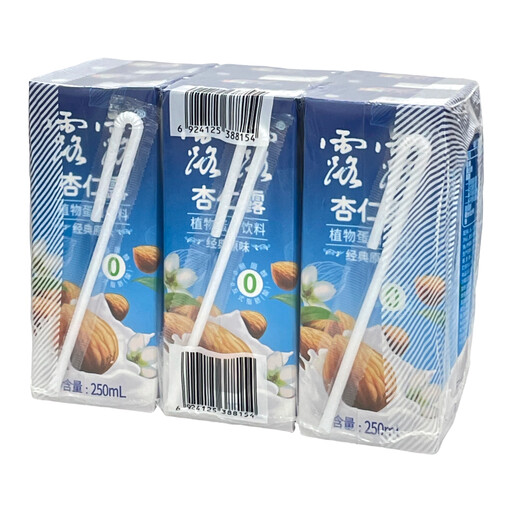 Image unavailable
The small cartons may suit you if you prefer individual portions at breakfast. Check the sugars and fat on the label before comparing them with 1 L cartons.
Pack size: six 250 ml cartons.
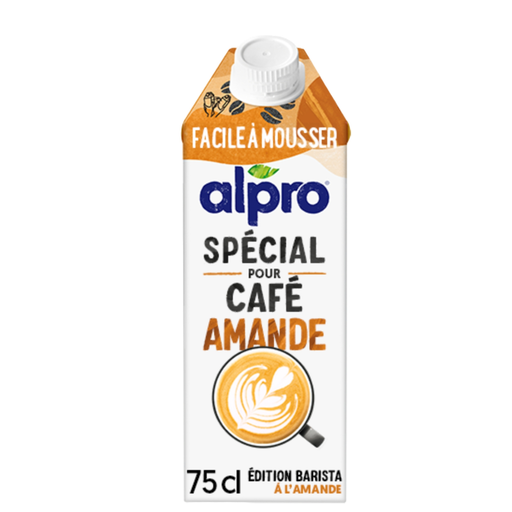 Image unavailable
This Barista variant is mainly intended for coffee. If your breakfast is already sweet, check the ‘of which sugars’ line before choosing it too.
Size: 75 cl.
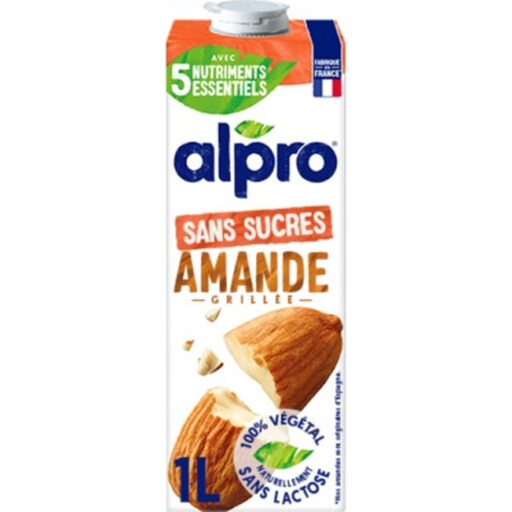 Image unavailable
This ‘Unsweetened’ variant is worth considering with cereal, but check the sugars listed on the pack. If low fat is also a priority, check this figure on the packaging before deciding.
Size: 1 L.
No. Also compare the ‘of which sugars’ figure per 100 ml and the ingredients in each drink. E.Leclerc lists 0.2 g of sugars per 100 ml for Bio Village Unsweetened, compared with 4.1 g for its ‘intense almond’ recipe, which contains cane sugar.
Use the same nutritional basis, such as the fat content per 100 ml shown on both packs. The organic or ‘unsweetened’ label doesn’t tell you this figure on its own.
Check the allergen information on the specific carton: almond is an ingredient in these drinks. Carrefour’s Bjorg product page also warns that other tree nuts may be present.
Follow the instructions for the product you’ve bought. For the unsweetened almond drink mentioned here, Auchan says to keep it refrigerated at 0 to +6 °C and consume it within five days of opening.