
Livraison le jour même ou le lendemain

Qualité garantie

Débloquez vos offres de bienvenue: Livraison GRATUITE | Jusqu'à -80 % | 30 jours d'essai gratuits à JoyPlus
Téléchargez l'application
A long-sleeved men’s T-shirt can work as a base layer for hiking, gym kit or a wardrobe staple under a jacket. But the differences between models go far beyond colour. The wrong fabric, an overly tight fit or an approximate size can quickly make the garment uncomfortable.
Before you place an order, it’s worth knowing the common pitfalls and the key criteria to look for, so you can find a model that suits your needs – whether you’re in the UK or elsewhere.
A fabric that feels nice to the touch doesn’t necessarily wick moisture away well. For a workout, a bike ride or a hike, check the product description carefully to distinguish between breathability, moisture-wicking and quick-drying.
Cotton remains comfortable for everyday wear, but it holds onto moisture once wet and generally dries more slowly than a technical fibre.
Sizes can vary noticeably from one brand to another, and so can the cuts. A slim-fit model might match your chest measurement but still restrict movement around the shoulders. Conversely, a loose fit can create awkward folds under a jacket or rucksack straps.
Always consult the product’s size guide: chest measurement, shoulder width, garment length and sleeve length are far more useful than a simple S, M or L label.
Claims like “anti-odour”, “waterproof” or “advanced technology” need to be taken in context. Check the fabric composition, the nature of any treatment and the care instructions.
An anti-odour treatment doesn’t mean you can skip washing the garment. Similarly, a T-shirt described as water-resistant won’t necessarily replace a proper rain jacket.
For sport and trekking, go for a cut that moves with you without compressing your chest. The sleeves should cover your wrists without riding up when you raise your arms.
For everyday wear, a slim fit can be worn on its own, while a straight cut makes layering with a shirt, sweatshirt or fleece easier.
A garment that’s easy to wash and dry is especially handy when you’re travelling or on the move. Follow the temperature on the label, avoid bleach and check whether tumble drying is advised against.
Technical treatments can lose their effectiveness if the care instructions aren’t followed. For models intended for hiking or trekking, also look at the stitching, the back length and how well it works with a rucksack.
A wrinkle-resistant finish can be useful for travel, but it will never replace a fabric suited to the intensity of your activity.
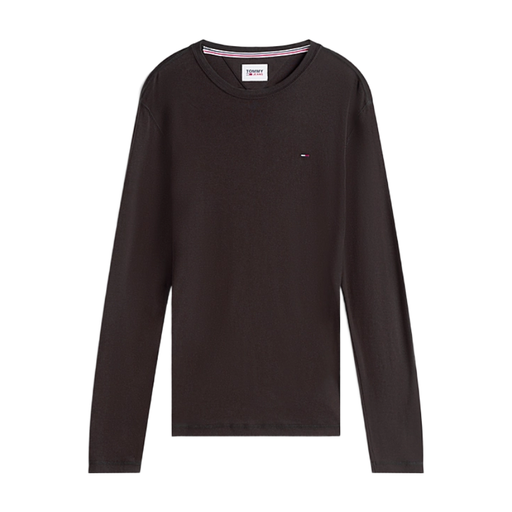
Why this choice suits this profile: Its stated composition of 100% cotton, including certified organic cotton according to the product description, makes it suitable for everyday wear, city outings and layering.
The composition is clearly stated, so you won’t mistake a cotton basic for a technical quick-drying men’s T-shirt.
Cotton described as breathable, slim fit, crew neck and black colourway that’s easy to wear.
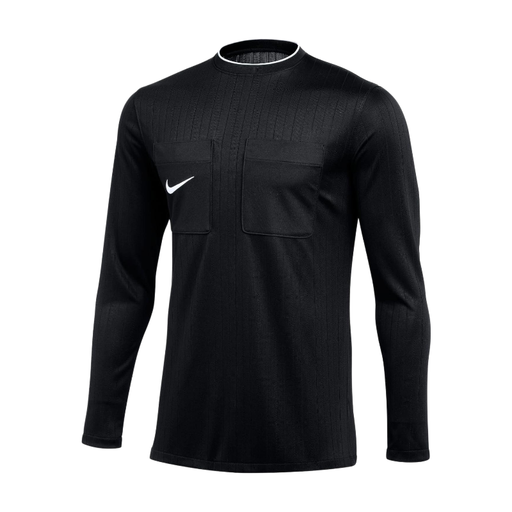
Why this choice suits this profile: This long-sleeved polyester jersey is aimed at those looking for a structured sports piece, with several sizing options to help you choose the right fit.
The product page specifies 100% polyester composition and offers standard sizes as well as “Tall” sizes, which reduces guesswork around sleeve length.
Dri-FIT technology as stated by the brand, crew neck and two hook-and-loop pockets.
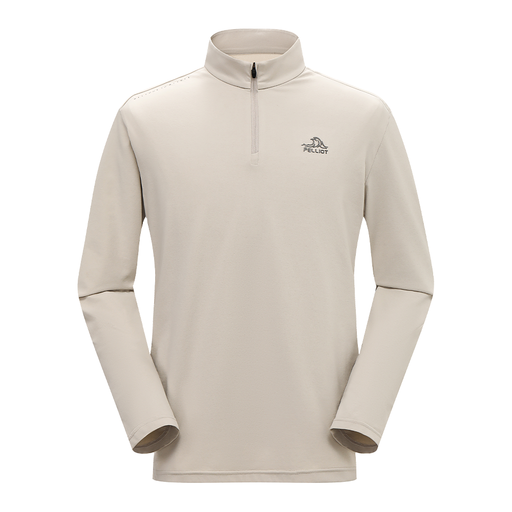
Why this choice suits this profile: The product page lists it for trail running, trekking, the gym, commuting and travel. It can suit those who switch between intense activity and urban use.
The product page details the STORMDRY technology, Toray technical fabric and washing instructions. The POLYGIENE treatment is presented as an odour-control solution, without replacing regular care.
Quick-drying as stated, good wrinkle resistance, grey colourway and a size guide linking weight and height.
We’ve put together a full, real-time updated list of products that fully meet these strict selection criteria and European safety regulations.
Yes, as long as you choose a fabric suited to the activity. For hiking in mild weather, a breathable, quick-drying technical fabric can be more practical than cotton. When temperatures drop, the T-shirt can serve as a base layer under a fleece or jacket.
Always follow the instructions on the label first. As a general rule, wash at a low temperature, avoid fabric softener if the manufacturer advises against it, and don’t iron the garment on a high heat. Technical fibres and any treatments will then retain their properties more easily.
It depends on how often you wear it, how many washes it goes through, friction and the quality of the stitching. Rotating several T-shirts, following the care instructions and choosing a cut that doesn’t pull at the shoulders all help to prevent premature wear.