
Livraison le jour même ou le lendemain

Qualité garantie

Débloquez vos offres de bienvenue: Livraison GRATUITE | Jusqu'à -80 % | 30 jours d'essai gratuits à JoyPlus
Téléchargez l'application
Stocking up your pantry online has become second nature for many households in the UK. It's a convenient way to plan the week's meals, build up a reserve, or simply discover new flavours. However, faced with a multitude of choices, the task can quickly become a headache. Between flattering labels and endless ingredient lists, how can you be sure of the quality of what you're buying?
As a Product Expert at Joybuy, I'm here to help you navigate the jungle of options. Here are a few key points and objective criteria to help you make the right choices for your online long-shelf-life grocery shopping.
Shopping online is child's play, but certain pitfalls can turn a good deal into a disappointment.
To avoid these setbacks, focus on a few simple habits before adding a product to your basket.
The golden rule is simple: the first ingredient on the list is the one present in the largest quantity. For canned meat or p?té, the meat must therefore be at the top of the list. Be wary of lists where water, sugar, or starch appear first.
Pay close attention to the Quantitative Ingredient Declaration (QUID). This mandatory information indicates the percentage of ingredients highlighted on the packaging (for example, "Duck p?té with green pepper (20% duck)"). It's the most reliable indicator of the product's actual composition.
Not all ingredients are created equal. For p?té and rillettes online, a mention like "pork meat" is preferable to "mechanically separated meat (MSM)," which refers to a paste obtained through an industrial process. Likewise, the origin of the ingredients, especially for regional products, is a guarantee of transparency and quality.
The same principle applies to international groceries online. An authentic product will list ingredients specific to its region of origin, rather than generic "flavourings."
Don't just rely on the unit price. The habit to adopt is to always check the price per kilogram or per 100 grams. This information, which must be displayed, allows you to compare two products of different sizes on an equal footing and to spot the fake bargains. It's an excellent way to judge if your quick-cooking ingredients are as budget-friendly as they seem.
To put this advice into practice, here are a few options that cater to different needs and profiles.
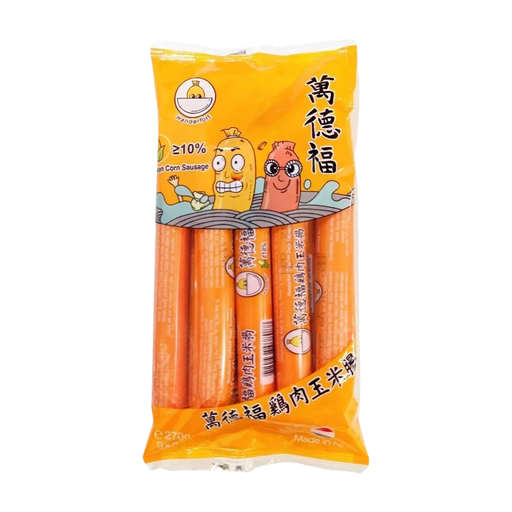
Why it's a great choice: Perfect for a meal on the go. Ready to eat, it can be easily added to a salad, sandwich, or instant noodles for a quick protein boost.
The quantitative declaration is clear: 33% chicken and 10% corn. No surprises about the composition; you know what you're eating.
Ready to use with a protein content of 11g per 100g, making it a substantial and ultra-convenient snack.
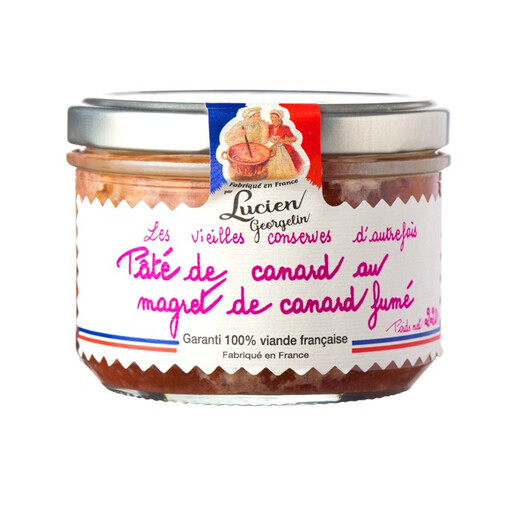
Why it's a great choice: For those seeking the authentic taste of a South-West France-style appetiser. This p?té is made in France with quality ingredients, ideal on a slice of farmhouse bread.
Transparency is key, with 30% duck meat and 5% smoked duck breast. This isn't just a duck "flavouring," but real pieces of meat.
A recipe made in France by a renowned producer, highlighting premium ingredients like smoked duck breast for a rich and distinctive flavour.
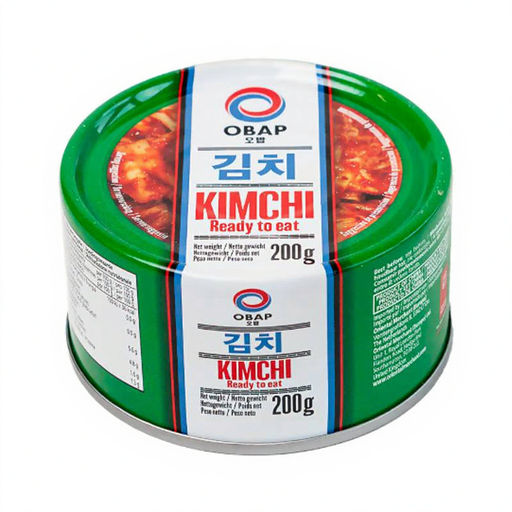
Why it's a great choice: Perfect for exploring **international groceries online**. This kimchi brings an authentic Korean touch, both spicy and tangy, to accompany rice, noodles, or grilled meats.
The ingredient list is faithful to the traditional recipe (cabbage, chilli powder, garlic, ginger). This is not a "Westernised" version but an authentic product.
A product based on a traditional fermentation process, which develops complex flavours and a crunchy texture, characteristic of quality kimchi.
We have put together a complete selection of products that meet our quality charter and regulatory requirements.
Most canned goods and jars should be transferred to an airtight glass or plastic container and placed in the refrigerator after opening. For products like p?té or canned meat, it is advisable to consume them within two to three days to ensure their freshness and flavour. Always refer to the instructions on the packaging.
It is important to distinguish between the "Use-By Date" (indicated by "Use by...") and the "Best-Before Date" (indicated by "Best before..."). Dried and canned products have a Best-Before Date. After this date, the product may lose some of its taste or nutritional qualities but is still safe to eat if it has been stored correctly.
Absolutely. A well-stocked pantry allows you to prepare varied and balanced meals. For example, you can combine canned legumes (chickpeas, red beans) with vacuum-packed corn on the cob, all accompanied by a protein source like pan-fried luncheon meat or duck rillettes. It's an excellent solution for quick-cooking ingredients and impromptu dinners.