For two adults planning several soup-based meals, a pack of 2 × 1 L can be a practical way to stock up. If mealtimes are less predictable, smaller units mean you won’t have to open more soup than you need. Compare the volume of each unit, how it’s prepared and its storage instructions, then check the recipe and allergens. Don’t assume a soup intended for adults is suitable for an infant.
Who are these formats for?
Parents looking for quick dinner options
A cupboard staple like soup can come in handy when you haven’t planned a meal. To choose the right amount, check the volume per unit and the stated number of servings. Carrefour, E.Leclerc and Auchan, for example, offer cartons and portion-sized formats.
Households keen to avoid opened leftovers
If the two adults don’t always eat together, compare smaller units with larger cartons. Once opened, follow the storage instructions on the soup’s packaging.
Parents who pay close attention to ingredients
Before stocking up, compare the ingredients, allergens and “salt” information for the products you’re considering. The DGCCRF reminds shoppers that allergens must be highlighted on the labels of prepacked foods.
What should you look for before buying?
First choose between a ready-to-serve liquid soup and one that needs to be prepared. Then check whether the volume of each unit matches the meals you actually have planned.
Pack of 2 × 1 L
Choose this if: two adults are planning several meals with the same soup. Auchan, for example, lists a Liebig product in this format, stated to serve eight people.
Bear in mind: once opened, each unit needs to be used according to the instructions on its packaging.
1 L carton
Choose this if: you have dinner planned and can use any leftovers according to the instructions on the packaging.
Bear in mind: the stated number of servings alone doesn’t tell you how much each person will actually have.
Small cartons, 2 × 30 cl
Choose this if: mealtimes are irregular and you’d rather open one small unit at a time.
Bear in mind: the pack contains less soup overall than a 1 L carton.
Dehydrated soup sachets
Choose this if: everyone needs to be able to make their own portion without opening a large carton.
Bear in mind: you’ll need hot water and must follow the instructions for that particular recipe. This isn’t ready-to-serve liquid soup.
| Factor | What to check | Who is it for? |
|---|
| Preparation |
Whether the soup is ready to serve or needs to be prepared, and the steps shown on the packaging. |
When dinner needs sorting quickly, I want to know whether I can serve the soup straight away or need to prepare it first. Around 33% of consumers put this time-saving benefit first. |
| Amount opened |
The volume of each carton or sachet, and the instructions for storing it after opening. |
If our plans for meals together change often, I’d rather open only as much as we think we’ll eat. Keeping leftovers to a minimum is the top priority for around 27% of consumers. |
| Stocking up |
Number of units, total volume and stated servings. |
When keeping several meals’ worth in the cupboard, I want to buy an amount the household will actually use. Around 20% of consumers prioritise planning their cupboard stock in this way. |
| Recipe |
Ingredients, highlighted allergens and nutritional information, particularly salt. |
If someone in the household needs to avoid an ingredient, I need to check the exact product before buying several. Checking the recipe is the top priority for around 20% of consumers. |
Mistakes to avoid
-
Assuming all cupboard soups are prepared in the same way
A carton of liquid soup and a sachet of dehydrated soup need different preparation, even though both can be kept in the cupboard.
Check how each one is prepared and how much it makes before comparing the number of servings.
-
Choosing a large pack without planning your meals
A pack of 2 × 1 L only helps with meal planning if each opened unit is used as instructed by the manufacturer.
If your plans change, compare it with a 1 L carton or smaller units before stocking up on several litres.
-
Judging the ingredients by the soup’s name
ANSES lists soups and broths among the foods that contribute to salt intake. Allergens also vary by recipe: the Joybuy product page for a Royco noodle soup, for example, lists gluten, celery and milk.
Check the “salt” information, ingredients and allergens for every product you’re planning to buy.
-
Confusing soup for adults with food for an infant
Children’s nutritional needs and food textures change as they progress through weaning, as explained by Manger Bouger. So having soup in the cupboard doesn’t mean it’s suitable for your baby.
Choose food for your child separately, taking their age and individual circumstances into account.
Brands to compare by format
Royco
Dehydrated soups in sachets, so you can prepare separate portions.
- Auchan, for example, lists a Royco soup in four 20 cl sachets.
- Check the exact recipe: ingredients and allergens vary between sachets.
Carrefour / Carrefour Classic'
Liquid soups to compare in 1 L cartons and smaller units.
- Carrefour’s range includes 1 L and 2 × 30 cl formats.
- Check which product and format your local store offers before planning your meals.
Régal Soupe / Marque Repère
Velouté and blended soups listed by E.Leclerc in several sizes.
- E.Leclerc lists products in 1 L and 2 × 30 cl formats.
- Check the label for the ingredients and allergens in the recipe you choose.
Auchan
Own-brand liquid soups in cartons of different sizes.
- Auchan, for example, offers 1 L and 2 × 30 cl formats.
- Compare the stated number of servings with the amount your household will actually have.
Les Printanières / ALDI
Soups and multipacks to consider based on what’s available locally.
- ALDI France, for example, offers velouté and blended vegetable soups in 1 L cartons.
- Check the relevant catalogue and store before counting on a particular recipe being available.
Portioned soups available on Joybuy
These products are dehydrated soups or soups that need to be prepared, for adult meals. Compare the number of portions and the preparation required: they are not a like-for-like replacement for a carton of ready-to-serve liquid soup.
 Image unavailable
Royco carrot and mushroom noodle soup, 3 × 20 cl
The three sachets let you prepare separate portions when you’re not eating at the same time.
The Joybuy product page for this item lists gluten, celery and milk, among other allergens. Check the label if you need to avoid an ingredient.
View on Joybuy
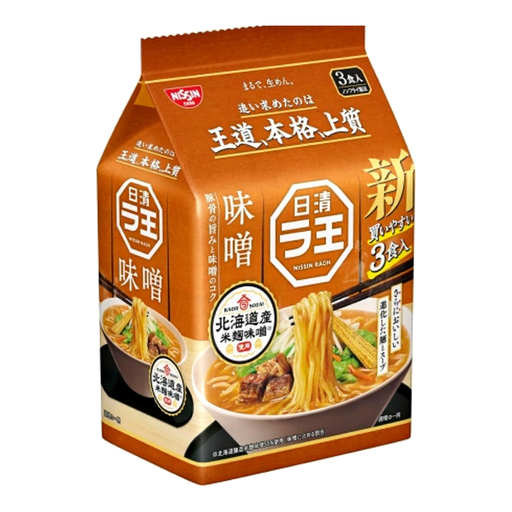 Image unavailable
NISSIN RAOH Miso, 3 portions, 297 g
This pack of three portions is worth considering if you’re planning several meals of noodles in miso broth. If speed is your main priority, check the preparation instructions first.
If you need to avoid certain foods, check the full list of allergens on the packaging.
View on Joybuy
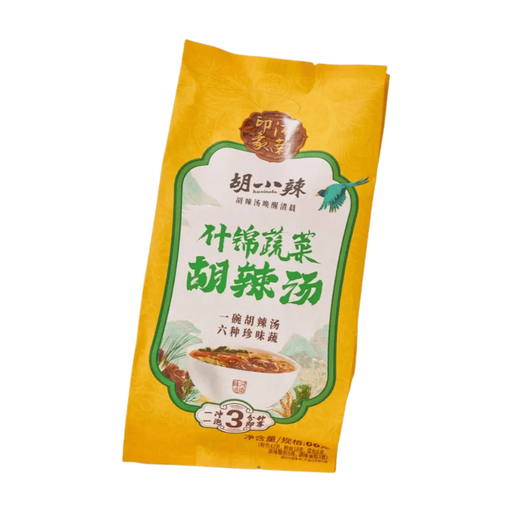 Image unavailable
Haoxiangni spicy assorted vegetable soup, 66 g
This soup needs to be prepared, making it handy to keep in stock for an impromptu meal. If you’re planning to feed two adults, check the number of servings stated on the packaging rather than trying to work it out from the 66 g weight.
Also check the ingredients and allergens for the product you buy.
View on Joybuy
 Image unavailable
Knorr Thai mushroom noodle soup, 69 g, 0.70 L
This soup could work for a meal for two if the stated servings suit you both. It needs cooking, so check the steps before choosing it for an evening when you’d rather serve soup that’s already prepared.
Check the list of allergens on the packaging before you buy.
View on Joybuy
Frequently asked questions
What should you look for when a product is labelled “family size”?
Check the total volume, the number of separate units and the stated servings, rather than relying on the “family size” label alone. Formats listed by Carrefour, E.Leclerc and Auchan include 1 L cartons, packs of 2 × 1 L and smaller 2 × 30 cl units.
What should you check before buying several soups in the same flavour?
Read the ingredients, highlighted allergens and nutritional information for the exact product, especially the “salt” information. Also check the net quantity and storage instructions so you know how you’ll use each unit.
How long can you keep soup after opening?
Follow the storage temperature and use-by period after opening shown on the packaging. Don’t automatically apply the date on the unopened unit to soup that has been opened. The Ministry of the Economy reminds consumers to follow the manufacturer’s storage recommendations.
Is soup for adults also suitable for a baby?
Don’t assume a soup for adults is suitable for an infant just because it’s soup. Manger Bouger explains that a child’s diet and food textures change with age as they move through weaning, so their food should be chosen separately to suit their individual needs.


