Families serving several bowls
If several people are eating at the same time, a one-litre carton may be the right size. Before opening it, check how many bowls you plan to serve.


To serve soup during a baking session with children, first choose a pack size that you’re likely to use up: a large carton for several bowls, or smaller portions to avoid leftovers. Soup sachets need extra preparation; if boiling water is required, an adult should handle it. In every case, check the recipe, allergens and storage instructions for the specific product you choose.
If several people are eating at the same time, a one-litre carton may be the right size. Before opening it, check how many bowls you plan to serve.
If you’re serving just a few people, individual portions let you open only as much as you need. Soup sachets do, however, need to be prepared according to the instructions.
If a child’s dietary needs are a consideration, check the label on the exact recipe, even if you’re already familiar with the brand. The DGCCRF states that allergenic ingredients must be highlighted on the labels of pre-packed foods.
When choosing between a large carton, ready-to-serve portions and a sachet that needs preparing, start by working out how many bowls you need. Then check the preparation instructions and ingredients.
| Criteria | What to check | Who is it for? |
|---|---|---|
| Amount to serve | Compare the total volume with the number of bowls you plan to serve, and read the instructions for after opening. | When several people are sitting down to eat, I want to open enough soup for everyone without leaving a large amount unused. Around 42% of consumers prioritise having enough for the whole family. |
| Portions and preparation | Check the volume per portion and, for sachets, the preparation instructions. | If I’m serving just one or two bowls during the activity, I prefer to adjust the amount. With soup that needs reconstituting, an adult must also be able to prepare it. Getting the portion size right and serving it easily are priorities for around 33% of consumers. |
| Ingredients | Read the ingredients, highlighted allergens and nutritional information for the exact recipe. | Before serving a child, I need to be able to rule out any recipe that doesn’t suit their dietary needs. Around 25% of consumers put checking the ingredients first. |
Cartoned liquid soup, soup in a jar and dried soup sachets don’t necessarily need to be prepared in the same way. Their volumes and instructions for after opening can also differ.
Read the product description, format and instructions instead of relying on the word “canned” alone.
The Royco chicken and thyme crouton soup featured by Auchan contains wheat, celery and milk, among other ingredients. It requires 200 ml of boiling water per sachet. These details don’t apply to every Royco recipe.
Check the allergens and instructions on the sachet you choose. When baking with children, make sure an adult handles the boiling water.
According to the DGCCRF, a use-by date (DLC) must not be exceeded. A best-before date (DDM) may be passed if the packaging is intact, although some of the product’s qualities may change.
Check the exact wording on the product and follow its storage instructions after opening, rather than relying only on the printed date.
This Carrefour range includes long-life liquid soups in a variety of formats.
The range featured by E.Leclerc includes one-litre cartons of velouté soup and 2 × 30 cl packs.
Royco offers dried soups to consider if you prefer to prepare one portion at a time.
ALDI’s range includes Les Printanières velouté soups in one-litre cartons.
Auchan stocks soups in several types of packaging, including cartons and jars.
These products include soups that need preparing and individual portions for a quick meal during a baking session. Before choosing a portion to serve to children, check how much soup it makes, the recipe and the instructions.
 Image unavailable
Worth considering if you’d prefer to prepare separate portions rather than open a large carton. The pack contains three 20 cl portions. Check the ingredients and preparation instructions before serving.
 Image unavailable
This sachet may suit you if you’d like to prepare a set amount without opening a carton of liquid soup. The title states that 69 g makes 0.70 l of soup. Make sure an adult handles the cooking, and check the allergens on the packaging.
 Image unavailable
This sachet is an option if you want to prepare soup as and when you need it. It contains 85 g. Before planning to serve it to several people, check the packaging for how much water to add and how many bowls it makes.
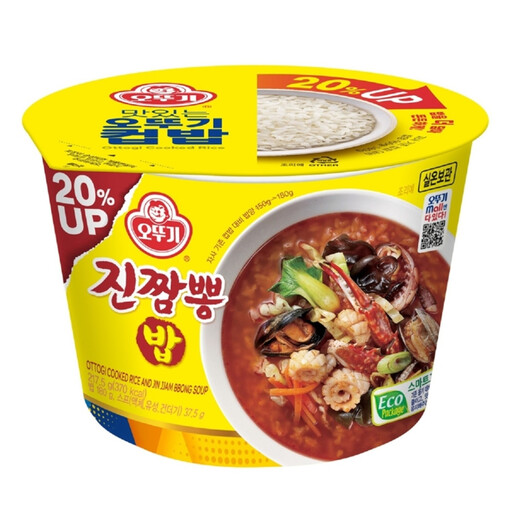 Image unavailable
Consider this format if you’re looking for a separate portion alongside the other soups served at the table. Check the preparation method, amount of water needed and exact ingredients before offering it to a child.
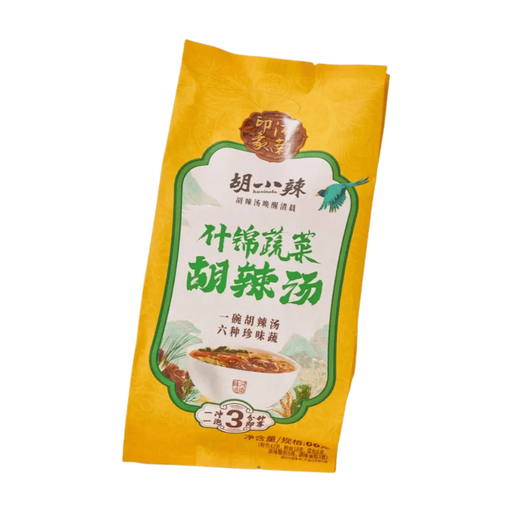 Image unavailable
This spicy recipe may not suit everyone, particularly children, so check the preferences of the people you’re serving. The sachet contains 66 g. Check the packaging for the amount it makes, allergens and instructions for using boiling water.
Choose a carton if you’ll be serving several bowls, or individual portions if you want to open only as much as you need. Soup sachets must be prepared according to the instructions. If boiling water is needed, an adult should handle it. Keep the soup separate from the ingredients used for baking.
Read the ingredients list and the highlighted allergens on the packaging for the exact product. As the DGCCRF points out, highlighting allergens on pre-packed foods makes them easier to spot. Don’t assume that one flavour has the same ingredients as another.
It depends on the wording on the packaging. According to the DGCCRF, a use-by date (DLC) must not be exceeded, whereas a best-before date (DDM) may be passed if the packaging is intact, although the product’s qualities may change. Once opened, follow the storage instructions for the soup you’ve bought.
Don’t serve a product if you have any concerns about its packaging or contents. The Anses highlights, in particular, the risks associated with some home-made or artisanally produced canned foods. For any soup, also follow the relevant date and the instructions on the packaging.