Students who want to use up every portion
You live alone and want a format that lets you prepare or finish the amount you need without creating lots of leftovers.


When moving into student accommodation, choose soup in a carton if you can heat it up and store any leftovers in the fridge after opening. Sachets you make up with water are a better choice if you’re short on space or prefer to prepare one portion at a time, as long as you have hot water. Either way, check the ingredients, allergens and salt content of the recipe you choose.
You live alone and want a format that lets you prepare or finish the amount you need without creating lots of leftovers.
You have little space or limited equipment. Check whether the soup needs a saucepan, a microwave or just hot water, as well as how much it makes.
You compare the exact recipes by checking the ingredients list, highlighted allergens and nutritional information, rather than relying on the name “vegetable soup” alone.
To decide between a carton and sachets, start with your kitchen equipment and how much you plan to make, then check the label for each recipe.
| What to consider | What to check | Who is it for? |
|---|---|---|
| Amount prepared | Compare the volume in a carton with the amount you get when you make up a sachet. Check how many portions are listed. | If I’m preparing meals on my own, I want to know how much each format will actually make. Around 25% of consumers would prioritise the amount prepared. |
| Preparation | Check how much water you need and the heating or cooking method given on the product. | With a kitchen that’s still short on equipment, I need to be able to make soup with what I have to hand. Ease of preparation would be a priority for around 25% of consumers. |
| Recipe and label | Read the highlighted allergens and compare salt levels on the same basis, for example per 100 ml of prepared soup where this information is given. | If certain ingredients don’t suit me or I’m watching my salt intake, the recipe name isn’t enough. Around 25% of consumers would put checking the label first. |
| Leftovers and storage | Check the instructions for after opening and how much space you have in the fridge. Before buying, also check that the packaging is in good condition. | If there’s no room in the fridge, I’d rather not open a carton I can’t finish within the stated time. Managing leftovers would be the top consideration for around 25% of consumers. |
A carton contains liquid soup, while a sachet of dried soup makes a certain volume once you add water. So the quantities shown on the packaging don’t always refer to the same thing.
Before choosing a format, check how much soup the sachet makes and read the instructions.
Once opened, soup may only keep for a short time. Auchan says to keep its 1 L carton of Knorr & La Potagère French vegetable velouté in the fridge for two days.
Choose an amount you can finish, or follow the storage instructions for the product you buy.
If you can’t refrigerate it, you may not be able to use all the soup in the carton.
Some vegetable soup recipes listed by Carrefour contain milk, celery or wheat gluten, depending on the product.
Read the full ingredients list and the highlighted allergens on the packaging for the exact recipe.
Anses lists soups and broths among the foods that contribute to salt intake. The fact that a soup is made with vegetables doesn’t tell you how much salt it contains.
Compare the nutritional values on the same basis and check whether they refer to the dry product or the prepared soup.
Carrefour’s range includes a 1 L carton of Mouliné aux 8 légumes, ready to heat.
The brand offers dried soups to make up with water. They’re an option if easy storage and preparing one sachet at a time matter more to you than a carton of liquid soup.
Auchan lists a 1 L carton of French vegetable velouté, labelled as four portions.
This ALDI brand includes a 1 L carton of Mouliné de légumes variés.
ALDI’s range includes a Mouliné de 7 légumes and a velouté légumes-lentilles corail.
This selection includes soups to make up with water and individual portions of noodle soup. When moving into student accommodation, tell the difference between soup on its own and a noodle dish, and check how to prepare it before choosing.
 Image unavailable
The three sachets let you make one portion at a time with hot water. This recipe contains gluten, celery and milk; its label lists 0,91 g of salt per 100 ml of prepared soup.
 Image unavailable
Prepare the individual portions with hot water and enjoy once made. The product contains soya; it may also contain wheat and gluten. To compare its salt content with liquid soup, check the value for the prepared portion.
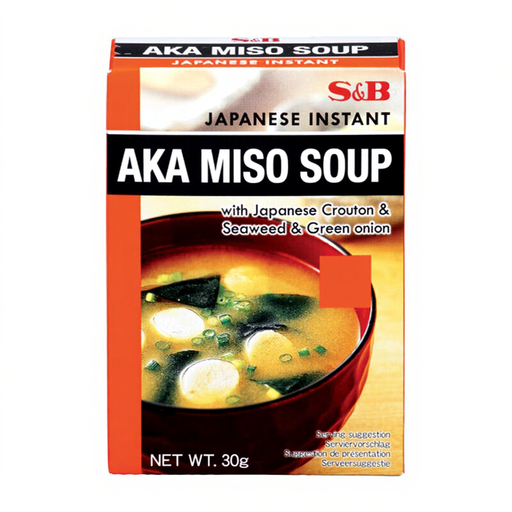 Image unavailable
Make this miso soup in a mug using one sachet and 160 ml of boiling water, without opening a large carton. It contains soya and wheat with gluten. Compare its salt content based on the prepared soup, not just the dry product.
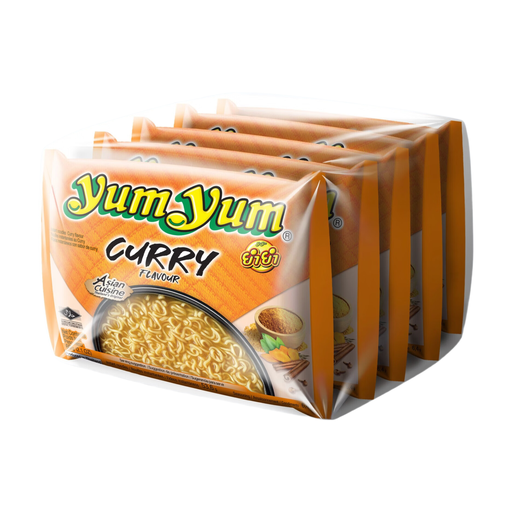 Image unavailable
The five individual packs are instant curry noodles served as a soup, rather than vegetable soup on its own. The recipe contains wheat with gluten and milk; traces of other allergens may also be present. Check the instructions and nutritional values for the prepared portion.
 Image unavailable
This dry mix is a good option if you have a saucepan: it takes around ten minutes to boil. The instructions say to use 750 ml of water for the sachet, but the nutritional information is for a portion made with 250 ml of water. Check the yield and portion size on the packaging. The product contains gluten.
Follow the instructions for the product you’ve bought: there isn’t one storage time that applies to every carton. For the 1 L carton of Knorr & La Potagère French vegetable velouté listed by Auchan, the instructions say to keep it in the fridge for two days after opening.
Yes, depending on the recipe. Vegetable soups listed by Carrefour may contain milk, celery or wheat gluten, among other ingredients. The DGCCRF says allergens must be highlighted in the ingredients list on prepacked foods, so check the label for the product you choose.
A product isn’t automatically unsafe to eat just because its best-before date has passed. The DGCCRF says the packaging must be intact, among other things, and the product’s quality may have deteriorated. Don’t confuse a best-before date with a use-by date.
Don’t use a tin that’s bulging, and check for dents or rust before opening it. The DGCCRF lists these as signs of deterioration in its advice on tinned food. Also follow the instructions for the product.
No. The recipe name doesn’t tell you how much salt it contains. Anses lists soups and broths among the foods that contribute to salt intake. Compare the “salt” line in the nutritional information using the same measure.