For batter or a filling with a pronounced coconut flavour
If flavour and texture matter most, compare the coconut extract content and fat levels of the products you’re considering rather than relying on their names alone.


For coconut-flavoured crêpe batter or a filling, start with culinary coconut milk rather than a coconut plant-based drink, unless your recipe specifically calls for the latter. A light version may suit you if you want less fat; for a thick filling, consider coconut cream instead, but don’t use it as a direct substitute for the liquid in your batter. Check the ingredients, pack size and storage instructions for the product you choose.
If flavour and texture matter most, compare the coconut extract content and fat levels of the products you’re considering rather than relying on their names alone.
Light coconut milk may suit this preference, but its ingredients may differ from those of a regular version. The two Suzi Wan products described by the brand illustrate the difference.
If you’re looking for a product to keep before Candlemas, check the treatment method, date and storage instructions on the packaging. Also distinguish culinary coconut milk from a coconut plant-based drink.
First, decide whether your recipe calls for a culinary ingredient for the batter or something intended for the filling. Then compare the nutritional information and pack size of products suited to that use.
| Criterion | What to check | Who it’s for |
|---|---|---|
| Texture and coconut flavour | Compare the product type, the proportion of coconut extract where stated, and the fat content per 100 g or 100 ml. | I want the coconut to come through in my crêpes or their filling, without randomly swapping out the liquid in my recipe. For around 40% of consumers, texture and coconut flavour would be the main priority. |
| Fat content | Read the figures per 100 g or 100 ml for regular and light versions; also check that the consistency will work for your recipe. | If I choose a light version, I’d rather reduce the fat, even if I need to adapt the recipe because the texture is different. This would be the priority for around 30% of consumers. |
| Ingredients | Check the ingredients and any stated allergens for the product you buy; don’t assume its characteristics are the same as those of another product. | Before cooking for people with dietary requirements, I need to be able to check the exact ingredients. Around 20% of consumers would put this check first. |
| Pack size and storage | Check the volume, date and storage conditions before and after opening, as well as availability at your shop. | When shopping ahead, I want a pack size that suits my recipe and the storage space I have. This would be the main requirement for around 10% of consumers. |
Carrefour lists these as separate categories in its grocery search results. Their names alone don’t mean they’ll give you the same result in a recipe.
Choose the type of liquid your batter or filling calls for, then read the ingredients and nutritional information for the product you’ve picked.
According to the figures provided by Suzi Wan, its light coconut milk contains 8 g of fat per 100 g, compared with 17 g for its regular version. This difference matters if you’re after a particularly creamy filling.
Compare the figures on the same basis and, if texture is important, try a small amount of the light version before making the whole recipe.
A product you find online may not be available at the shop you’ve chosen. This can affect the pack size available when you do your shopping.
Check local availability and the volume before deciding how much you’ll need.
The range described by Suzi Wan includes regular coconut milk, a light version and coconut cream. Choose according to how you plan to use it in your crêpes.
KARA offers regular culinary coconut milk treated at ultra-high temperature (UHT), as well as other coconut products.
Carrefour lists Real Thai coconut milk in a 1 L carton in its category for plant-based cooking ingredients.
This selection includes light and regular coconut milk for cooking, as well as coconut cream to consider for a filling. If you’re stocking up before Candlemas, check the storage conditions and date on each pack.
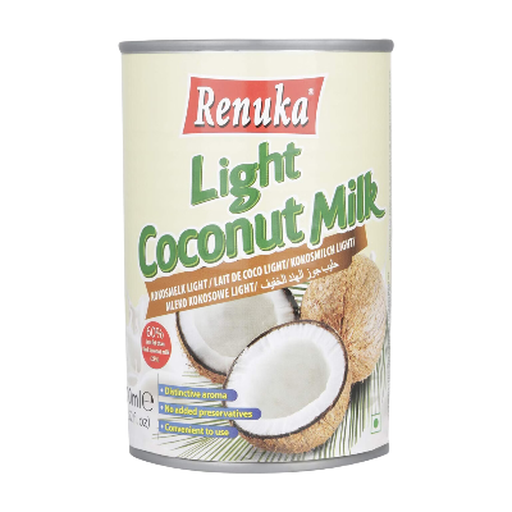 Image unavailable
This light coconut milk is worth considering if fat content is your main priority for the batter or filling. The can contains 400 ml; check the ingredients if they matter for your recipe.
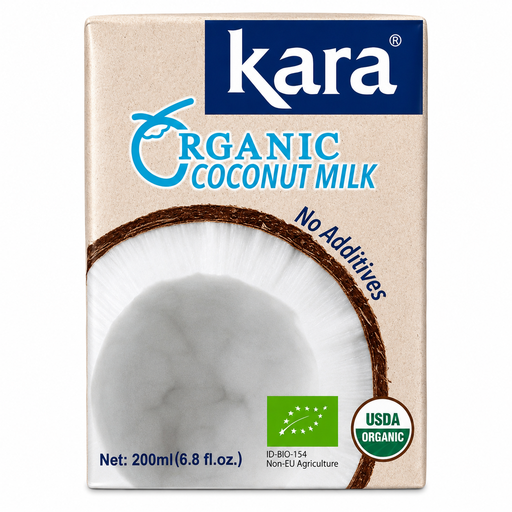 Image unavailable
This 200 ml carton of UHT culinary coconut milk may suit a smaller recipe. Before comparing fat content or ingredients, read the label: the ingredient details and nutritional values shown for this product don’t match.
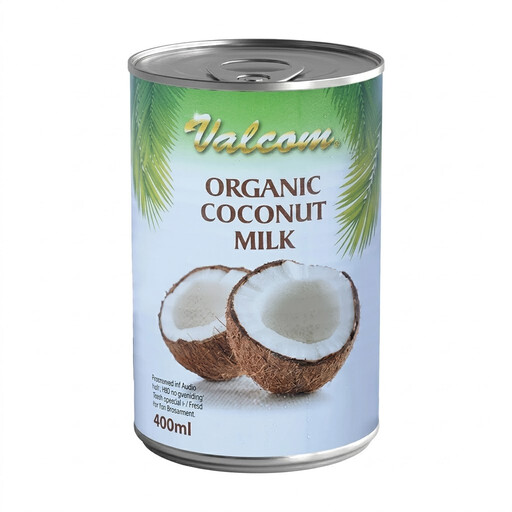 Image unavailable
This 400 ml can of coconut milk is worth considering if your recipe needs more than a small pack. If you’re buying it to keep in the cupboard, check the date and storage instructions on the can.
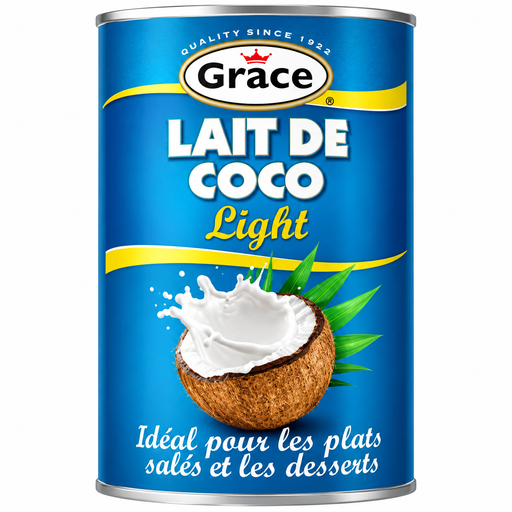 Image unavailable
This 400 ml light version is worth considering if you want to use less fat in your recipe. Check that its consistency suits your chosen recipe and read the storage instructions on the packaging.
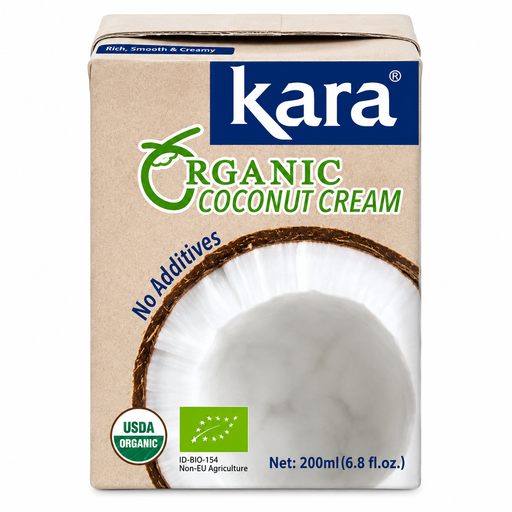 Image unavailable
This 200 ml carton of UHT coconut cream is worth considering for a filling rather than as a direct replacement for milk in the batter. Check the fat content on the packaging before comparing nutritional values: the figures shown for this product contradict each other.
Not automatically: check which liquid your recipe calls for before considering a swap. Carrefour lists coconut plant-based drinks separately from coconut milk for cooking; check the product name, ingredients and nutritional information for the one you choose.
Choose it if reducing fat is your priority and its consistency suits your recipe. Suzi Wan states that its light version contains 8 g of fat per 100 g, compared with 17 g for its regular version; these figures don’t apply to all light products.
Start by checking the product name, ingredients, nutritional information, net quantity and date so you can compare products suited to your recipe. For prepacked food sold in France, the DGCCRF lists these among the labelling details that must be provided; also check any stated allergens if they’re relevant to the people eating the crêpes.