
Livraison le jour même ou le lendemain

Qualité garantie

Débloquez vos offres de bienvenue: Livraison GRATUITE | Jusqu'à -80 % | 30 jours d'essai gratuits à JoyPlus
Téléchargez l'application
A container might look practical on the shelf, then turn out to be bulky, difficult to clean or disappointing after a few weeks. So when choosing a LocknLock food storage container, it’s best to look beyond the colour and the promise of a leakproof seal. The size, material and how you plan to use it will make all the difference in everyday life.
An airtight food container limits leaks when the lid is properly closed and the seal is clean. That doesn’t mean you can skip checking all four sides of a clip system or the condition of the silicone. A deformed, poorly repositioned or residue-clogged seal can quickly compromise the leakproof performance.
With soups, sauces and liquid foods, remember to leave a little space before freezing. As the contents cool, they expand and can put pressure on the lid.
A 2-litre rectangular storage container is fine for family-sized meals, but it will take up a fair amount of space in a fridge that’s often already well compartmentalised. On the other hand, a 380 or 450 ml container will be perfect for a single portion, but may prove too small for a full meal.
Before ordering, compare the external dimensions with your shelves, drawers and lunch bags. The stated volume doesn’t always reflect the actual usable space once the lid is on.
For the models featured here, the rule is simple: remove the lid before reheating. Some products also specify a maximum usage time or advise against very fatty foods. A microwave-safe container must never be used in a conventional oven, under a grill or directly on a heat source.
Borosilicate glass can handle the thermal variations specified by the manufacturer, but moving it straight from the freezer to a preheated oven is still best avoided. Regularly inspect the container, lid and seal for any signs of wear.
A food-grade plastic container made from polypropylene is lightweight and better withstands everyday knocks. It’s particularly well suited to packed lunches, fridge organisation and meal prep. The products featured here are stated to be BPA-free and suitable for food contact.
Borosilicate glass is heavier, but lets you see immediately what’s inside the container and generally retains fewer odours. It works well for cooled gratins, saucy leftovers and dishes you want to keep for several days. The Ovenglass range shown combines a glass body with a plastic lid and a removable seal.
A leakproof lunch container relies on two things: a perfectly fitting lid and a seal that’s easy to clean. Four-clip systems, like those in the Bisfree Modular Plus range, let you check at a glance that each side is properly closed. To keep the seal effective, remove it regularly, wash each part with a mild detergent, then dry them thoroughly before reassembling.
The dishwasher-safe label is always worth checking in the instructions: some models need to go on the top rack, while others will last longer if washed by hand.
For meal prep, sizes from 450 to 910 ml generally correspond to a single portion or a side dish. A stackable food container helps you organise the fridge better, provided the different sizes are genuinely compatible with each other.
For a fruit and vegetable storage container, choose a volume that matches the amount you’ll eat quickly. The FreshBlock models feature a structured base and a gas-management technology presented by the manufacturer for fresh produce. This function doesn’t replace sorting out damaged items, maintaining the cold chain or regular cleaning.
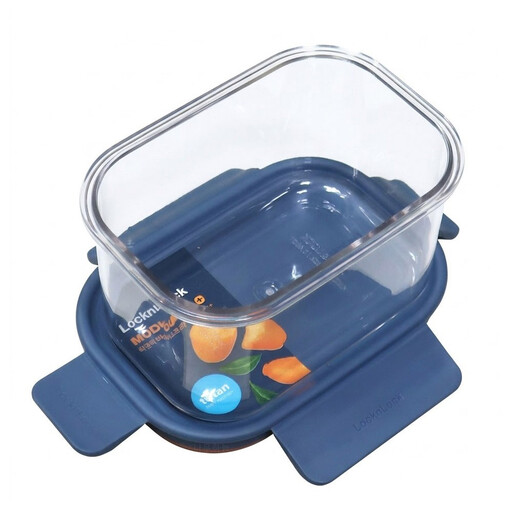
Why this choice suits this profile: its small volume is ideal for sauces, chopped fruit, side dishes and light portions, without cluttering your cupboards with large containers.
Its small size reduces the risk of buying an oversized container. To maintain the leakproof seal, the four-sided mechanism must be properly closed on every edge.
BPA-free polypropylene, stackable design, suitable for the fridge, freezer, dishwasher and microwave with the lid removed.

Why this choice suits this profile: its large volume is ideal for family-sized meals, bulk storage and meal prep sessions.
The glass lets you easily see the contents, and the removable seal makes cleaning simple. However, you’ll need to take its 1.24 kg weight and dimensions into account.
Borosilicate glass, leakproof lid, designed for use in the fridge, freezer, dishwasher and microwave without the lid.
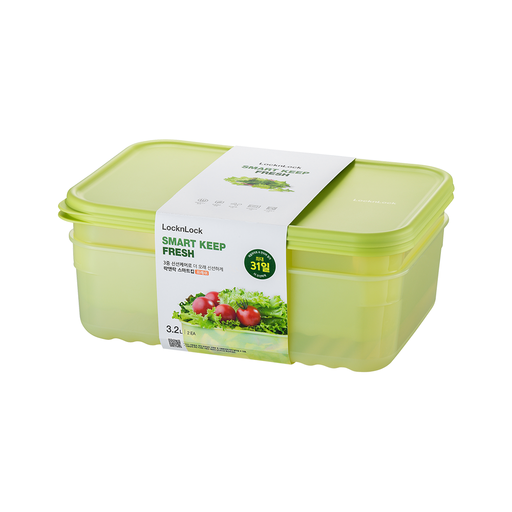
Why this choice suits this profile: this pack is aimed at households that store large quantities of fruit, vegetables or pre-prepared meals.
The double seal and click-lock fasteners minimise the risk of leaks when the lid is properly secured. With such a generous size, though, do check it fits in your fridge.
Pack of two 3.2-litre containers, stackable design, suitable for the freezer, dishwasher and microwave with the lid removed.
We’ve put together a comprehensive, real-time updated list of products that meet these demanding selection criteria and European safety standards.
A size of 450 to 630 ml is generally suitable for a starter, a side dish or a modest portion. For a full meal, models from 760 to 910 ml give you more room. Capacities of 2 to 3.2 litres are more suited to family-sized meals and bulk storage.
The products featured here are stated to be freezer and microwave compatible, but the lid must be removed before reheating. Leave enough space for liquids to expand and avoid thermal shock, especially with glass containers.
Wash the lid and seal separately, remove any residue trapped in the grooves, then dry each part thoroughly before reassembling. Avoid abrasive sponges, regularly check for cracks and replace any seal that has lost its flexibility. By following the instructions, you’ll preserve the leakproof performance and compatibility with the fridge, freezer or dishwasher for longer.