
Livraison le jour même ou le lendemain

Qualité garantie

Débloquez vos offres de bienvenue: Livraison GRATUITE | Jusqu'à -80 % | 30 jours d'essai gratuits à JoyPlus
Téléchargez l'application
Choosing a liquid hand soap might seem straightforward. Yet, between antibacterial claims, indulgent fragrances and economy-sized formats, some differences really become apparent in daily use. A formula that's too harsh can worsen dryness, while a refill that doesn't fit your dispenser could end up languishing at the back of a cupboard.
Before you head to the checkout, it's worth looking at the ingredients, format and dispensing system rather than relying solely on the claims splashed across the label.
The label antibacterial hand soap catches the eye, but it doesn't replace proper washing. The amount of product, how thoroughly you rub every part of your hands, and the rinsing all matter just as much. Read the claims on the packaging carefully: a product may state that it helps remove certain impurities or limits certain micro-organisms, without being a disinfectant suitable for all purposes.
A scented hand soap often makes washing more pleasant. However, fragranced formulas can contain allergens that must be declared, such as limonene, linalool or coumarin. If you have sensitive skin, check the INCI list and choose a formula that suits your skin's tolerance.
A 250 or 300 ml bottle might be fine for a little-used bathroom. In a family home, however, it will run out very quickly. Compare the price per litre, the number of refills available and whether they're compatible with your dispenser. A family-size hand soap or a pack of refills can reduce how often you need to buy, provided you have a clean, suitable container.
For frequent use, opt for ingredients known to be kinder to the skin, such as glycerin, certain plant extracts or emollient agents. A moisturising liquid soap will never replace a hand cream, but its formulation can leave your skin feeling less tight after rinsing.
If you're prone to dryness, you could look for a sensitive skin hand soap that clearly states its intended use and has been tested. The term "hypoallergenic" means the formula is designed to reduce the risk of an allergic reaction: it doesn't guarantee no individual reaction at all. If irritation occurs, stop using it immediately and rinse thoroughly.
The classic pump bottle remains easy to use and refill. An automatic soap dispenser, on the other hand, reduces contact with the pump and can help children get into the habit of washing their hands regularly. However, you'll need to budget for batteries and refills that are compatible with the model you choose.
Before buying a hand soap refill, check its volume, the shape of the cartridge and the refilling system. Some pouches are designed to be poured into a reusable bottle; others only work with a dedicated dispenser.
A cosmetic product intended for hands should be used according to the instructions on its label. Avoid contact with the eyes, do not ingest it, and keep it out of reach of young children. The ingredients list is particularly useful if you react to fragrances or certain preservatives.
Liquid Marseille soap can also be appealing thanks to its saponification from vegetable oils. However, check the actual composition: the commercial name alone doesn't describe the entire formula. The presence of vegetable oils, the absence of artificial colourants or the claimed natural origin should be confirmed on the packaging.
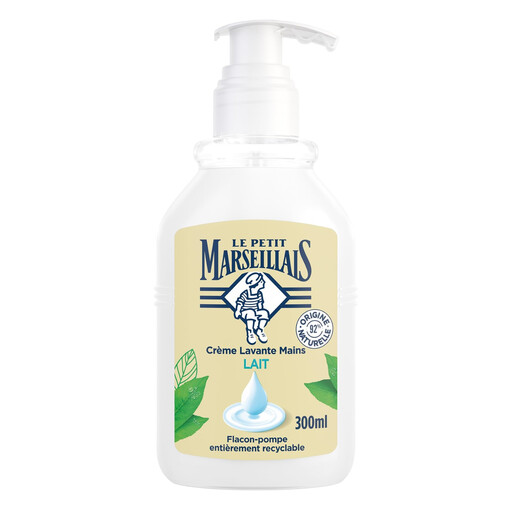
Why this suits this profile: Its 300 ml pump bottle is ideal for equipping a bathroom for the first time. The milk-based formula is presented as suitable for frequent washing.
Its clearly stated volume means you're not starting straight away with a large pack or a proprietary cartridge system.
92% naturally derived ingredients claimed, pH neutral for the skin and a fully recyclable pump bottle according to the product description.
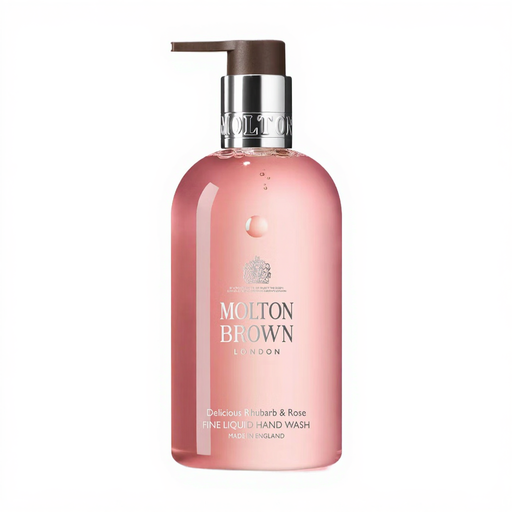
Why this suits this profile: This product focuses on a sensory experience that's both fruity and floral, ideal for a basin where fragrance and presentation matter as much as the wash itself.
The product page presents it as a nourishing hand wash: this clearly distinguishes a fragranced care product from an antibacterial soap.
300 ml format, glycerin and shea butter listed in the ingredients, with notes of rhubarb, rose and grapefruit.
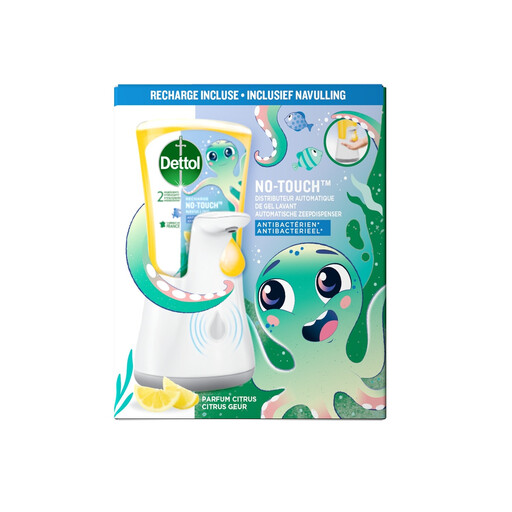
Why this suits this profile: The kit combines an automatic dispenser, a 250 ml refill and two AA batteries: a practical setup for reducing contact with the pump.
The kit contains the dispenser and batteries. You only need to buy refills designed for the No-Touch system.
Touch-free dispensing, refill included and lemon scent claimed. The antibacterial claim should be interpreted in light of the information on the packaging.
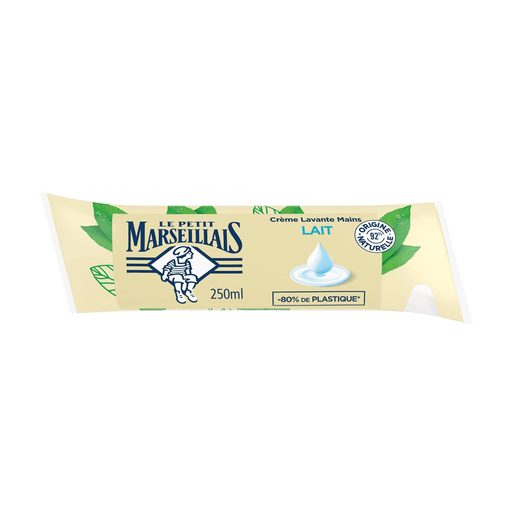
Why this suits this profile: This pouch is poured into an empty pump bottle. It's ideal for those who want to keep their dispenser while reducing the amount of packaging they need to buy.
The format is clearly identified as a 250 ml refill: impossible to confuse it with a ready-to-use bottle.
The brand claims 80% less plastic compared to a new 300 ml pump bottle, as well as a formula containing 92% naturally derived ingredients.
We've put together a comprehensive, real-time updated selection of products that meet these exacting criteria and European safety regulations.
It depends on the formula and the manufacturer's recommendations. Check the date or period of use indicated on the packaging, close the bottle between uses and avoid leaving it near a heat source. A pump that becomes sticky, a change in smell or an unusual texture are all signs that it's time to replace the product.
They can be, especially in a household where several doses are used every day. However, compare the price per litre, the actual volume dispensed and the cost of the reusable bottle. An opened refill should be transferred cleanly and used according to the manufacturer's instructions.
Place a small amount of product on wet hands, then rub your palms, the backs of your hands, between your fingers and around your nails. Rinse thoroughly and dry with a clean towel. Choosing a hand wash gel doesn't change this method: the effectiveness of the wash also depends on your technique.