
Livraison le jour même ou le lendemain

Qualité garantie

Débloquez vos offres de bienvenue: Livraison GRATUITE | Jusqu'à -80 % | 30 jours d'essai gratuits à JoyPlus
Téléchargez l'application
Preparing a Spritz, Negroni, Amaretto Sour or Margarita at home seems simple enough… until you have to choose from dozens of bottles. Between promises of “unique” flavours, formats that are sometimes unsuitable and recipes requiring a long list of ingredients, some products quickly end up at the back of the cupboard.
To buy liqueurs and aperitifs for cocktails that genuinely suit your habits, it is best to avoid three common pitfalls.
The percentage shown in % vol. gives you a good indication of the drink’s intensity and how much to pour. At 12.5% vol., Aperol is generally combined with Prosecco and sparkling water in an Aperol Spritz. At 25% vol., Campari brings more bitterness and character to a Negroni or Americano.
A liqueur such as Cointreau, at 40% vol., is better suited as a concentrated flavouring ingredient in a Margarita, Cosmopolitan or Sidecar. Measuring accurately is therefore important, especially if the cocktail already contains a spirit.
Start by deciding what role you want the bottle to play:
The perceived sweetness also depends on the rest of the recipe. A sweet liqueur can soften the acidity of lemon, while a bitter aperitif pairs easily with sparkling wine or a fizzy drink.
Bottles from 50 cl to 1 L cover most needs at home. A 70 cl format is suitable for regular consumption. A 1 L bottle becomes more useful for a home bar, a party or cocktails prepared for several people.
Always take the time to check the label for allergens, storage conditions and any instructions to follow after opening. Martini Bianco indicates the presence of sulphites and should be kept in the fridge once opened. Alexandra punch contains milk, unlike the passion fruit punch featured here, whose product information states that it contains no allergens. Alcoholic drinks are intended for adults and are not recommended during pregnancy.
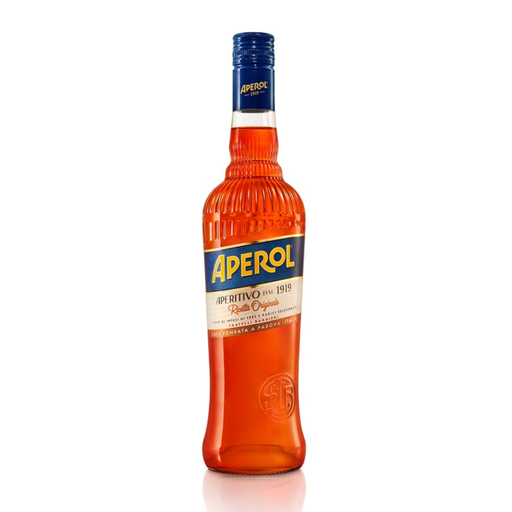
Why this product suits this profile: The Spritz recipe shown on the product page combines Prosecco, Aperol, sparkling water and a slice of orange. It is a clear, easy-to-follow formula for getting started with homemade cocktails.
Its 12.5% vol. alcohol content and 70 cl format are clearly stated. This makes it easy to compare with more concentrated aperitifs before placing your order.
A 70 cl Italian aperitif at 12.5% vol., with a 3-2-1 mixing guide for a Spritz and notes of herbs, roots and fruit.
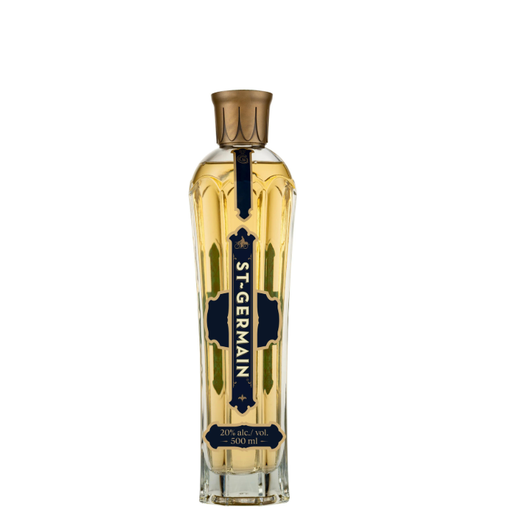
Why this product suits this profile: This 50 cl French liqueur adds a refined floral touch to cocktails. It is ideal for those who prefer exploring more nuanced recipes rather than accumulating bottles that are rarely used.
Its compact format avoids tying up too much of your budget and is easy to store. The product information also notes the presence of sulphites and recommends keeping the bottle in a cool place away from light.
20% vol., 50 cl capacity, a floral profile and a bottle designed to be used as a cocktail ingredient.
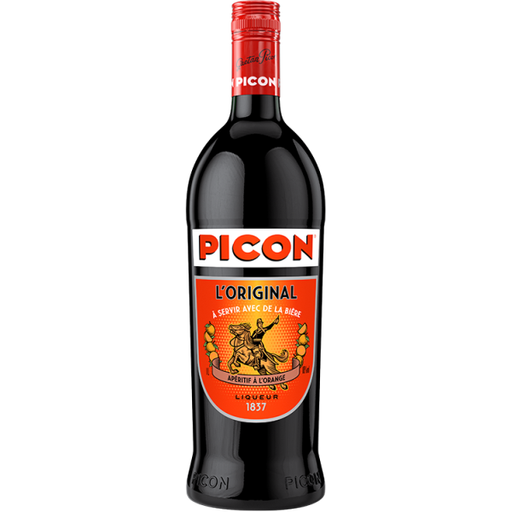
Why this product suits this profile: With its 1 L format, this bottle is aimed at people who regularly prepare Picon bière, aperitifs for several guests or citrus-led cocktails.
Its main use is clear: it is designed to flavour beer. This means you avoid choosing a fruit liqueur that would not suit this traditional recipe.
18% vol., 1 L volume, bitter orange and caramel notes, to be served over ice or poured straight into beer.
For a generous, indulgent cocktail, ADRIATICO Amaretto 28% vol. combines almond with notes of vanilla, cinnamon, cocoa and coffee. Its Amaretto Bianco 16% vol. version uses a white almond base and has a recipe containing no milk or dairy cream. Both products can be used in an Amaretto Sour, with lemon and, depending on the recipe, a sweetening ingredient.
Fans of fruity cocktails may prefer Boudier lychee liqueur 20% vol. in 50 cl, described as having notes of fresh lychee, rose and flowers. DORMOY Passion Punch 18% vol. in 70 cl, made with agricultural rum, cane alcohol and concentrated passion fruit juice, can be enjoyed chilled or over ice.
For a sweeter drink with grenadine notes, DORMOY Alexandra Punch 18% vol. contains milk: an important detail to check before serving it to guests with allergies. Finally, Campari 25% vol. in 70 cl and Martini Bianco 14.4% vol. in 1 L round off this selection of Italian spirits, suitable both for aperitifs and for classic mixology recipes.
We have brought together a complete, real-time updated selection of products that meet these demanding criteria and European safety regulations.
A versatile aperitif such as Aperol or Martini Bianco makes it easy to prepare cocktails with sparkling wine, sparkling water or a few ice cubes. If you prefer stronger recipes, Campari or an orange liqueur such as Cointreau opens up further possibilities, but requires more precise measuring.
It depends on the recipe, alcohol content and the manufacturer’s recommendations. Close the bottle carefully after each use, store it according to the instructions on the label and monitor any changes in its colour, smell and taste. Bottles containing dairy products, such as Alexandra Punch, require particular care.
For a few cocktails served occasionally, 50 cl or 70 cl will generally be enough. For a birthday, regular Picon bière service or a gathering with several people, a 1 L format can reduce the need to change bottles. However, remember to calculate the quantities required before buying to avoid unnecessary leftovers.