
Livraison le jour même ou le lendemain

Qualité garantie

Débloquez vos offres de bienvenue: Livraison GRATUITE | Jusqu'à -80 % | 30 jours d'essai gratuits à JoyPlus
Téléchargez l'application
Buying liqueurs online gives you access to French, Japanese, Italian and Creole recipes without having to trawl through shops. But a beautiful bottle doesn't always guarantee the right purchase. The alcohol content, bottle size, ingredients and storage conditions all play a part in the tasting experience.
Before you buy a liqueur, start by deciding how you plan to use it: as an aperitif, digestif, in a cocktail, over ice or as a gift. This simple step will help you avoid three common mistakes.
Words like "exotic", "intense" or "velvety" give you an initial idea, but they don't replace reading the product details. A fruity liqueur might contain juice, natural flavouring or simply rely on a blend of flavours. To know what to expect in your glass, check the ingredients and the tasting notes provided.
A 50 cl bottle at 31% ABV doesn't drink or mix the same way as a 70 cl bottle at 18% ABV. The alcohol content changes the mouthfeel and the amount you need when making a cocktail. The bottle size also matters if you want to try a new flavour without building up a collection.
Liqueurs made with cream, milk or juice need more care after opening. Some product pages recommend keeping them chilled and consuming them within a certain time frame. Bottles containing citrus, fruit or dairy ingredients should therefore be stored according to the instructions on the label.
For sipping over ice, you might prefer a smooth, sweet and fruity profile. A cocktail often needs a more precise balance of alcohol, sugar and acidity. Spirits for cocktails, such as Cointreau at 40% ABV or Ricard at 45% ABV, are considerably stronger than a sweet liqueur at 17% or 18% ABV.
So don't just look at the price: compare the bottle size, the ABV and what the bottle is intended for.
The origin gives you a useful reference point, but it doesn't guarantee you'll like the flavour. A Japanese umeshu like Hakutsuru combines Japanese plums with fruity, slightly tangy notes. Italian limoncello is all about lemon, while a Réunion-style spiced rum might feature vanilla, ginger, passion fruit or pineapple.
Also remember to check for allergens: Disaronno Velvet contains milk, while ST-GERMAIN states it contains sulphites. La Tomato tomato liqueur, meanwhile, lists celery.
A creamy liqueur has a rich texture and is usually best enjoyed well chilled or in indulgent cocktails. A mint liqueur like GET 27 delivers a very fresh sensation and is often served at the end of a meal, as recommended by the manufacturer.
With fruity, floral or citrus-based options, the serving temperature can change how the aromas come through. Always check the product page and label before opening the bottle.
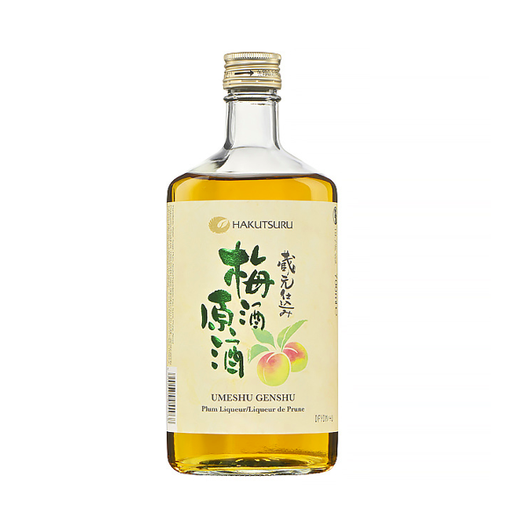
Why this choice suits this profile: With its 70 cl bottle and 19.70% ABV, this is an accessible introduction to Japanese liqueur. Enjoy it over ice, neat or in a cocktail.
The product page clearly states the Japanese origin, ume plums and apricot notes, rather than relying on a vague fruity promise.
Origin: Japan; bottle size: 70 cl; ABV: 19.70% vol.; versatile use.
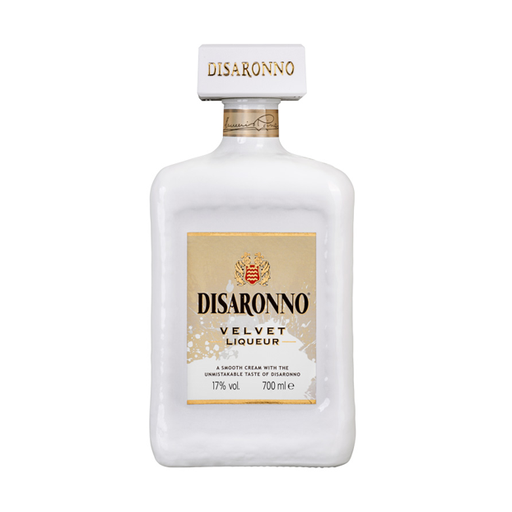
Why this choice suits this profile: Fans of silky textures will love this Italian liqueur at 17% ABV, with its notes of almond and vanilla.
The ingredients list almond essence, vanilla, caramelised sugar and milk: concrete details to help you anticipate the texture and identify allergens.
Origin: Italy; bottle size: 70 cl; ABV: 17% vol.; enjoy neat, over ice or in a cocktail.
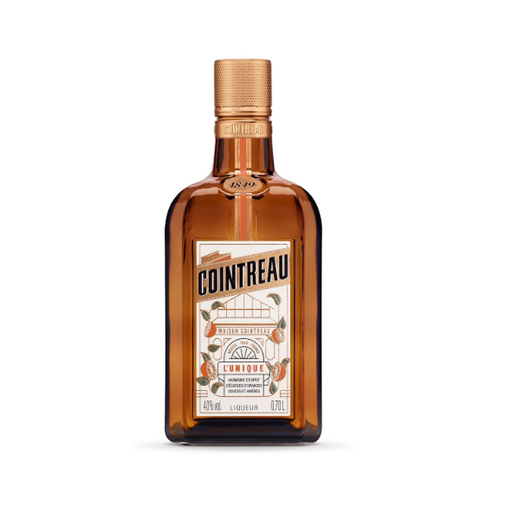
Why this choice suits this profile: Its citrus profile and 40% ABV make it a great base for anyone who regularly makes Margaritas, Cosmopolitans, Side Cars or other cocktails.
The product page specifies cocktail uses, the 70 cl bottle size and the main ingredients: alcohol, sugar and orange peel.
Citrus liqueur; 40% ABV; 70 cl; enjoy neat over ice or use as a base for many cocktails.
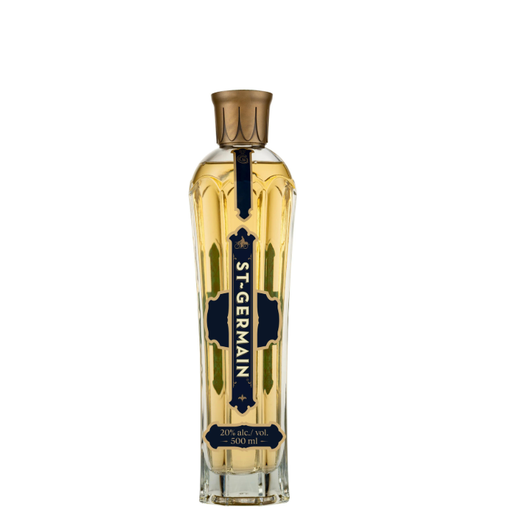
Why this choice suits this profile: This elderflower liqueur at 20% ABV brings an elegant floral note to cocktails and is also lovely for occasional sipping.
The product page states the presence of sulphites and recommends storing the bottle in a cool, dark place.
Bottle size: 50 cl; ABV: 20% vol.; floral profile; bottle particularly well suited to cocktails.
Fans of spiced rum might also want to look at Monpéyi options in guava, coconut, mango, lychee or pineapple. Isautier, meanwhile, offers combinations such as flambéed banana, ginger-lemon, vanilla or pineapple-vanilla-chilli. On the mint front, GET 27 comes in at 17.9% ABV in a 70 cl bottle. More herbal profiles include Jägermeister at 35% ABV, while Ricard lets you discover a Marseille pastis at 45% ABV in a one-litre bottle.
We've put together a full, real-time updated selection of products that meet these criteria as well as European safety regulations.
Start with a profile you already enjoy: fruit, citrus, mint, coffee, herbal or cream. An ABV between 17% and 20% vol. can be easier to get to grips with for a first tasting. Spirits intended for cocktails often have a higher alcohol content.
It all depends on the recipe. Classic liqueurs generally keep at room temperature, away from light and with the lid firmly closed. Creamy varieties or those containing juice may need to be refrigerated after opening. Always follow the manufacturer's recommendations and the information on the packaging.
No. A limoncello, coffee liqueur, herbal liqueur or spiced rum can all be enjoyed neat, over ice or with a dessert. Like all alcoholic drinks, however, they should be consumed in moderation. Alcohol is not recommended during pregnancy and sales are restricted to those aged 18 and over.