
Livraison le jour même ou le lendemain

Qualité garantie

Débloquez vos offres de bienvenue: Livraison GRATUITE | Jusqu'à -80 % | 30 jours d'essai gratuits à JoyPlus
Téléchargez l'application
The liqueur and aperitif aisle can be dizzying. Hundreds of colourful bottles promise the world: exotic flavours, sophisticated cocktails, and memorable evenings. But in this jungle, a poor purchase is always a risk. A beautiful bottle might hide artificial flavours, while another, bought for a single recipe, ends up gathering dust at the back of a cabinet.
Our mission? To help you cut through the noise. Let's forget the marketing jargon and focus on the real criteria that separate a great liqueur from a bottled disappointment. Follow this guide to find the gem that will truly earn its place on your bar and to avoid the most common traps.
Before falling for a beautiful label or a tempting promotion, keep these classic mistakes in mind—they often end in disappointment.
A few checkpoints are all you need to avoid these pitfalls. Most of the information can be found directly on the label.
This is the skeleton of the liqueur. Knowing its origin gives a crucial clue about its aromatic profile.
The way aromas are extracted and integrated into the spirit makes all the difference.
Sugar balances the alcohol and bitterness, but its level also defines the product's category.
To illustrate these criteria, here are a few reliable choices that meet different needs and profiles.
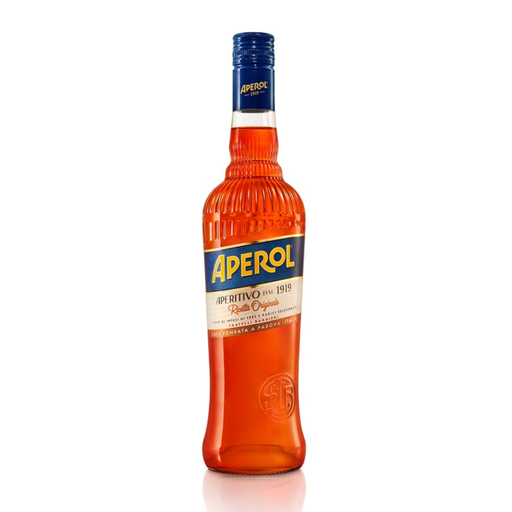
Why we chose it: The go-to for hosting without the hassle. Aperol is the base of the Aperol Spritz, an ultra-simple, refreshing cocktail that’s a crowd-pleasing way to kick off any evening. A true classic of the Italian-style aperitif.
It sidesteps the "single-recipe" trap. The Spritz is so popular and easy to make that the bottle is in no danger of gathering dust.
Its iconic recipe, unchanged since 1919, offers a perfect balance of sweetness and bitterness. The cocktail is foolproof.
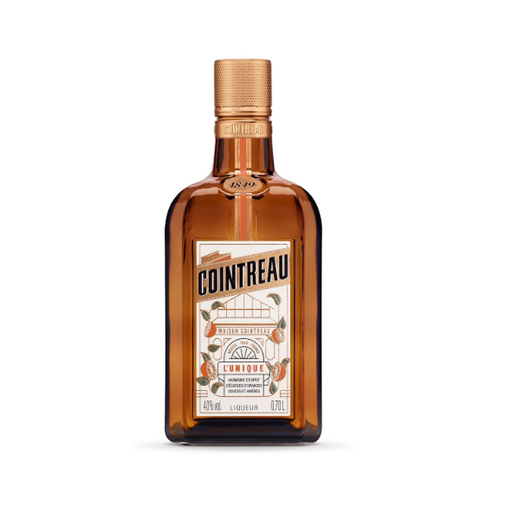
Why we chose it: For those looking to level up their mixology game, Cointreau is an essential cornerstone. This cocktail liqueur is at the heart of over 350 classic recipes, from the Margarita to the Cosmopolitan and the Sidecar.
It's the antithesis of a single-use purchase. Its versatility makes it one of the best investments for a home bar, opening the door to near-infinite creativity.
Its unique taste comes from a distillation of sweet and bitter orange peels. The result: a perfect balance of freshness, fruitiness, and zest, without being overpowered by sugar.
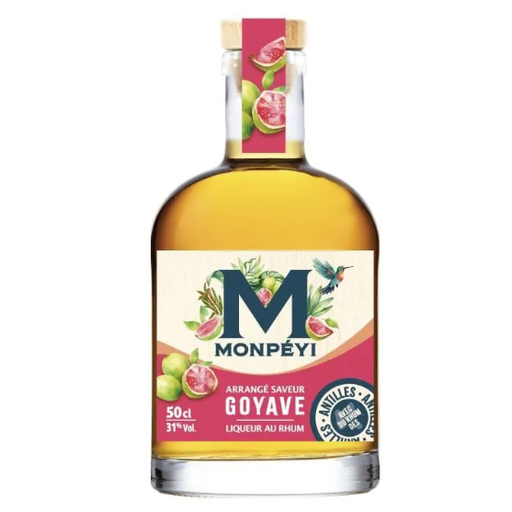
Why we chose it: Perfect for those who want to get off the beaten path. This guava infused rum is an invitation to the Caribbean, with its exotic and authentic notes. Excellent neat, on the rocks, or in a cocktail.
It avoids the synthetic flavour trap thanks to its agricultural rum base and natural flavourings, which preserve the complexity of the fruit and the warmth of the rum.
Its original aromatic profile allows you to create cocktails that will surprise your guests, while being balanced enough to be enjoyed on its own over ice.
We have put together a complete selection of products that meet our quality criteria and regulations.
Most alcohol- and sugar-based liqueurs can be stored for months, or even years, at room temperature and away from light. However, liqueurs based on cream, milk, or egg (like Baileys or Disaronno Velvet) must be kept in the refrigerator once opened and consumed within a few months. Always remember to check the label.
The difference is mainly in the sugar content, which is regulated. A liqueur must contain a minimum of 100 grams of sugar per litre. To earn the "crème" designation, this level must rise to at least 250?g/L, which explains their smoother texture and sweeter taste. The famous crème de cassis goes even further, with a legal minimum of 400?g/L.
Absolutely not. Versatility is often the hallmark of the great classics. Campari, for example, is a pillar of iconic cocktails like the Negroni (gin, sweet vermouth, Campari) and the Americano (sweet vermouth, Campari, soda water). Its characteristic bitterness is perfect for balancing cocktails and stimulating the appetite.