
Livraison le jour même ou le lendemain

Qualité garantie

Débloquez vos offres de bienvenue: Livraison GRATUITE | Jusqu'à -80 % | 30 jours d'essai gratuits à JoyPlus
Téléchargez l'application
A liqueur can be enjoyed neat, on the rocks, as an aperitif, a digestif or in a cocktail. But choosing a bottle online isn't simply a matter of glancing at the label. Between the aromatic promises, the available sizes and the sometimes very different alcohol percentages, a poorly thought-out selection can quickly turn an appealing purchase into a bottle that gathers dust.
A Japanese liqueur, French or Italian one doesn't necessarily have a taste clearly defined by its country of origin. That provides context, but it's the recipe that really shapes the final profile: macerated fruits, botanicals, citrus fruits, tea, sugar or neutral alcohol.
An umeshu, for example, is typically made from Japanese ume plums, whereas a limoncello relies on lemon zest or juice. So it's better to read the tasting description and the list of ingredients carefully rather than relying solely on the product name.
A bottle at 13 or 15% ABV can work well for light mixes or easy-drinking. Conversely, a liqueur at 35 or 40% ABV will make more of an impact in a cocktail, but will need to be measured out more sparingly.
The alcohol percentage alone doesn't predict sweetness or aromatic intensity. A fruit liqueur at 20% ABV can be very expressive, while a more alcoholic herbal liqueur will reveal a drier, more complex profile.
The 50 cl, 70 cl and 1 litre sizes aren't suited to the same drinking habits. A small bottle is ideal for trying a new brand or for an ingredient you use occasionally. The 70 cl size remains the most versatile for making cocktails regularly, while a litre can find its place in a household that often serves aniseed aperitifs.
Also check the storage instructions. Some bottles keep at room temperature, away from light, whereas others need to be placed in the fridge after opening. The information on the label and packaging is what counts.
Start by deciding how you intend to use it:
For drinking neat, look for a description that tells you about the texture, freshness, acidity and length on the palate. For mixology, choose a bottle with a profile that's pronounced enough not to disappear once mixed with other ingredients.
Compare the ABV percentage of different brands. A liqueur at 20% ABV, like some fruit creams, offers a good balance between smoothness and strength. More alcoholic bottles, such as Cointreau at 40% ABV or Jägermeister at 35% ABV, need adjusted proportions in a cocktail.
The sugar level isn't always presented consistently on product pages. When it is stated, it helps you better anticipate the final balance. Also think about the whole recipe: if your cocktail already contains a syrup or a sweet mixer, a very sweet liqueur risks making it cloying.
For buying liqueurs online in France, check the essential information before confirming your order:
Alcohol should be consumed in moderation. It is not advisable to drive after drinking. An opened bottle should also be properly resealed and stored according to the instructions on the label.
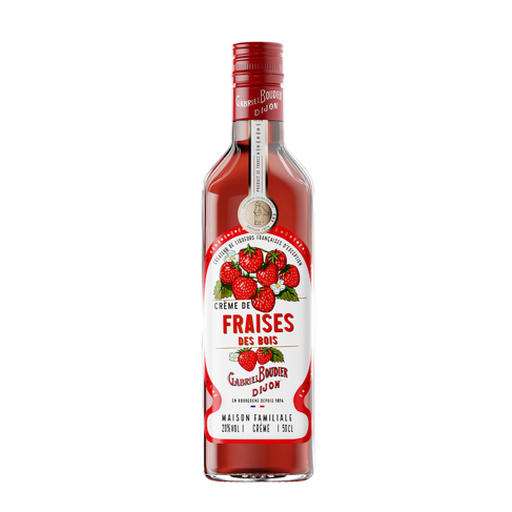
Why this choice suits this profile: Its 70 cl size and strawberry profile make it a versatile first bottle, perfect for serving on the rocks or adding to fruity cocktails.
The 20% ABV is clearly stated and the description specifies the macerated strawberry base. So the choice isn't based solely on the bottle's appearance.
Made in France, 700 ml, 20% ABV and no allergens stated on the product page.
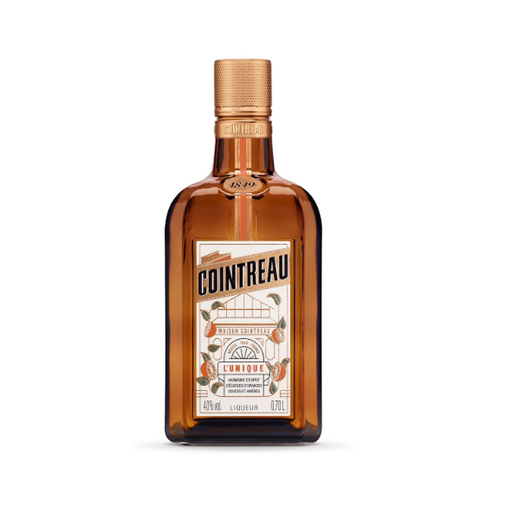
Why this choice suits this profile: This French orange liqueur is aimed at fans of classic cocktails and drinking on the rocks, with an ABV of 40%.
The type of citrus, the volume and the alcohol content are clearly identifiable, making it easy to measure for a Margarita, Cosmopolitan or Side Car.
Manufactured in Angers, 70 cl, 40% ABV and ingredients listed as alcohol, sugar and orange peels.
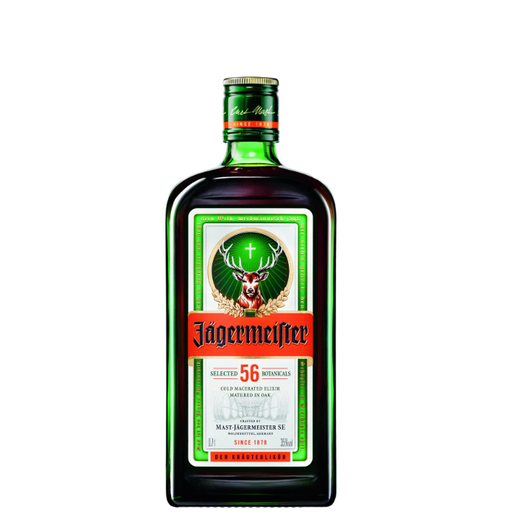
Why this choice suits this profile: Its herbal profile and 70 cl size suit those who enjoy digestifs, long drinks and cocktails that need a strong aromatic base.
The product page details the presence of 56 botanicals, flowers, roots and fruits, as well as possible uses, rather than just a vague aromatic promise.
35% ABV, 70 cl, store away from light and serving suggestions for on the rocks, in a long drink or in a cocktail.
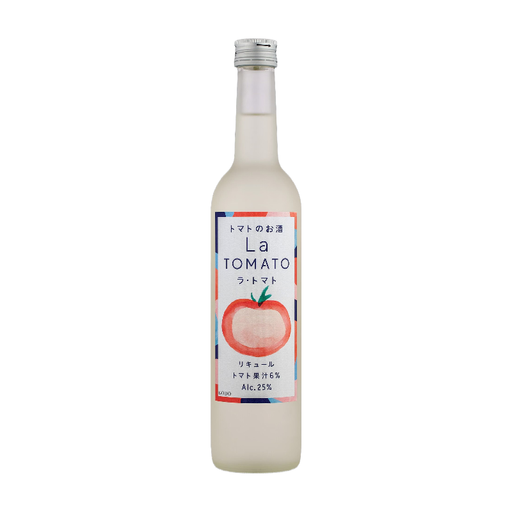
Why this choice suits this profile: This Japanese liqueur breaks away from classic profiles with its described notes of cherry tomato, green apple and lemony acidity.
The product page details the ingredients, the 25% ABV, the presence of celery among the allergens and the need to refrigerate after opening.
Made in Japan, 50 cl, 25% ABV, labelled as vegetarian and vegan friendly.
We've put together a comprehensive, real-time updated list of products that meet these strict selection criteria and European safety regulations.
For an aperitif, an orange, elderflower, yuzu or strawberry liqueur can be mixed with sparkling water, a sparkling wine or a spirit. Limoncello is usually served well chilled, whereas a pastis like Ricard is diluted with water, depending on personal preference.
After a meal, a mint liqueur, a herbal liqueur or an umeshu served on the rocks will suit those who enjoy aromatic drinks. Always serve small amounts and keep an eye on the alcohol content.
Not necessarily. Most bottles keep upright, in a cool, dark place at room temperature. However, check the product page and the label. For La Tomato Japanese Liqueur, refrigeration is recommended after opening, with consumption within three months.
It all depends on the recipe. An orange liqueur works well in tangy cocktails, an elderflower liqueur adds a floral touch, while an umeshu or yuzu liqueur complements fruity, fresh mixes. Remember to check the alcohol content so you can adjust the proportions.
The shelf life varies depending on the recipe, the amount of sugar, the alcohol content and the storage conditions. Seal the bottle carefully, protect it from light and follow the manufacturer's recommendations. An aromatic liqueur can gradually lose its freshness, even if its appearance remains unchanged.