
Livraison le jour même ou le lendemain

Qualité garantie

Débloquez vos offres de bienvenue: Livraison GRATUITE | Jusqu'à -80 % | 30 jours d'essai gratuits à JoyPlus
Téléchargez l'application
Fruity, floral, herbal, spicy or creamy, liqueurs offer an exceptionally wide range of flavours. That gives you plenty to enjoy, but can also make it difficult to choose between two bottles. The experience will be completely different depending on whether you opt for a light aperitif liqueur, a Japanese umeshu, a bold flavoured rum or an indulgent cream liqueur. The alcohol content and intended use also play an important role.
Before buying, keep three common pitfalls in mind:
The alcohol content affects how the liqueur should be served, how much to use and the role it plays in your recipes. A product containing around 12 to 20% ABV is easy to use in an aperitif or a light cocktail. Between 28 and 40% ABV, liqueurs generally offer more presence when enjoyed over ice or used in mixology.
The bottle size is also worth considering:
Read the description in light of how you intend to use the liqueur. A fruity liqueur with tangy notes will work well over ice or in a refreshing cocktail. A herbal liqueur or mint liqueur is more often enjoyed at the end of a meal. A cream liqueur with hints of cocoa, vanilla or almond is a natural accompaniment to coffee, dessert or a comforting drink.
The ingredients list helps you identify the elements that matter:
Terms such as ‘premium’, ‘historic recipe’ or ‘aromatic selection’ should be checked against concrete information: origin, ingredients, alcohol content, volume and serving suggestions.
A bottle intended to be enjoyed neat should not be chosen in the same way as a cocktail base. Check the manufacturer’s recommendations: serve chilled, over ice, in a long drink or mixed with other ingredients.
Once opened, a few precautions are essential:
Alcohol is for adults only. Drinking alcohol is not recommended during pregnancy or before driving. Serve sensible quantities and take the alcohol content of each recipe into account.
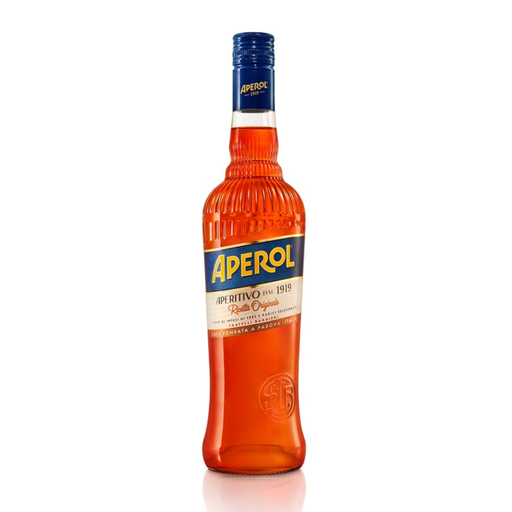
Why this choice suits this profile : its moderate alcohol content and recipe designed for Spritz make it very approachable for first attempts at home. Simply mix it with Prosecco, sparkling water, ice cubes and a slice of orange.
The product information specifies the Spritz proportions and alcohol content, so there is no need to prepare the recipe by guesswork.
Italian origin, 70 cl bottle, 12.5% ABV and ingredients listed as herbs, roots and fruit.
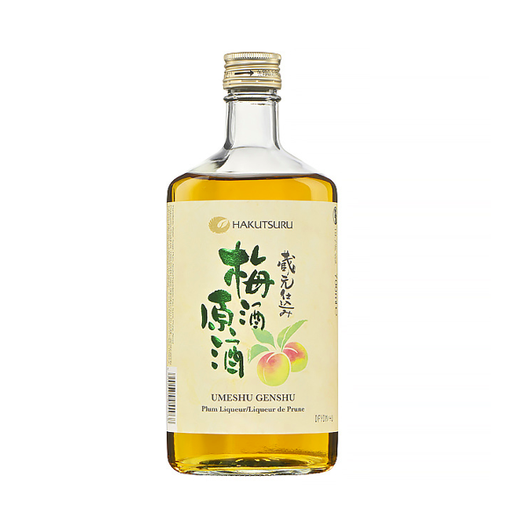
Why this choice suits this profile : this Japanese umeshu at 19.70% ABV showcases Japanese plum, with a fruity, gently sweet and tangy profile.
The origin, volume, alcohol content and serving methods — neat, over ice or in a cocktail — are clearly stated.
An undiluted umeshu in a 70 cl bottle, with an alcohol content of 19.70% ABV and a plum-and-apricot profile suited to several serving styles.
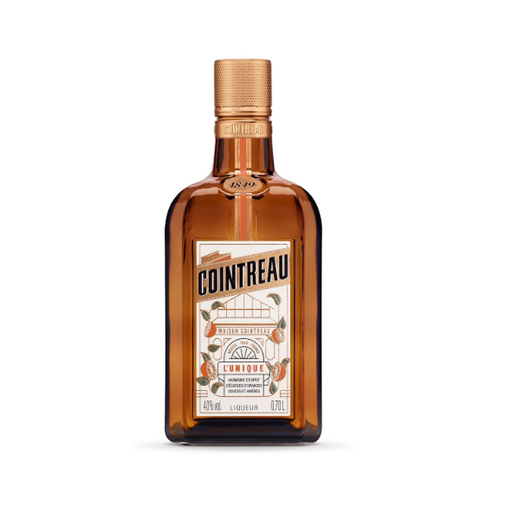
Why this choice suits this profile : its blend of sweet and bitter oranges, 40% ABV and uses in Margaritas, Cosmopolitans and Side Cars make it a reliable choice for a frequently used home bar.
The flavour profile and suggested recipes make it easy to check whether it matches your usual cocktails.
Sweet and bitter oranges, production in Angers as stated by the brand, 70 cl bottle and 40% ABV.
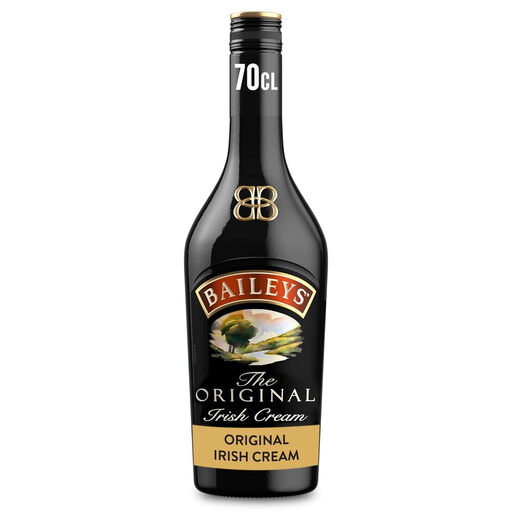
Why this choice suits this profile : its creamy texture, cocoa and vanilla notes, and serving suggestions over ice or in an Irish coffee will appeal to fans of indulgent liqueurs.
The presence of milk, nutritional values and storage instructions in a cool, dry place are clearly stated.
17% ABV, 70 cl, Irish whiskey, cream, cocoa and vanilla are all mentioned in the product information.
We have brought together a complete, real-time-updated selection of products that meet these exacting criteria and European safety requirements.
Fancy a taste of the tropics ? An exotic punch or pineapple, vanilla, ginger or passion fruit flavoured rum is best enjoyed chilled. Isautier products are available in 50 cl bottles, with alcohol contents ranging from 37 to 40% ABV. Dormoy products, at 18% ABV, focus in particular on coconut and passion fruit profiles. However, remember to check the ingredients and allergens in the product information.
Fans of refreshing flavours may want to try a mint liqueur such as GET 27, with an alcohol content of 17.9% ABV. For a more complex profile, an herbal liqueur such as Jägermeister contains 35% ABV and is made with 56 plants, flowers, roots and fruits, according to the brand. Those who enjoy floral notes will find plenty to like in ST-GERMAIN Elderflower Liqueur, made with elderflowers and containing 20% ABV.
Amaretto, meanwhile, is available in both classic and cream versions. Disaronno Originale contains 28% ABV, with almond and hazelnut notes described by the brand. At 17% ABV, Disaronno Velvet contains milk and combines almond, vanilla and chocolate flavours.
To begin with, choose a product whose alcohol content, proportions and ingredients are clearly stated. Aperol for a Spritz or Cointreau for citrus-based cocktails gives you a familiar recipe to start with, before gradually adjusting the quantities to suit your tastes.
Both are possible, depending on the liqueur you choose. An aperitif product such as Aperol or Ricard pastis is served before a meal. A mint or herbal liqueur, or a cream liqueur, is more suited to after-dinner enjoyment. If in doubt, follow the recommendations on the label.
It depends entirely on its composition. Liqueurs without cream can generally be stored at room temperature, away from light and tightly sealed. For an umeshu or cream liqueur, follow the instructions in the product information and on the packaging, including any refrigeration requirements after opening.