
Livraison le jour même ou le lendemain

Qualité garantie

Débloquez vos offres de bienvenue: Livraison GRATUITE | Jusqu'à -80 % | 30 jours d'essai gratuits à JoyPlus
Téléchargez l'application
Choosing a liqueur isn’t just about picking a pretty bottle or a high alcohol percentage. Between overly sweet recipes, flavour profiles that are tricky to mix into a cocktail, and bottle sizes that don’t match how much you actually drink, some purchases can quickly disappoint. Whether you’re buying for sipping, home cocktail making or as a gift, it’s worth considering a few concrete criteria before you order.
A liqueur at 30% or 40% ABV isn’t necessarily more flavourful than one at 13% or 18%. Alcohol content affects the mouthfeel, but the sugar, flavour extracts and base spirit all play an equally important role.
A liqueur for cocktails needs to hold its own after being diluted with soda, juice, sparkling wine or ice. On the other hand, a softer, lower-alcohol recipe can be far more enjoyable to sip neat.
A herbal liqueur, a fruit liqueur and a cream liqueur are not served the same way. A mint liqueur works beautifully with coffee or dessert, whereas an orange liqueur often serves as a base for cocktails. A creamy recipe may also need special storage conditions after opening.
Before you choose, ask yourself whether the bottle is for an aperitif, a digestif, cocktail making or sipping over ice.
A 70 cl bottle is ideal for regular use or a home bar. A 50 cl bottle can be a better choice for trying an unusual flavour without being left with a large volume you struggle to finish.
Also remember to check the allergens, storage conditions and any recommendations after opening. Some recipes contain milk, sulphites or celery. Alcohol is for adults only and is not recommended during pregnancy.
Start by deciding which flavour family appeals to you:
For a refreshing cocktail, citrus, fruit and floral notes generally pair well with sparkling drinks. Herbal and spicy recipes are better suited to quiet sipping or serving as a digestif.
Match the alcohol content to your intended use:
Alcohol content alone won’t tell you the sugar level. If you’re looking for a less sweet drink, look for descriptions that mention freshness, acidity or citrus.
The volume should match how often you drink it. A 70 cl bottle is practical for entertaining or regular cocktail making, while a 50 cl format reduces the risk of being stuck with an unusual recipe for months.
Take the time to read the ingredients list. Baileys Irish Cream 17%, for example, contains milk and components that give it its creamy texture. DORMOY Coconut Punch 18% also contains milk. Conversely, many fruit or Japanese liqueurs state they are allergen-free, but only the label on the product you buy is definitive.
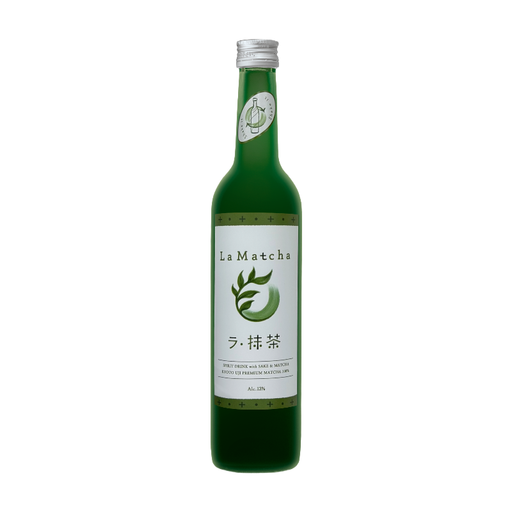
Why this suits this profile: With its 50 cl format and moderate ABV, it lets you discover an original Japanese liqueur without investing in a large bottle. Its vegetal, sweet notes fit easily into simple cocktails.
The product page clearly states the volume, alcohol content and absence of allergens, allowing you to compare the product on a clear basis.
13% ABV, 50 cl, blend of matcha green tea, distilled alcohol and water.
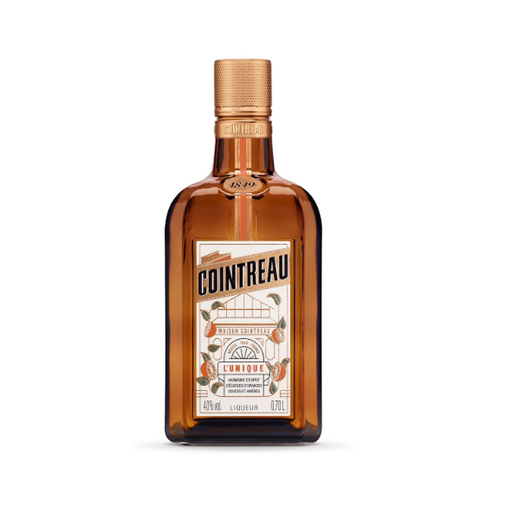
Why this suits this profile: This French orange liqueur is for those looking for a versatile bottle that works well neat over ice as well as in several classic cocktails.
Its cocktail uses are clearly documented and its ingredients list mentions alcohol, sugar and orange peel.
40% ABV, 70 cl, citrus profile and compatibility with the Cointreau Fizz, Margarita and Cosmopolitan.
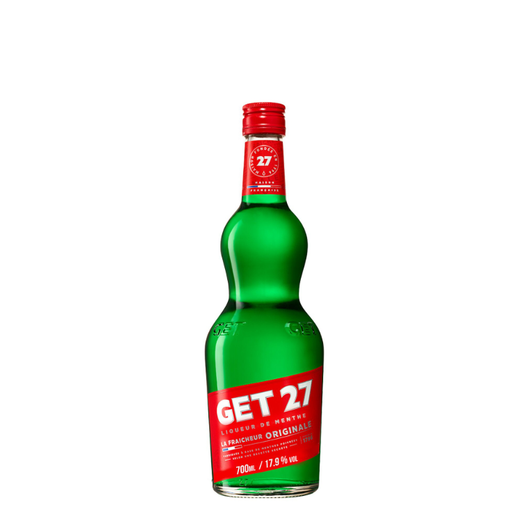
Why this suits this profile: Mint lovers can serve it well chilled after a meal, over ice or in mixes where they want a bold herbal note.
The 70 cl format suits regular consumption and the 17.9% ABV makes it easy to adjust your measures.
17.9% ABV, 70 cl, a recipe designed for after-dinner drinking and associated with the south of France.
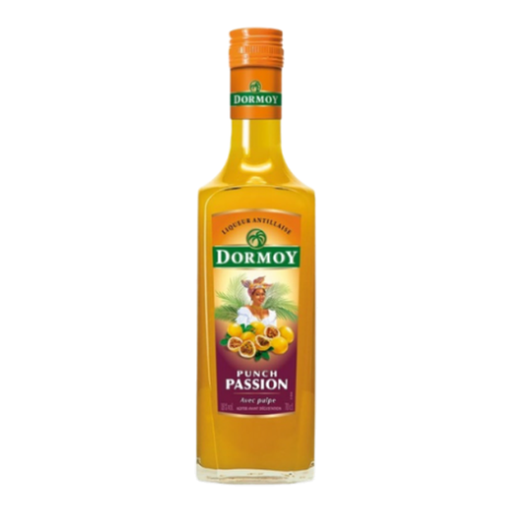
Why this suits this profile: This exotic punch is perfect for sociable aperitifs and tropical mixes served well chilled, especially when the bottle is being shared.
The ingredients list details the presence of rhum agricole, cane alcohol and concentrated passion fruit juice, without making misleading promises.
18% ABV, 70 cl, contains rhum agricole and passion fruit.
We’ve put together a full selection, updated in real time, of products that meet these criteria as well as European safety regulations.
For a digestif, go for mint, herbal, almond or creamy recipes. For an aperitif, Aperol pairs with Prosecco and sparkling water, following the proportions on its label. A Japanese plum liqueur, such as an umeshu, can be served chilled, over ice or topped up with sparkling water.
For making cocktails at home, citrus, lychee, matcha and passion fruit offer plenty of possibilities. Rhum arrangé with guava or lychee will appeal more to those who love island flavours and sweet profiles.
Most liqueurs can be stored at room temperature, away from light and with the lid tightly closed. Recipes containing milk or cream may need extra care. Always refer to the label and the manufacturer’s instructions.
Pastis is an aniseed-flavoured aperitif, usually higher in alcohol, that you dilute with water. A liqueur can be fruity, floral, creamy or herbal, and its uses vary depending on the recipe and alcohol content.
A 70 cl bottle is suitable if you make cocktails often or regularly entertain. For an unusual recipe, a 50 cl format reduces the risk of keeping a product for months that you won’t drink much. In all cases, alcohol should be enjoyed in moderation and purchase is for adults only.