
Livraison le jour même ou le lendemain

Qualité garantie

Débloquez vos offres de bienvenue: Livraison GRATUITE | Jusqu'à -80 % | 30 jours d'essai gratuits à JoyPlus
Téléchargez l'application
Dry lips, tightness, small cracks or simply a touch of colour: lip balm can meet very different needs. But you still need to choose the right product. A stick picked solely for its scent or pretty packaging can turn out to be uncomfortable, offer insufficient sun protection or irritate sensitive lips.
Before you head to the checkout, it's worth keeping three common pitfalls in mind:
For everyday use, go for a hydrating lip balm based on fats, waxes or shea butter. These ingredients help reduce the feeling of dryness and create a protective film on the surface of your lips.
If your lips are chapped, opt for a comfortable texture, without a warming or cooling effect if your skin reacts easily. A simple, fragrance-free care product, like the DHC Moisturizing Lip Cream Classic, can fit more easily into a daily routine. Still, remember to check the INCI list before buying, especially if you already know you have certain allergens.
For a hint of colour, a tinted lip balm and a hydrating lipstick give a more made-up look. On the flip side, the colour and shine usually need more touch-ups than a clear stick.
Your lips aren't spared by the sun, whether you're out for a walk, a trip to the beach or a stay in the mountains. The level of protection is chosen based on the environment and how long you'll be exposed:
The term "water-resistant" doesn't mean the product stays effective indefinitely. After swimming, a meal or drying your face with a towel, you need to reapply. Also follow the instructions on the packaging.
A lip stick slips easily into a bag or pocket and generally avoids getting your fingers in contact with the product. A pot, like an overnight lip mask, lets you apply a thicker layer before bed, but needs a bit more care when using.
Also check:
To give the illusion of volume, a plumping gloss can cause a feeling of warmth or tingling. This cosmetic effect shouldn't be mistaken for a repairing or hydrating action. Test the product on a small area and stop using it at the first sign of irritation.
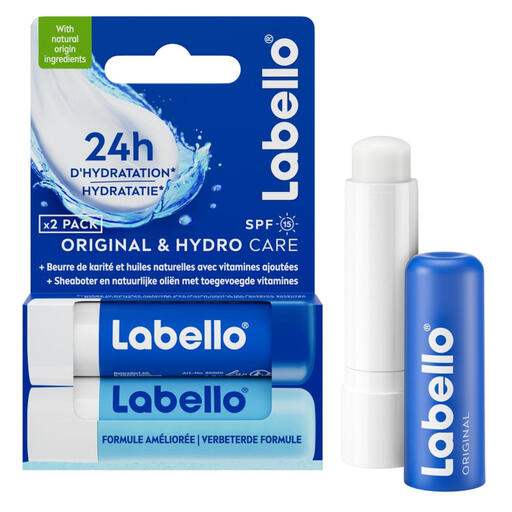
Why this choice suits this profile: This duo lets you keep one stick at home and another in your bag, with a classic version and a Hydro Care version that has an SPF 15.
The two uses are clearly separate: daily care on one side, light sun protection on the other. However, this duo isn't intended for intense exposure.
An easy-to-carry stick format, shea butter and natural oils listed in the ingredients, plus an SPF 15 on the Hydro Care version.
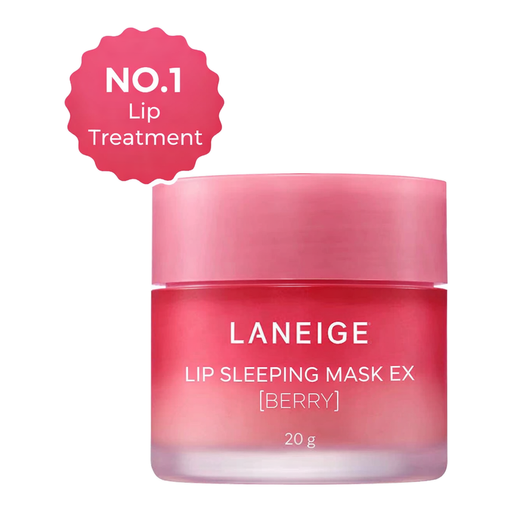
Why this choice suits this profile: With its 20 g and spatula, this mask is ideal for a more complete evening routine, when the stick used during the day is no longer enough.
This is a true overnight mask, not a sun balm or a make-up product to wear all day. Check for fragrance before using it.
A generous application in the evening, shea butter and sodium hyaluronate listed in the formula, plus a spatula included.
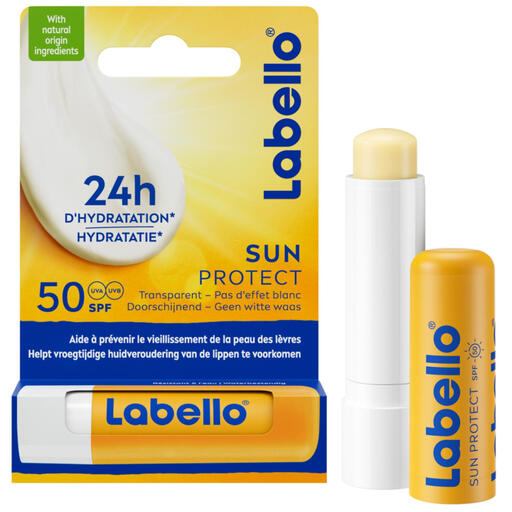
Why this choice suits this profile: Its SPF 50 is suitable for people who regularly do outdoor activities, as long as you reapply after meals, swimming or drying your face with a towel.
The level of protection is clearly stated. Its claimed water resistance doesn't mean you can skip reapplying or taking the usual sun precautions.
An SPF 50, a claimed melting texture and a formula enriched with natural oils and shea butter.
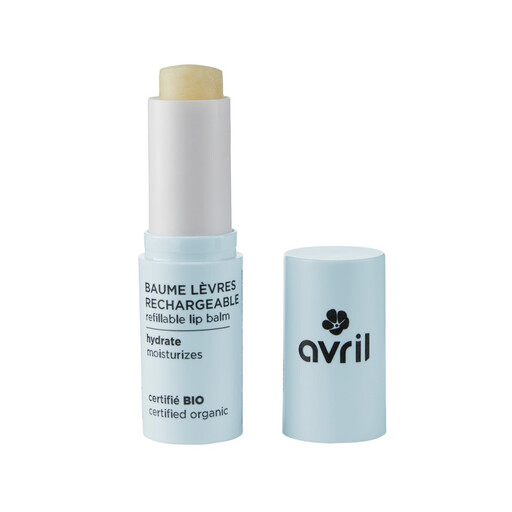
Why this choice suits this profile: Its refillable format and claimed manufacture in France appeal to those who want to avoid replacing the whole case every time.
The refillable claim comes with clear instructions: the stick must be rinsed and dried before inserting a new refill.
A formula claimed to be 100 % natural origin, made up of 26 % ingredients from organic farming, with a Cosmos Organic certification stated by the brand.
We've put together a complete, real-time updated selection of products that meet these demanding criteria, in line with European safety regulations.
Check the expiry date or the period after opening indicated on the packaging. Avoid leaving a stick in a car, in direct sunlight or exposed to high heat. If its smell, texture or colour changes, it's best not to use it anymore.
Yes, as long as its texture and ingredients suit you. When exposed to the sun, reapply regularly, especially after eating, drinking, swimming or wiping your lips. An SPF 15 doesn't offer the same level of protection as an SPF 50.
Start with a simple, comfortable formula, applied regularly. An overnight lip mask can complement your evening routine, while a fragrance-free stick is more practical during the day. If the discomfort persists, worsens or is accompanied by an unusual reaction, seek advice from a healthcare professional.