
Livraison le jour même ou le lendemain

Qualité garantie

Débloquez vos offres de bienvenue: Livraison GRATUITE | Jusqu'à -80 % | 30 jours d'essai gratuits à JoyPlus
Téléchargez l'application
Dry, chapped, tight-feeling lips… a discomfort we all know too well. Faced with a labyrinthine lip balm aisle, it's hard to know where to start. Between promises of intense hydration, tinted formulas, and organic labels, it's easy to feel lost. Our mission at Joybuy?is to help you see clearly and make an informed choice, beyond the often-misleading marketing claims.
Choosing a lip balm seems simple, but the path is riddled with pitfalls that often lead to disappointment.
To avoid these pitfalls, you just need to master a few key concepts.
Before you buy, take the time to analyse the ingredients list. This is the best way to guarantee you get a product that truly meets your needs.
An effective hydrating lip balm relies on a combination of three types of ingredients?:
Not all balms serve the same purpose. Identify your priority?:
For sensitive skin, a short ingredients list is often a safer bet. Be wary of long lists and known irritants like synthetic fragrances, camphor, or menthol. An organic lip balm can be an excellent option, provided its formula is well-designed and focused on the essentials: nourishing active ingredients.
To guide you, here are a few options that cater to different user profiles, based on the criteria we've just discussed.
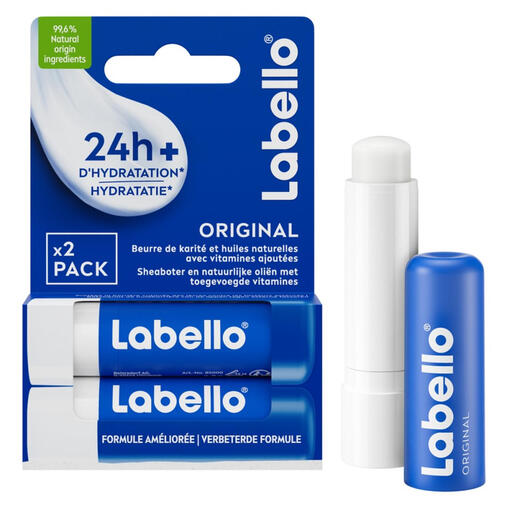
Why it's a perfect match : Perfect for anyone looking for simple, reliable, and budget-friendly daily care. Its duo format is ultra-practical : one stick for home, one for your bag.
It avoids the "mirage hydration" trap with its occlusive formula (shea butter, natural oils) that locks moisture into the skin for the long haul.
Iconic, vitamin-enriched formula. Melts onto lips without feeling sticky. Excellent value for money in a duo pack.
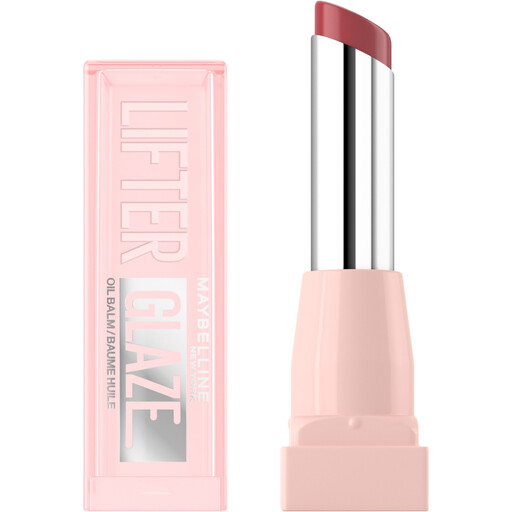
Why it's a perfect match : For those who want a touch of colour and shine without sacrificing care. It fuses the look of a gloss with the benefits of a balm.
It avoids the mediocre "all-in-one" pitfall by incorporating hyaluronic acid for deep hydration beneath a spectacular glossy finish.
Ultra-shiny, "glazed" effect finish. Subtle, buildable colour. Comfortable formula enriched with hydrating active ingredients.
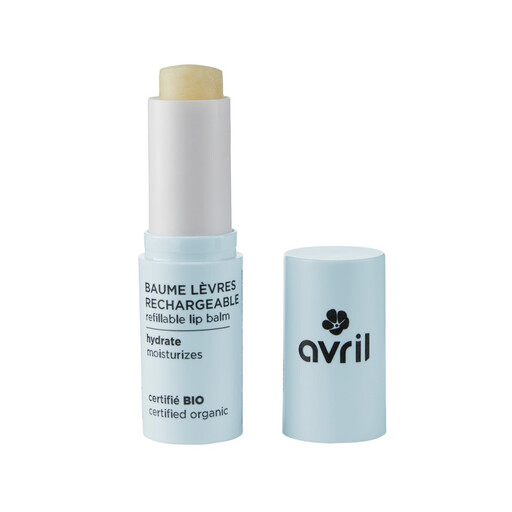
Why it's a perfect match : For those who prioritise certified organic formulas, natural ingredients, and sustainable packaging. A choice that aligns with more conscious consumption.
It goes beyond a simple "organic" label with a truly effective formula (shea butter, castor oil) and a refillable format that tangibly reduces waste.
Certified organic (Cosmos Organic). Refillable format (-64% plastic). 100% natural-origin and vegan formula.
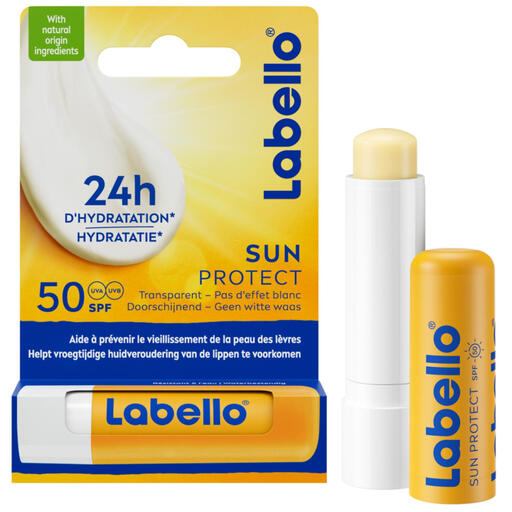
Why it's a perfect match : An essential for anyone who spends time outdoors. The ultra-thin skin on the lips is highly vulnerable to UV rays, making high protection non-negotiable.
This stick doesn't just offer a low SPF. It provides very high SPF 50 protection (UVA/UVB) while incorporating a hydrating shea butter base.
Very high SPF 50 protection. Water-resistant formula. Nourishing base with natural oils and shea butter.
Discover our full selection of products that meet our selection criteria and current regulations.
The two terms are often used interchangeably. In reality, lip stick refers to the solid, retractable tube format, which is ideal for on-the-go application. The term lip balm is more general?: it can come in a pot, a squeeze tube, or a stick. The difference is therefore more about the packaging than the formula.
It all depends on the condition of your lips and your environment. For maintenance, applying it morning and night is enough. If your lips are very dry or exposed to cold, wind, or sun, feel free to reapply whenever you feel the need. For an SPF lip balm, reapplying every two hours is essential during sun exposure.
Absolutely, if it has the wrong formula. As we've discussed, certain ingredients (phenol, menthol, camphor, fragrances, alcohols, etc.) can irritate or dry out lips over the long term, creating a real dependency. If you notice your lips are getting drier despite regular application, switch to a product with a cleaner ingredients list that focuses on gentle occlusives and emollients.