
Livraison le jour même ou le lendemain

Qualité garantie

Débloquez vos offres de bienvenue: Livraison GRATUITE | Jusqu'à -80 % | 30 jours d'essai gratuits à JoyPlus
Téléchargez l'application
Getting soft, hydrated lips should be simple, right? Not always. Choosing a lip balm can quickly become a headache. Faced with shelves overflowing with promises, it's easy to feel overwhelmed and often walk away with a disappointing product—or worse, one that aggravates the problem. As the Head of Product Recommendations at Joybuy, my mission is simple: to give you the tools to decode labels and make an informed choice.
Before we get to our top picks, let's review the most common traps that cause you to waste money and leave your lips wanting more.
To avoid falling into these traps, focus on a few key criteria. They will help you assess the true quality of a hydrating lip stick, far beyond advertising slogans.
An effective balm is, above all, a well-thought-out formula that combines three types of ingredients:
The secret to a great product is the balance between these three ingredient families to provide deep hydration and lasting protection. A well-formulated natural lip balm or organic lip balm will rely on high-quality plant-based occlusives and emollients.
Because everyone's lips are different, your choice should adapt to your daily life and priorities.
Here are a few products that meet distinct needs, in line with the criteria we've just discussed.
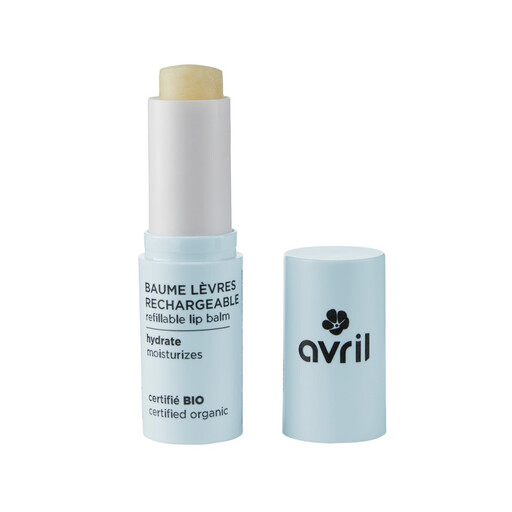
Why it's a match: Perfect for those who seek certified products and want to reduce their environmental impact. The bonus? It's French-made, a guarantee of quality and a short supply chain.
It goes beyond the simple "natural" label. Certified Cosmos Organic by Ecocert, it adheres to a very strict set of standards. Its refillable format directly tackles the problem of single-use packaging.
A 100% natural-origin formula (including 26% organic ingredients), enriched with shea butter and organic castor oil for intense nourishment.
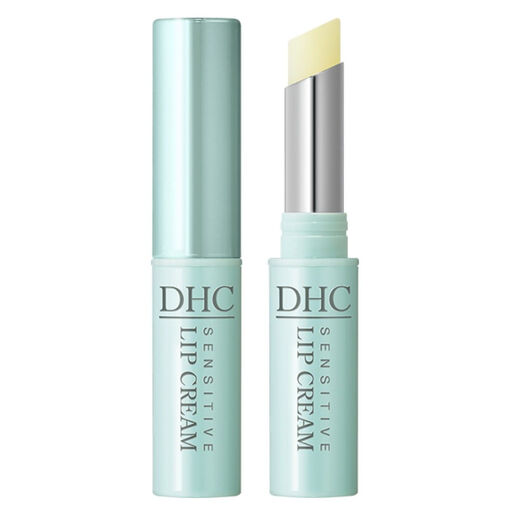
Why it's a match: Specially designed for delicate, reactive lips that can't tolerate conventional balms. It gets straight to the point: protecting and repairing, with no frills.
It does more than just hydrate the surface. The addition of ceramides helps restore the skin's protective barrier. Its fragrance-free, colourant-free, and paraben-free formula eliminates the main risks of irritation.
A high-tolerance formula designed for sensitive skin, with virgin olive oil and plant extracts to soothe and protect effectively.
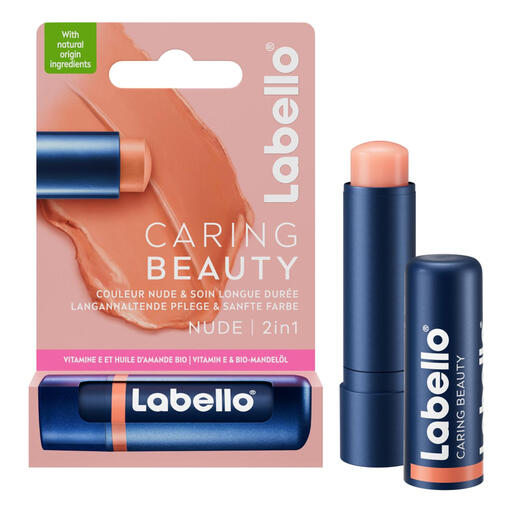
Why it's a match: The ideal ally for those who want a single product to do it all: hydrate, add a subtle hint of colour, and provide effective daily sun protection.
It sidesteps the gimmicky SPF trap by offering a genuine SPF 30. It provides a lovely nude colour without the drawbacks of a classic lipstick, which tends to be drying.
It combines natural colour, long-lasting hydration, and high sun protection. The perfect combo for every day.
We have curated a complete selection of products that meet our quality criteria and French regulations.
It all depends on the condition of your lips and your environment. For maintenance, applying it in the morning and evening is usually enough. If your lips are very dry or exposed to cold and wind, don't hesitate to reapply whenever you feel the need. For an SPF lip balm, reapplication every two hours is essential during sun exposure.
Yes, it's a paradox! Some balms can create a vicious cycle. Formulas with irritating ingredients (menthol, camphor, certain fragrances) can cause mild inflammation, which encourages you to apply more and more. A balm that only contains occlusive agents (which form a barrier) without humectants (which attract water) can also block hydration from getting in. That's why it's always important to check the ingredients list.
The term "natural" is quite vague and not regulated by law. It simply means the product contains ingredients of natural origin, with no guarantee on their percentage or quality. In contrast, an organic lip balm must be certified by an independent body (like Ecocert with the Cosmos label). This certification guarantees a minimum percentage of organic ingredients, a predominantly natural composition, and environmentally friendly manufacturing processes.