
Livraison le jour même ou le lendemain

Qualité garantie

Débloquez vos offres de bienvenue: Livraison GRATUITE | Jusqu'à -80 % | 30 jours d'essai gratuits à JoyPlus
Téléchargez l'application
Dry, tight, or downright chapped lips? It's a problem everyone faces, whether due to cold, sun, or simple temporary dehydration. The lip balm market is a veritable maze where it's easy to get lost among brand promises. But be warned, not all sticks are created equal. Worse, some can aggravate the very problem they claim to solve. To help you make the right choice, let's review the most common traps to avoid.
To make the right choice, focus on a few key criteria that determine a product's quality and suitability for your needs.
A restorative lip balm worthy of the name combines two types of ingredients:
For sensitive skin, simplicity is key: opt for short formulas without fragrance, colourants, or mineral oils (paraffin), which are sometimes poorly tolerated or comedogenic.
Sun exposure is one of the main causes of premature lip ageing (fine lines, loss of volume) and dryness. Using a lip stick with a sun protection factor (SPF?15 or higher) is a simple habit to maintain the health and youthfulness of your smile daily, even on cloudy days.
There's a balm for every need. Here is our selection for different profiles.
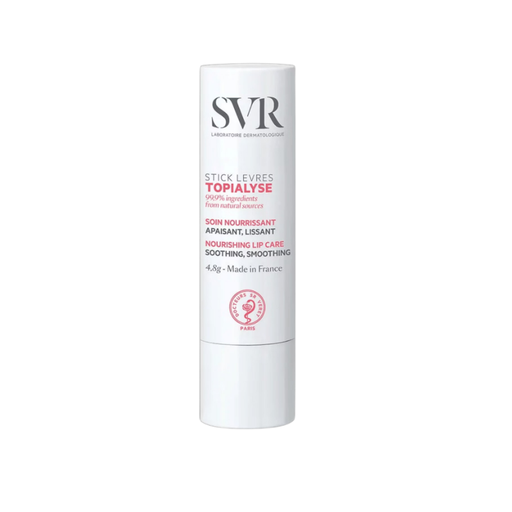
Why we chose it : The gold standard for very dry, sensitive, or damaged lips, including those affected by medical treatments. Its high-tolerance formula is designed to provide lasting repair and comfort, even in harsh weather conditions.
With an ultra-short list of 12 ingredients (99.9% of natural origin) and no mineral oils, it gets straight to the point and avoids superfluous or irritating components.
Its richness in omega-3, 6, and 9 allows it to form an invisible, non-sticky protective film for intense repair and lasting comfort.
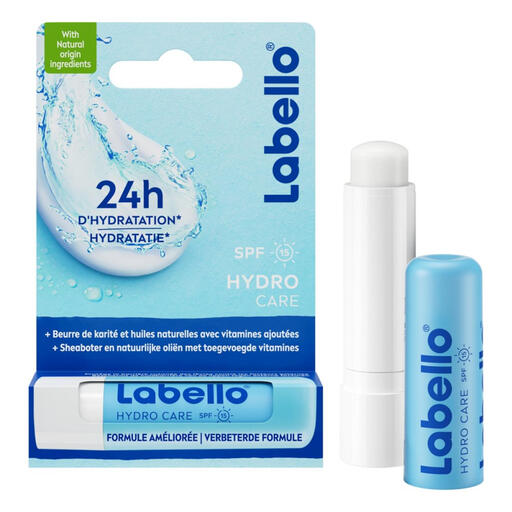
Why we chose it : A reliable and accessible classic for those who want simple and effective daily care. It checks both essential boxes: hydration and sun protection. The perfect companion to keep with you in any season.
No extravagant marketing claims here. It focuses on the essentials: moisturising (natural oils, shea butter) and protecting from the sun. This avoids the trap of an inflated price based on superfluous arguments.
The inclusion of an SPF 15 ensures daily UV protection. A detail that's often overlooked, yet crucial for lip health.
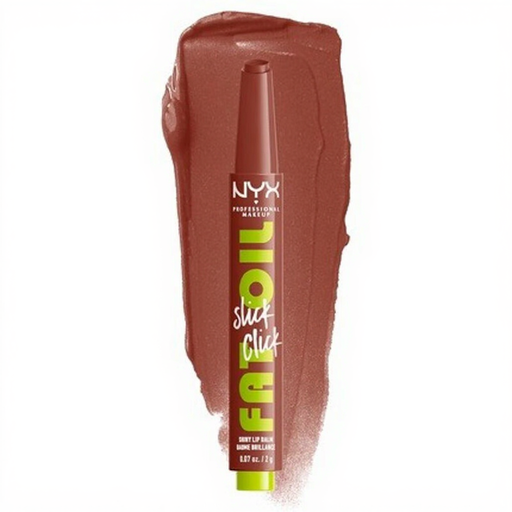
Why we chose it : The perfect ally for those who don't want to choose between care and makeup. This tinted lip balm offers buildable colour and a glossy finish without compromising on hydration.
Unlike many tinted balms that sacrifice care for colour, this one incorporates a cocktail of oils (avocado, raspberry, cloudberry) to ensure long-lasting hydration.
Its vegan formula provides intense colour and a non-sticky glossy finish, with hydration that the brand claims lasts up to 12 hours.
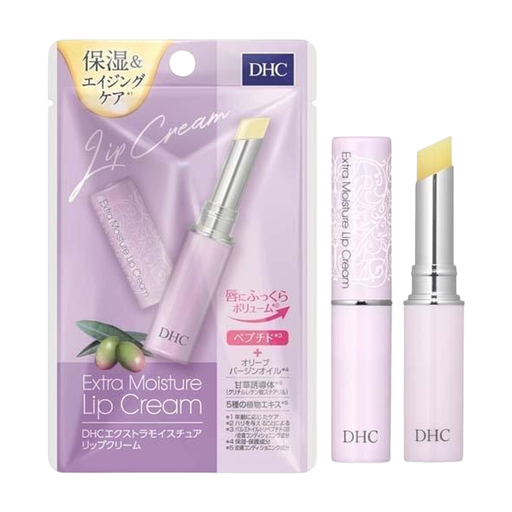
Why we chose it : For those who expect more from their balm than simple hydration and want to tackle the signs of ageing: fine lines, loss of volume, and lack of radiance.
Rather than relying on ‘miracle’ ingredients with questionable efficacy, it incorporates recognised anti-ageing actives like peptides (Palmitoyl Tripeptide-38), alongside a solid moisturising base of virgin olive oil.
Its formula aims to make lips visibly smoother and plumper thanks to a cocktail of 5 plant extracts and peptides. A targeted approach for premium lip care.
Explore our full selection of products that meet our strict selection criteria and current regulations.
The frequency of application depends on the condition of your lips and your environment. Generally, applying it in the morning (ideally with SPF) and once at night before bed is sufficient for basic maintenance. If you have very dry lips or are exposed to wind or cold, don't hesitate to reapply whenever you feel the need.
Absolutely. Some balms contain ingredients like phenol, menthol, or salicylic acid that can cause irritation or dryness in some people, creating a vicious cycle. If you notice your lips are drier despite regular use, check the ingredient list and switch to a gentler, more nourishing formula.
In everyday language, the terms "lip balm" and "lip stick" are often used interchangeably. To be precise, a lip stick refers to the format (the solid, retractable tube), while a balm refers to the product's texture and function (a creamy formula that soothes and moisturises). Most sticks contain a balm, but a balm can also come in a pot.