
Livraison le jour même ou le lendemain

Qualité garantie

Débloquez vos offres de bienvenue: Livraison GRATUITE | Jusqu'à -80 % | 30 jours d'essai gratuits à JoyPlus
Téléchargez l'application
Dry, chapped, tight-feeling lips? It's a common problem. To combat this discomfort, the lip balm market is overflowing with solutions. Yet, finding the right product can feel like an uphill battle. Between marketing promises and reality, it's easy to end up with a treatment that's ineffective, or even counterproductive. As a product expert at Joybuy, my mission is to help you decipher labels and identify the criteria that truly matter so you can make the right choice.
But before you make a purchase, let's review the common traps that could lead to buyer's remorse:
To avoid being swayed by marketing, focus on a few key points. Here are the three elements to examine to find the lip care that will deliver on its promises.
A truly effective hydrating lip balm is a sophisticated blend of ingredients. Look for a formula that combines:
The balance between these three ingredient families is the key to a truly comprehensive restorative lip balm.
Not all balms are created equal, nor do they address the same needs. Identify your priority:
The format also plays a key role in the user experience and the final look:
Here are a few options that stand out for their formulation and relevance, all while avoiding the common pitfalls.
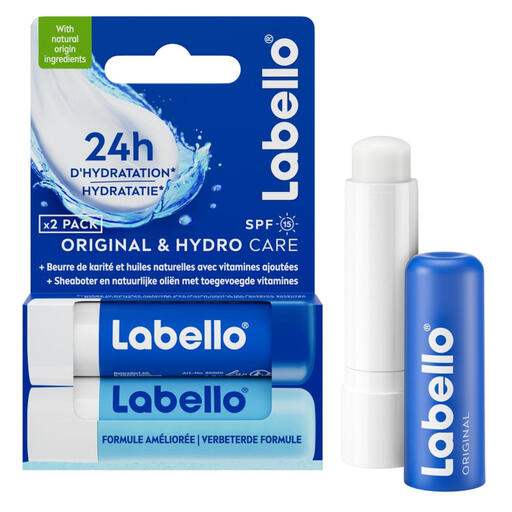
Why we chose it: This duo is the smart, cost-effective solution for complete daily care. It provides reliable base hydration for the day and essential sun protection for outdoor activities.
It counters the "illusion of hydration" trap by combining natural oils and shea butter (emollients) with waxes (occlusives), ensuring both nourishment and protection. The Hydro Care stick adds welcome sun protection (SPF 15).
The duo format offers excellent value and practical versatility: one stick for home, and another with SPF for when you're out and about.
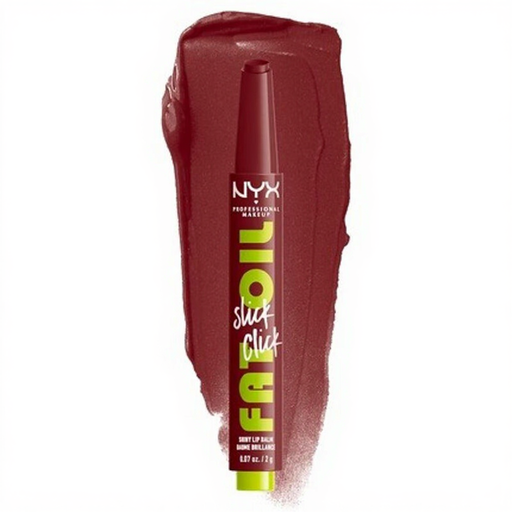
Why we chose it: The perfect 2-in-1 product for those who want the colour of a lipstick, the shine of a gloss, and the comfort of a balm. Ideal for an effortless, fresh, and polished look.
It avoids the "all-cosmetic" trap by building on a genuine care-focused base. Its formula is enriched with avocado, raspberry, and cloudberry oils for long-lasting hydration, proving that a tinted lip balm can also be an excellent treatment.
Its colour is buildable, and its glossy finish is non-sticky. The formula is also vegan, a bonus for ingredient-conscious consumers.
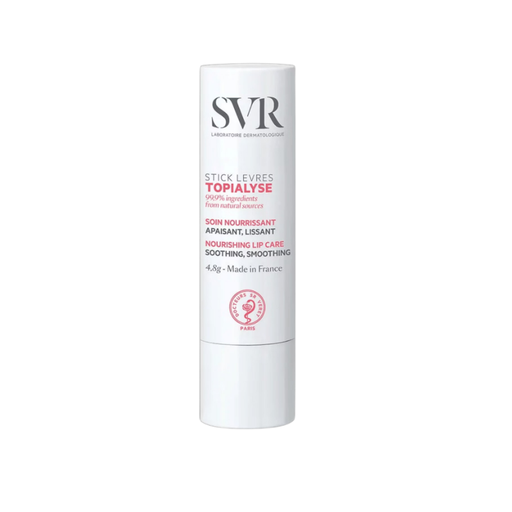
Why we chose it: This is the SOS treatment for lips that can't tolerate anything else, demanding maximum restorative efficacy from an ultra-clean formula. Perfect for reactive skin.
It avoids the "natural" mirage by offering a minimalist (only 12 ingredients) and transparent formula, made with 99.9% ingredients of natural origin that are carefully selected for their high tolerance. It is free from mineral oils and fragrances.
Its strength? A high concentration of Omegas 3, 6, and 9 from plant-based oils, giving it powerful nourishing and restorative properties. It forms an invisible, non-sticky protective film.
Explore our full selection of products that meet these demanding criteria and current regulations.
The main difference lies in the texture and finish. A classic lip balm, often in a stick, has a waxier, more solid texture designed to form a durable protective barrier. A lip oil is liquid and lighter. It absorbs quickly to nourish while leaving a very shiny, gloss-like finish, but without the stickiness. It all depends on the desired effect: a matte, protective finish (balm) or a glossy, nourishing finish (oil).
Absolutely, and it's a habit worth adopting. The skin on the lips is extremely thin and has almost no melanin, the pigment that protects skin from UV rays. This makes it particularly vulnerable to sun damage, which can cause premature ageing (fine lines), dark spots, and chronic dryness. Using an SPF lip balm of 15 or higher daily is a simple step to preserve the health and youthfulness of your lips, even on cloudy days.
Yes, paradoxically, some balms can perpetuate dryness. There are several reasons for this: