
Livraison le jour même ou le lendemain

Qualité garantie

Débloquez vos offres de bienvenue: Livraison GRATUITE | Jusqu'à -80 % | 30 jours d'essai gratuits à JoyPlus
Téléchargez l'application
The timeless appeal of a linen duvet cover is undeniable. Its naturally wrinkled look, unique texture, and the promise of cosy nights make it a star in the bedroom. But be warned: with this popularity comes a rise in marketing traps and quality disappointments. Before you invest, it's crucial to know how to decode the labels to make a truly sustainable purchase.
This guide breaks down the key things to watch out for and the objective criteria to examine when choosing THE bedding set that will live up to all its promises of comfort, style, and longevity.
The bed linen market is full of tempting offers, but not all are created equal. Here are the most common pitfalls that can turn a dream into a disappointment.
For an informed choice, there's no secret: you need to focus on a few technical criteria that make all the difference in the quality and durability of your bed linen.
The choice of fibre is absolutely crucial for comfort.
Getting the size wrong is a classic mistake. For a 2-person bedding set, common sizes are:
Pro tip: Always measure your duvet before buying. Dimensions can vary slightly from one manufacturer to another.
A coloured duvet cover should retain its vibrancy wash after wash. The quality of the dye is therefore essential. Here, the Oeko-Tex Standard 100 label is your best ally: it guarantees a textile free of any harmful chemical substances. It's a mark of safety for your skin, but also a sign of more responsible manufacturing.
Rather than an endless list, we've matched products to user profiles. The goal: to help you find that perfect gem that truly fits your lifestyle and priorities.
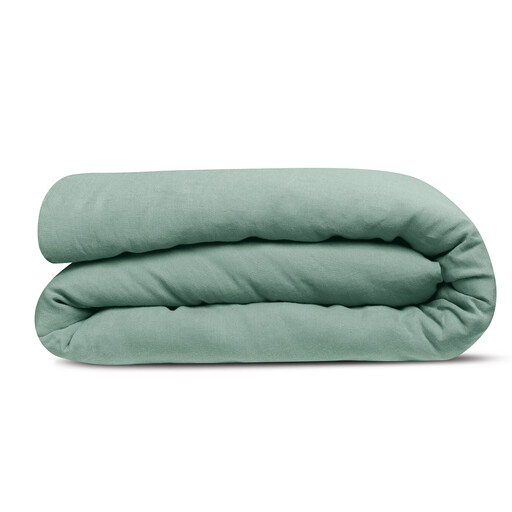
Why we chose it: Ideal for anyone seeking a sustainable alternative to linen. Hemp is a naturally eco-friendly fibre, less resource-intensive to cultivate. This cover offers an authentic sensory experience and an uncompromising environmental commitment.
It sidesteps the greenwashing trap by relying on 100% hemp, a material with proven environmental benefits, for total transparency about its composition.
Natural thermoregulating and hypoallergenic properties. It softens with each wash for comfort that deepens over time.
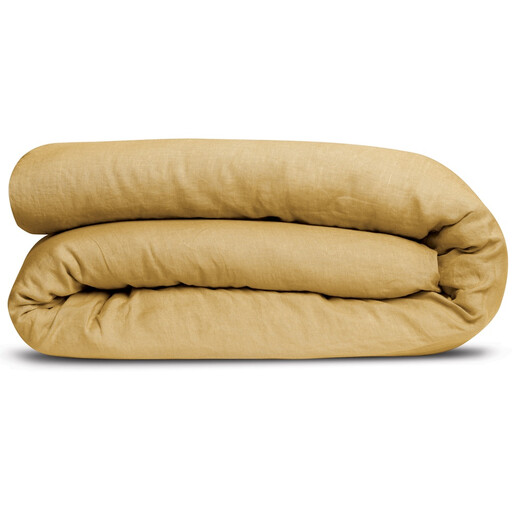
Why we chose it: Perfect for those who love the look of linen but want a softer feel from the very first night. The pure linen front offers an authentic look, while the cotton reverse ensures instant softness against the skin.
It avoids the "fake linen" pitfall by clearly stating its dual-material construction. You get the look of linen and the comfort of cotton, with no false promises.
The best of both worlds: the style and breathability of linen, combined with the softness and easy care of cotton. Its Gold hue adds an instant touch of warmth.
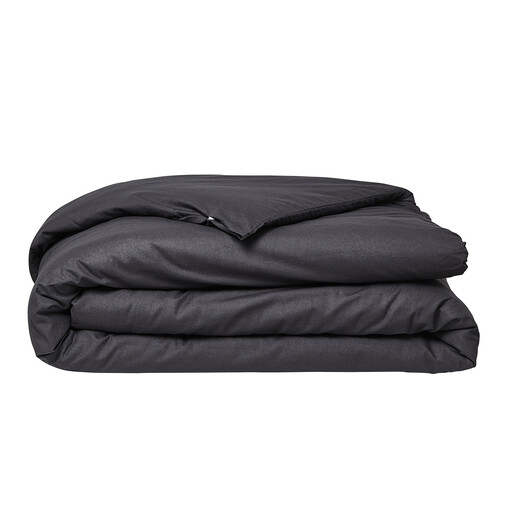
Why we chose it: For those who prioritise quality, easy maintenance, and a controlled budget. This 100% quality cotton, Oeko-Tex certified duvet cover is a reliable choice: a durable and dependable option that doesn't sacrifice comfort.
It avoids the low-quality finish trap by featuring a tight weave of 57 threads/cm? and an Oeko-Tex certification. These are objective guarantees of quality and safety at a fair price.
Excellent value for money. The 100% cotton is breathable, soft, and ultra-easy to care for (washable at 60°C).
We've curated a comprehensive, up-to-date selection of products that meet our strict selection criteria and high standards.
Does a linen duvet cover get softer over time? Yes, and that's one of its most beloved qualities. With each wash, the linen fibres relax, making the fabric increasingly soft and pleasant against the skin, without ever losing its durability.
How do I care for a linen duvet cover to preserve its colour and texture? Machine wash it at 40°C with a mild detergent and similar colours. Avoid bleaching agents. Air-drying is ideal for preserving the fibres, but a low-heat tumble dry is also possible. There's no need to iron it: its naturally wrinkled look is part of its charm.
Is linen really suitable for all seasons? Absolutely. Linen is a hollow fibre that acts as an unparalleled natural thermal regulator. In summer, it allows air to circulate and wicks away moisture for a cool feeling. In winter, it insulates and retains body heat, providing cosy comfort. It's a smart material that simply adapts to you.