
Livraison le jour même ou le lendemain

Qualité garantie

Débloquez vos offres de bienvenue: Livraison GRATUITE | Jusqu'à -80 % | 30 jours d'essai gratuits à JoyPlus
Téléchargez l'application
A lined A6 hardcover notebook slips easily into a bag, a pouch or a large pocket. It’s just as handy for students taking notes in class as it is for professionals jotting down ideas in meetings, not to mention journaling enthusiasts, list-makers and anyone who loves to write spontaneously. But behind polished photos and flattering descriptions, certain details can make all the difference.
Before you place an order, take the time to check the quality of the cover, the paper weight and how useful the included accessories really are. Here are the criteria to examine so you don’t end up with a notebook that’s bulky, unpleasant to use or quick to wear out.
The A6 format measures approximately 10.5 × 14.8 cm. It strikes a good balance between a compact size and enough writing surface. That said, not all notebooks labelled “pocket” have exactly the same dimensions. Always check the measurements given by the seller to make sure the notebook will fit in your briefcase, handbag or desk drawer.
A format that’s too compact can quickly limit your lists and paragraphs. On the other hand, a larger notebook may become cumbersome for everyday travel.
When carried every day, a hardcover notebook protects its pages better than a softcover one. However, the term “premium” isn’t subject to any specific standard. Instead, look for a concrete description, such as PU leatherette, rigid cardboard, fabric or a laminated finish.
PU leatherette generally offers a uniform look and a pleasant feel, but it remains sensitive to moisture, heat and repeated friction. A decorative cover will never replace a construction suited to the intended use.
The number of pages alone isn’t enough to judge the quality of a lined notebook. Paper that’s too thin can let ink show through on the reverse side, especially with a fountain pen or felt-tip pen. For versatile use, 100 gsm paper is a good benchmark to compare against papers of 70 or 80 gsm.
Also examine the binding and how the notebook opens. A model that stays stubbornly closed will be less comfortable for taking notes quickly or writing on the move.
An A6 notebook is perfect for short ideas, reminders, appointments or an undated diary. If you plan to write in it regularly, check its total capacity. The Jubiluu model featured here contains 80 sheets, i.e. 160 pages, enough to keep your notes in one place without having to use multiple notebooks.
The hardcover is especially suited to those who often write away from home. It provides a more stable writing surface and protects the pages inside a bag. On the downside, it usually adds a few grammes compared to a softcover.
Paper weight refers to the weight of the paper per square metre. However, it alone doesn’t predict how it will behave with all types of ink. An off-white offset paper of 100 gsm can feel more substantial and more pleasant than a lightweight paper. For note-taking, also choose lines that are clearly visible but not too tightly spaced.
If you’re considering a bullet journal, lined pages will work best for text, simple tables and lists. For diagrams or more freeform layouts, a blank or grid notebook is often more suitable.
Three accessories can make a notebook more practical for daily use:
These features are handy, but they also add small parts that can snag. Handle them with care and keep the notebook out of reach of children under 3 years old.
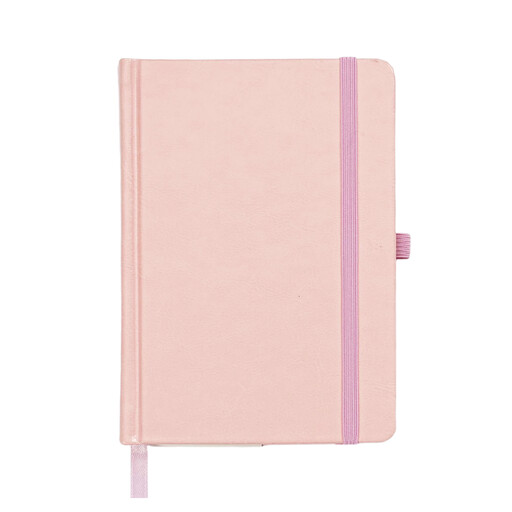
Why this choice suits this profile: This compact notebook brings together the essential features for starting journaling, jotting down ideas or making daily lists, without needing to buy accessories separately.
The stated format is indeed A6, approximately 10.5 × 14.8 cm. The product page also specifies 80 sheets and 100 gsm lined offset paper.
A PU hardcover, an elastic closure, a ribbon bookmark and an integrated pen holder.
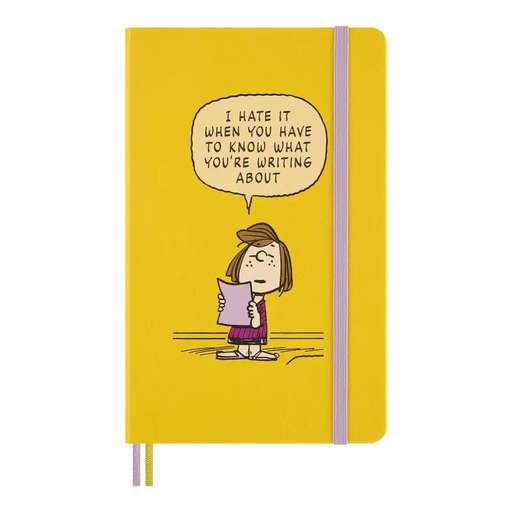
Why this choice suits this profile: This edition is aimed at those who appreciate quality finishes, visual identity and thoughtful storage details, in a notebook built to last.
The product page details 100 gsm lined ivory paper, two ribbon bookmarks, an elastic closure and a 180° flat opening.
A matt black hardcover, an expandable inner pocket, stickers and acid-free FSC-certified paper, according to the product page.
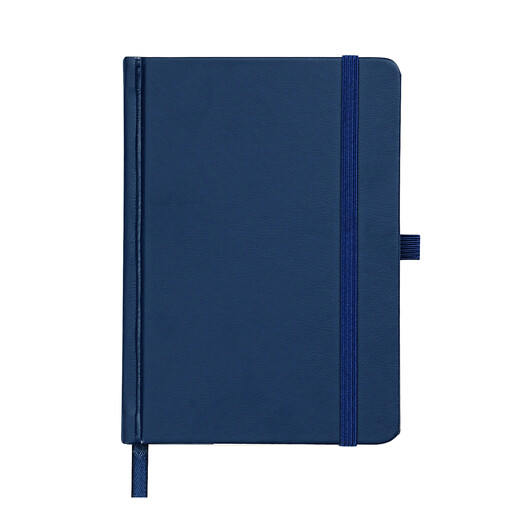
Why this choice suits this profile: Its configuration suits those who switch between professional notes, reminders and creative ideas while on the move.
The hardcover and elastic closure protect the pages during transport, while the pen holder keeps your writing tool within easy reach.
160 pages, 100 gsm off-white offset paper, ribbon bookmark, elastic closure and pen holder all in an A6 format.
We’ve put together a comprehensive, real-time updated list of products that meet these selection criteria and comply with European safety regulations.
To keep a PU leatherette notebook in good condition, wipe the cover with a soft, slightly damp cloth and then let it air dry. Avoid harsh chemicals, standing water and prolonged exposure to direct sunlight. Don’t pull sharply on the elastic band and don’t force the binding open.
The notebook’s lifespan depends on how many pages you fill, how often you use it and the conditions it’s carried in. A separate pouch can help reduce friction from keys and other metal objects.
Yes, for reminders, summaries and short lists. For very detailed lectures, an A5 format will give you more space and stop you from filling up the pages too quickly.
It can feel more pleasant and reduce show-through compared to lighter paper, but the result depends on the ink and nib you use. Always test on a page before writing on both sides.
The A6 format describes the notebook’s dimensions. An undated diary describes its internal organisation: it can contain lined pages with no pre-set calendar. It’s therefore ideal for irregular writing, with no pressure to fill a page every day.