
Livraison le jour même ou le lendemain

Qualité garantie

Débloquez vos offres de bienvenue: Livraison GRATUITE | Jusqu'à -80 % | 30 jours d'essai gratuits à JoyPlus
Téléchargez l'application
A white mark on your taps, a dull toilet bowl, or a machine that's starting to smell – these issues don't always call for the same limescale remover. Yet packaging is full of competing promises: universal action, instant results, or long-lasting protection. The risk is picking a formula that's wrong for the surface or appliance you're treating.
A limescale spray designed for a shower screen or tiles isn't meant to run through a washing machine, dishwasher, or coffee maker. These appliances need a formula and instructions that are compatible with their internal components.
A washing machine descaler or dishwasher descaler is typically used on an empty cycle, at a specific temperature and programme. For a coffee machine, check compatibility with your model and follow the manufacturer's recommendations.
Claims like "99.9%" or "100%" can refer to a marketing promise, a specific use, or a particular testing method. They don't let you compare two products directly. Instead, look at the target surface, dwell time, whether rinsing is needed, and the precautions listed on the label.
Limescale doesn't behave the same way on a glass screen, natural stone, metal, or a ceramic toilet bowl. Acidic products can attack certain delicate surfaces. Testing on an inconspicuous area is an essential precaution, especially on marble, fragile grout, untreated metals, and decorative finishes.
For everyday bathroom cleaning, a limescale-removing spray is handy on shower screens, basins, and taps. It's best for recent deposits, soap scum, and water marks.
For thicker build-up, a descaler gel clings better to vertical surfaces and gives the product more time to work. Just be careful not to leave it on longer than recommended. For the toilet, choose a toilet descaler with a nozzle that reaches easily under the rim.
A 750 or 800 ml bottle is usually fine for regular bathroom cleaning. For appliances, single-dose sachets can be more convenient as they save you measuring out the right amount. Compare the total quantity and number of treatments, rather than just the bottle price.
For example, SUN Classic dishwasher cleaner contains 3 sachets of 40 g, totalling 120 g. The Wpro DES616 offers 6 sachets of 50 g, each sachet being one treatment as per the instructions provided.
Before you buy, always check:
Acid-based formulas can be corrosive or irritating. Keep bottles out of reach of children and follow the manufacturer's instructions carefully.
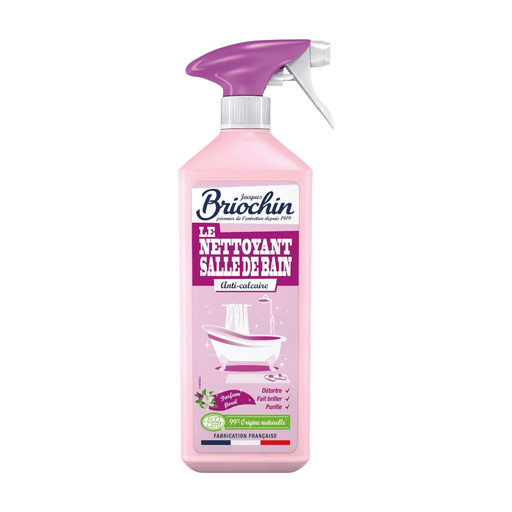
Why this suits this profile: Its 750 ml spray format is ideal for regular cleaning of tiles, basins, baths, and shower screens, without needing multiple products.
The description clearly states the intended surfaces and recommends a patch test on delicate materials, reducing the risk of application errors.
Promises action against limescale and soap scum, with 99% naturally derived ingredients according to the product listing.
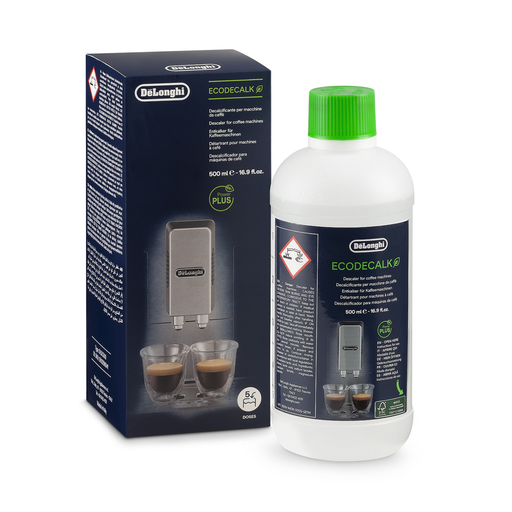
Why this suits this profile: Owners of a De'Longhi espresso machine can choose a solution designed for this range of appliances, following the manufacturer's descaling programme.
The dose is clearly stated in the instructions: 100 ml per treatment, followed by a rinse cycle.
A 500 ml bottle promises five treatments, made with plant-based lactic acid according to the product information.
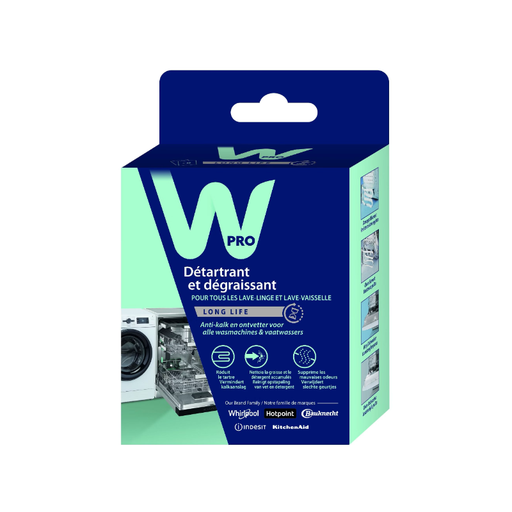
Why this suits this profile: With six single-dose sachets, this format is ideal for households that regularly maintain their washing machine or dishwasher.
It specifies which appliances it's for and recommends an empty cycle at 60°C, without detergent, fabric softener, or any other cleaner.
Promises action against limescale, internal residue, and odours, with a 50 g dose per treatment.
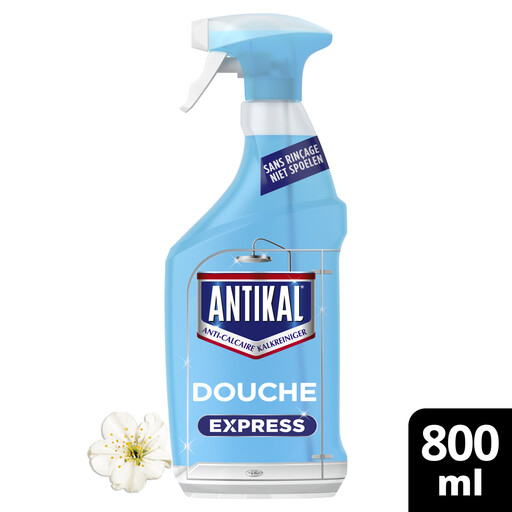
Why this suits this profile: Its spray format and no-rinse application fit easily into a post-shower routine, on glass, tiles, and taps.
The listing specifies which materials to avoid, including marble, natural stone, and untreated metals. A patch test on a small area is still recommended.
Spray-on application, immediate wipe-off, and a 500 ml bottle designed for shower surfaces.
We've put together a comprehensive, real-time updated list of products that fully meet these strict selection criteria and European safety regulations.
Choose a coffee machine descaler that's compatible with your brand and the appliance's programme. Follow the dilution, cycle, and rinse instructions. Never pour a bathroom cleaner into the water tank.
The frequency depends on your water hardness, how often you use the appliance, and the manufacturer's recommendations. Some products suggest a monthly treatment, while SUN Classic cleaner recommends use every two months. An empty cycle doesn't replace cleaning the filter, seals, and detergent drawers.
Some sprays are formulated for frequent use, but always check the permitted surfaces and whether rinsing is needed. To reduce marks, wipe the surface after application and ventilate the room. Never mix different products, even if each seems suitable on its own.