
Livraison le jour même ou le lendemain

Qualité garantie

Débloquez vos offres de bienvenue: Livraison GRATUITE | Jusqu'à -80 % | 30 jours d'essai gratuits à JoyPlus
Téléchargez l'application
In the esports arena, victory often comes down to the slimmest of margins. A millisecond of latency or a single gram of excess weight, and it's game over. For FPS players, choosing a lightweight wireless gaming mouse is no longer a luxury, but a true strategic asset. To help you find the perfect mouse to elevate your playstyle, we've broken down the essential criteria and selected the most promising models on the market today.
Before diving into our top picks, let's review the features that separate a standard mouse from a true competitive weapon to help you find your ideal high-performance wireless mouse.
The crucial factor for an ultralight mouse? Inertia. By dropping below the 60-gram mark, you gain movement speed, facilitate reflexive aim adjustments (the famous flick shots), and significantly reduce wrist fatigue after hours of play. For a wireless mouse for FPS player, this agility translates directly into increased responsiveness—a decisive advantage on the virtual battlefield.
Under the hood, two elements are crucial: the optical sensor and the connection technology. Here's a quick glossary to get you up to speed:
Running out of battery mid-clutch? Unthinkable. A gaming mouse with long battery life is therefore a prerequisite. Current models easily last for tens, or even hundreds, of hours. Ergonomics, on the other hand, is a highly personal but equally crucial matter. The shape of the mouse must perfectly fit your grip (palm, claw, or fingertip grip) to ensure flawless comfort and control.
Here are a few gems that stand out for their technical specifications and designs built for victory.
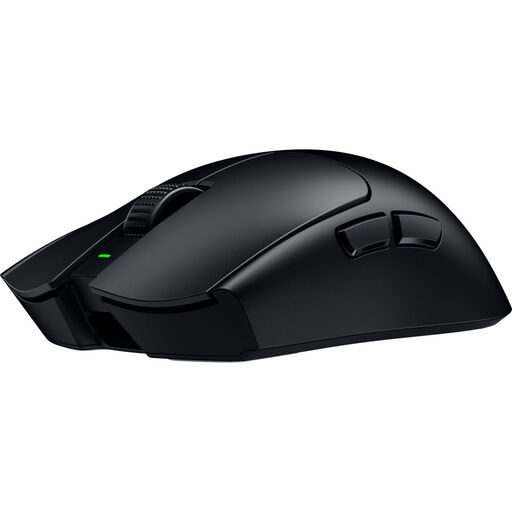
Developed with esports pros, and you can feel it the moment you pick it up. Its balance is perfect, and its 54?g weight is ideally distributed to combine speed and control. Its Razer Focus Pro Gen-2 optical sensor, one of the most advanced on the market, ensures surgical precision tracking on any surface, even glass.
Pros:
Who is it for? Competitors and esports professionals looking for a proven performer—a cutting-edge model that offers the perfect balance of lightness, precision, and responsiveness.
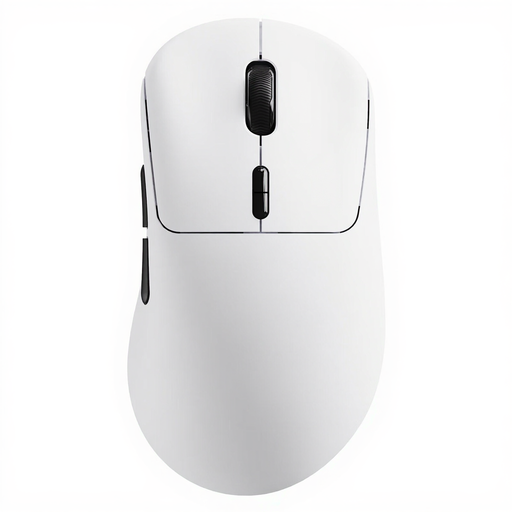
The RAPOO VT3 makes its mark with a killer feature: its record-breaking battery life. Thanks to its ultra-efficient Nordic chip, it can last up to 750 hours! It's also one of the few to feature a native 8000?Hz wireless polling rate without an additional dongle, delivering simply stunning responsiveness.
Pros:
Who is it for? Gaming marathoners who never want to think about charging their mouse again, and tech enthusiasts eager to experience 8000?Hz without breaking the bank.
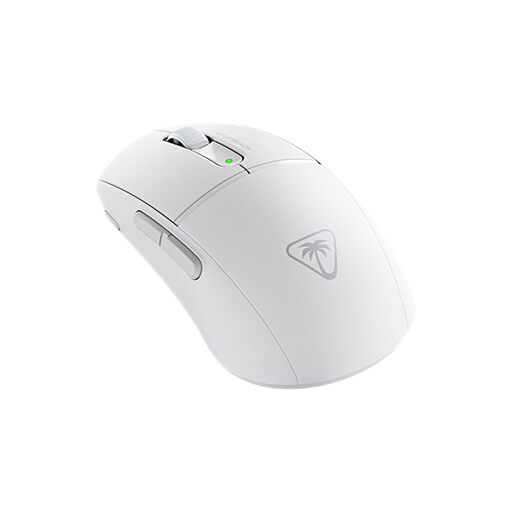
Weighing in at just 47?g, the Burst II Air is a true featherweight and one of the lightest mice on the market. Everything here is designed for pure speed. Its dual wireless connectivity (2.4?GHz for gaming, Bluetooth for everything else) adds welcome versatility, while its 120-hour battery life provides peace of mind.
Pros:
Who is it for? Fans of extreme lightness, for whom every gram counts. It's the ideal ultralight gaming mouse for those who bet everything on the speed of their reflexes. The Bluetooth is a welcome bonus for taking it on the go.
Our champions today are tailored for FPS games, which means a minimalist design with few buttons to maximise lightness. But for MMO or MOBA fans, an army of thumb shortcuts is often essential.
If you need more macros to cast your spells and manage your abilities, take a look at our selection of gaming mice with four or more side buttons. You're sure to find what you're looking for there.
Not necessarily. While lightness promotes speed and large arm movements, some players prefer a slightly heavier mouse for greater stability during micro-adjustments. Ultimately, it's a matter of personal preference and playstyle.
Absolutely. Modern 2.4?GHz wireless technologies have reached a level of performance where their latency (typically 1?ms) is indistinguishable from a wired connection. There's a reason why most pros have already cut the cord.
A high DPI means the sensor is very precise and can detect minute movements. It's an excellent indicator of the quality of the internal mechanics. In practice, no one uses the maximum settings. Players set their mouse to a moderate value (often around 800?DPI) and fine-tune the sensitivity directly within their games.