
Livraison le jour même ou le lendemain

Qualité garantie

Débloquez vos offres de bienvenue: Livraison GRATUITE | Jusqu'à -80 % | 30 jours d'essai gratuits à JoyPlus
Téléchargez l'application
In esports, every millisecond is crucial. FPS and MOBA veterans know it well: responsive and precise gear can make all the difference. In this arsenal, the lightweight wireless gaming mouse has established itself as the essential weapon for optimising movement, reducing fatigue, and boosting agility.
But faced with a jungle of models and lengthy spec sheets, making the right choice can be tough. This guide is here to shed light on the matter with clear, objective selection criteria, helping you find the mouse that matches your ambitions without drowning you in marketing jargon.
Before diving into our selection, let's review the key points to check to ensure you make the right decision.
In fast-paced games, mouse weight is a non-negotiable criterion. An ultralight gaming mouse, often weighing under 60 grams, allows for quicker movements and wide sweeps without strain. This lightness also reduces wrist and arm fatigue during long sessions—a major advantage for FPS marathoners who play game after game.
A mouse's performance primarily depends on its optical sensor and connection. Here's a quick glossary to help you understand:
Battery life was long the Achilles' heel of wireless mice. Today, it's no longer an issue: a long-life battery mouse can last for tens, or even hundreds, of hours on a single charge. Most pro gaming mice models offer dual connectivity (2.4 GHz for gaming, Bluetooth for office work) and allow you to keep playing in wired mode while charging, thanks to a flexible and lightweight USB-C cable.
Now for our selection of models that stand out from the crowd with their technical specs and performance-driven DNA.
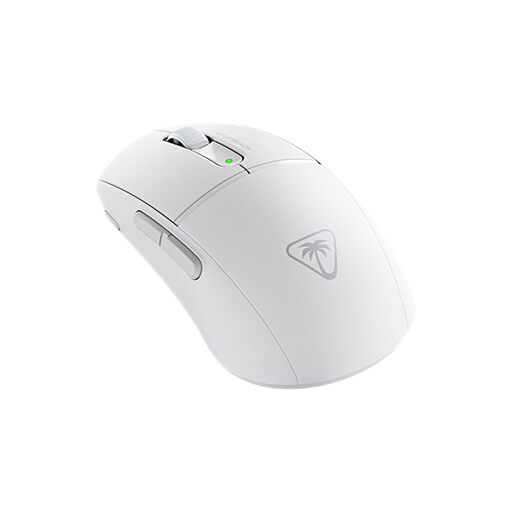
Why it stands out: At 47 grams on the scale, the Burst II Air takes the concept of lightness to its extreme. It is aimed at gamers seeking pure speed without any compromise. Its optical switches guarantee lightning-fast responsiveness.
Key features:
Who is it for? For competitors, especially in fast-paced FPS games, who are looking for absolute lightness for devastating flicks and micro-adjustments.
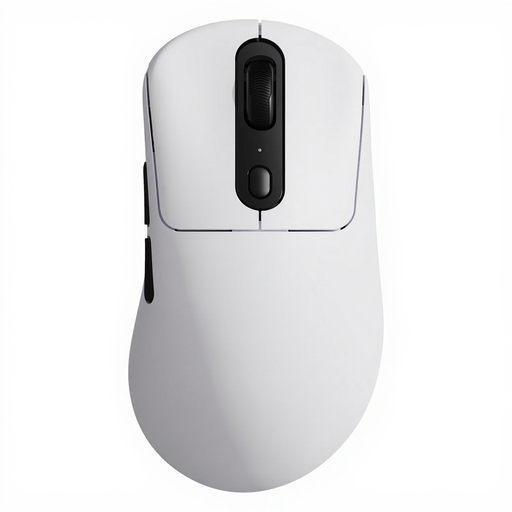
Why it stands out: This model hunts down latency with a polling rate that climbs to a record-breaking 8000 Hz wirelessly. Paired with a next-generation sensor, it promises esports-level responsiveness for the most demanding players.
Key features:
Who is it for? For players obsessed with the lowest latency on the market, who want a high-performance mouse armed with the best sensor for surgical precision.
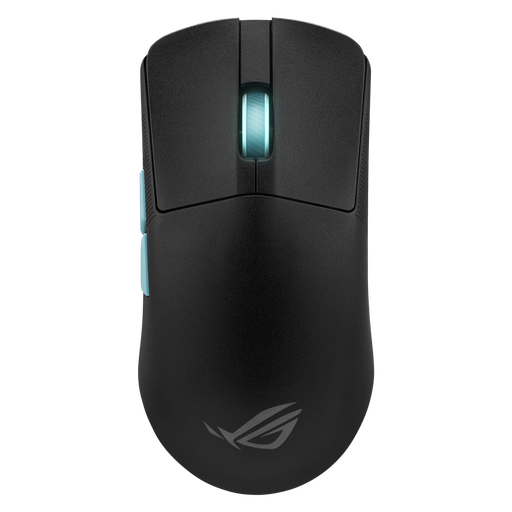
Why it stands out: Born from a collaboration with the experts at Aim Lab (the famous aim training software), this mouse features a unique software function. The "Aim Lab Settings Optimizer" tool analyses your playstyle to suggest the perfect sensitivity and DPI settings for you.
Key features:
Who is it for? For methodical players who love to analyse and optimise their performance. It's a true coach that combines cutting-edge hardware with software assistance to help you improve.
The choice of a mouse remains highly personal, a matter of grip and style. If aesthetics are as crucial to you as performance, take a look at our selection of white mice with side buttons. There you will find a varied range to find the perfect gem that will perfectly match your setup.
A mouse is generally considered lightweight if it's under 75 grams. Models designed for competition, often called ultralight gaming mice, frequently drop below 60 grams. This featherlight weight facilitates quick movements and reduces fatigue over time.
Absolutely. Modern wireless technologies, especially via a 2.4 GHz connection, can achieve response times of 1 ms (1000 Hz) or less. In-game, this performance is strictly identical to that of a wired mouse. The responsiveness is the same, with the added freedom of movement.
Not anymore. Most current pro gaming mice models boast a comfortable battery life, often exceeding 80 hours in 2.4 GHz mode. Even better, fast charging via USB-C allows you to get several hours of gameplay from just a few minutes on a break. Enough to ensure you never run out of power.