
Livraison le jour même ou le lendemain

Qualité garantie

Débloquez vos offres de bienvenue: Livraison GRATUITE | Jusqu'à -80 % | 30 jours d'essai gratuits à JoyPlus
Téléchargez l'application
For a competitive gamer, every millisecond and every gram counts. The quest for a lightweight wireless gaming mouse isn't a whim, but a search for the perfect tool—one that translates intent into action with absolute fidelity. A snagging cable, a weight that slows movement, or perceptible latency can be the difference between victory and defeat, especially in fast-paced shooters like FPS games.
In this guide, we break down the essential criteria to consider and present a selection of models that excel on the esports scene. The goal: to arm you with the right information to choose the high-performance gaming mouse that truly matches your playstyle.
The market is a jungle of ever-more-impressive spec sheets. To cut through the noise, focus on these three key points.
An ultralight gaming mouse, which typically weighs under 60 grams, reduces wrist and arm fatigue during long gaming sessions. It allows for swifter movements and faster aim adjustments—a major advantage in FPS games. Ergonomics are just as crucial: the shape of the mouse must match your grip style (palm, claw, or fingertip grip) to ensure optimal comfort and control.
On the technical side, two features are at the heart of performance.
Wireless means battery. A gaming mouse with long battery life will save you the frustration of running out of power mid-game. Be sure to check the manufacturer's stated battery life in 2.4 GHz mode, the gold standard for gaming thanks to its low latency. The inclusion of Bluetooth or a wired mode is a real bonus for versatility.
We've scoured the market to select three models that stand out for their technical specifications and pure performance focus.
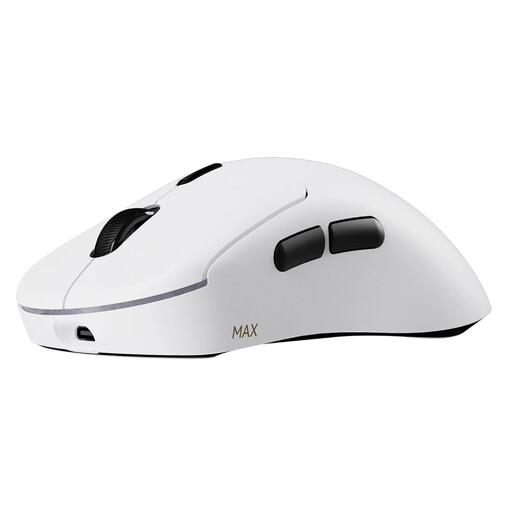
Why it stands out: The RAPOO VT3 MAX makes a strong impression with two key numbers: a feather-light weight of 53 grams and a record-breaking battery life of up to 750 hours at 1000 Hz. It also integrates native 8K wireless technology, ensuring top-tier responsiveness without needing a special dongle.
Key features:
Who is it for? For the gamer who hates recharging and is looking for an ultralight mouse with numerous customizable buttons (ideal for MOBAs or MMOs), without compromising on pro-level gaming mouse performance for FPS games.
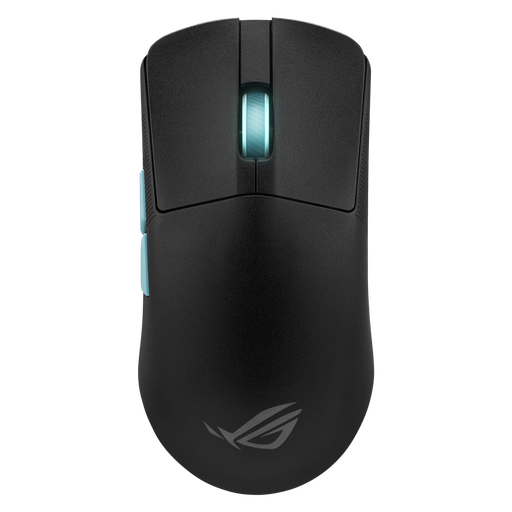
Why it stands out: Born from a collaboration with Aim Lab, this mouse is a personal performance coach. Its Aim Lab Settings Optimizer feature analyzes your playstyle to suggest the perfect settings. A unique approach to tangibly improve your precision.
Key features:
Who is it for? For the competitive FPS player who wants to optimize every detail of their performance. If you already use Aim Lab or are looking for a more scientific approach to improve, this mouse is an ideal choice.
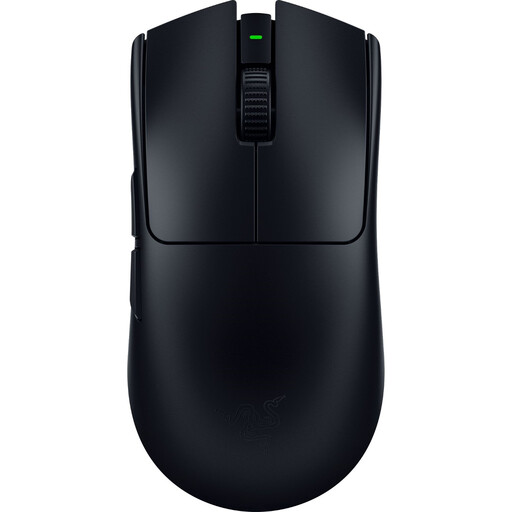
Why it stands out: The Razer Viper V3 Pro is the culmination of a lineage of mice built for esports. It combines a weight of 54 grams with Razer's cutting-edge technologies, like the Focus Pro Gen-2 optical sensor and HyperPolling wireless technology, which pushes the polling rate up to 8000 Hz.
Key features:
Who is it for? For the gamer who trusts top-tier esports brands and seeks a wireless gaming mouse with zero compromises on responsiveness and precision. A reliable choice for the most demanding FPS players.
The models in our selection emphasize lightness and raw performance. If you have more specific needs (a particular shape, a different button layout, etc.), other excellent options exist. To explore a wider catalog, feel free to browse our dedicated category for wireless gaming mice with two side buttons.
Reduced weight means less inertia. In practical terms, this allows you to start, stop, and change direction faster and with less effort. For games that require large, sweeping arm movements (like FPS games played at low sensitivity), a lightweight mouse limits muscle fatigue and improves consistency over long gaming sessions.
For a casual gamer, the difference between 1000 Hz and 8000 Hz might seem subtle. However, for a competitive player with a high-refresh-rate monitor (240 Hz and above), an 8000 Hz polling rate provides noticeably smoother tracking and reduced input lag. The cursor feels literally glued to your hand, which can offer a marginal but tangible advantage in critical moments.
Battery life varies dramatically depending on usage, and especially on the polling rate. Most high-performance wireless gaming mice last between 70 and 120 hours at 1000 Hz. Models like the RAPOO VT3 MAX, with its 750 hours, are exceptions. Note that at 8000 Hz, battery life drops drastically to around 15 to 20 hours, requiring much more frequent recharging.