
Livraison le jour même ou le lendemain

Qualité garantie

Débloquez vos offres de bienvenue: Livraison GRATUITE | Jusqu'à -80 % | 30 jours d'essai gratuits à JoyPlus
Téléchargez l'application
Whether for your daily commute, a mountain hike, or a long-haul trip, a lightweight backpack can be the difference between a chore and a genuine pleasure. However, the market is flooded with marketing promises that often fall short. A pack advertised as "ultra-light" might prove fragile after just a few outings, or a so-called "waterproof" model could leave your belongings soaked at the first downpour.
As the Head of Product Selection at Joybuy, I'm here to help you see things more clearly. Before making your choice, watch out for these three classic pitfalls?:
To make an informed choice, it's essential to understand a few key parameters that define the quality and suitability of a lightweight backpack.
An ultra-light backpack is nice. But a durable backpack is better. It's all about the material.
Always check the main fabric type. A good backpack strikes the right balance to ensure a reasonable lifespan.
A pack's capacity, expressed in litres (L), should be perfectly suited to your needs.
For travellers, a packable travel backpack is a smart option. It folds into its own pouch and can be used as a daypack once you reach your destination.
The distinction between "water-repellent" and "waterproof" is crucial.
Every user has different expectations. Here are a few options that meet specific needs while avoiding the pitfalls mentioned.
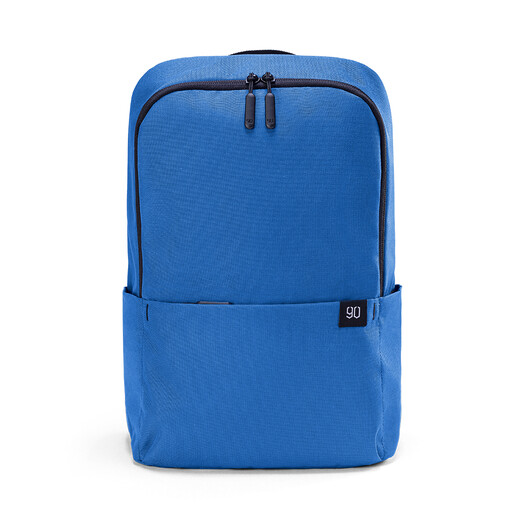
Why it's the right choice : Ideal for those who want to travel light in the city. Its 12L capacity is enough for the essentials (tablet, book, wallet) without being bulky, and at 194g, you'll completely forget it's on your back.
It avoids the fragility pitfall. Despite being ultra-light, it's crafted from a quality, snag-resistant fabric designed to last far beyond just a few uses.
Its feather-light weight of 194 grams (less than a small water bottle!) ensures maximum carrying comfort in the city.
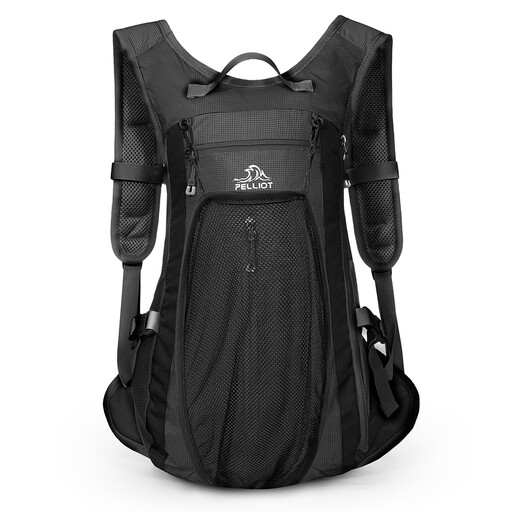
Why it's the right choice : Built for active hiking and trail running, this 20L pack focuses entirely on ergonomics. It's perfect for those on the move who need a pack that remains stable and comfortable during exertion.
It tackles the discomfort pitfall head-on. Its ergonomic harness is designed to distribute the load ideally and relieve the shoulders—a weak point for many lightweight packs.
Its S.L.F. (Stable, Lightweight, Fast-access) design ensures it stays close to the body to limit bouncing, while its grid-patterned polyester fabric handles friction on the trails without flinching.
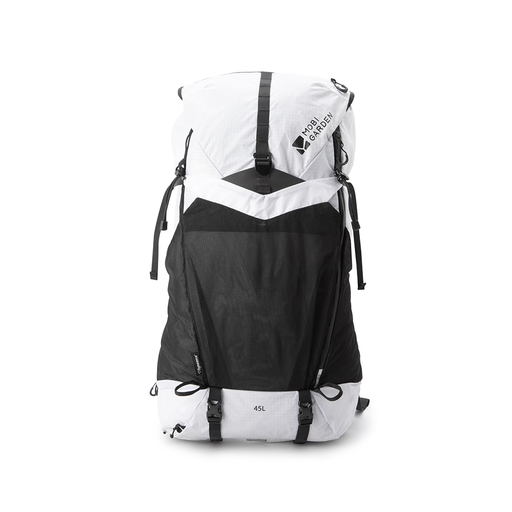
Why it's the right choice : A highly technical model for demanding trekkers looking to optimise every gram of their gear. Its large 45L capacity and cutting-edge material are perfect for 2-3 day excursions.
It solves the eternal weight vs. durability dilemma. The Dyneema composite fabric is renowned for its outstanding resistance to tearing and abrasion, all while being significantly lighter than conventional materials.
Its 3D mesh suspended back panel promotes air circulation to reduce sweat, while the adjustable hip belt perfectly distributes the load for optimal comfort over long distances.
We have curated a complete selection of backpacks that meet our strict selection criteria and current safety standards.
Definitely no washing machine! Cleaning should be done by hand. Use a damp sponge and a little mild soap (like castile soap) to scrub any stains. Rinse with clean water and let it air dry, but keep it out of direct sunlight, which can degrade the fabric and its coating over time.
A water-repellent fabric causes droplets from a light rain to bead up, but it's not designed to withstand prolonged exposure or a heavy downpour. Water will eventually seep through. A truly waterproof pack combines a watertight material with meticulous construction (heat-taped seams) to block any water infiltration, even in driving rain. For a mountain hike where the weather can change quickly, a waterproof model is an essential safeguard.
It all depends on its design. A quality ultralight pack, made from technical materials (like Dyneema) and equipped with a proper carrying system (padded shoulder straps, hip belt), can perfectly handle a significant load while remaining comfortable. Conversely, a budget model that sacrifices everything for lightness with overly thin fabrics and token straps will quickly show its limits and become a nightmare with more than a few kilos on your back. Don't just rely on the empty weight; analyse the pack's architecture as well.