For a quick dinner
If you want a meal you can heat up and eat in front of the TV, compare similar recipes rather than relying on the word ‘reduced-fat’ alone. Fat, saturates, salt and portion size all matter when you’re choosing.


For dinner in front of the TV, choose between a frozen ready meal and a plate you put together yourself, depending on how much time you want to spend preparing it. Either way, compare the fat, saturates and salt per 100 g, then work out how these figures relate to the amount you’ll eat. Frozen vegetables let you control added ingredients separately, but you’ll need to prepare the rest of the meal.
If you want a meal you can heat up and eat in front of the TV, compare similar recipes rather than relying on the word ‘reduced-fat’ alone. Fat, saturates, salt and portion size all matter when you’re choosing.
If you don’t mind doing a little preparation, frozen vegetables can make a good base. You can then choose the other parts of your dinner and control how much oil, sauce or cheese you add.
Whether you’re eating alone or with others, check the weight and number of portions before choosing between an individual tray and a sharing pack. Also check the details of the product available at your supermarket or through its online grocery service.
First decide whether you want a ready-made meal or can prepare its different components yourself. Then compare the nutritional information for products in the same category, taking into account the portion you’ll eat.
Choose this if: you want to keep preparation to a minimum and serve a meal that’s already put together.
Bear in mind: the recipe determines how much sauce and other ingredients it contains. Check the label and how much you’ll be eating.
Choose this if: you’d rather control the additions yourself and put your dinner together.
Bear in mind: vegetables on their own may not make a complete meal, and you’ll need to prepare the other parts of your dinner.
| Criteria | What to check | Who is it for? |
|---|---|---|
| Fat | Compare fat and saturates per 100 g in similar recipes, then take the amount you’ll eat into account. | I want to cut down on fat without assuming that a ‘reduced-fat’ claim tells me everything about the meal; around 36% of consumers would make this their priority. |
| Complete, convenient meal | Check what the recipe contains and, if shown, use the Nutri-Score to compare products in the same category. | When I’m having dinner in front of the TV, I’d rather serve a ready-made meal than prepare several components; this would be the priority for around 29% of consumers. |
| Portion | Check the net weight and number of portions, particularly for family-size trays and sharing bags. | If I’m eating alone, I want to know how much I’ll actually serve; around 21% of consumers would prioritise this choice of size. |
| Build-your-own plate | Distinguish between a side dish and a complete meal, and check the cooking instructions before planning the other components. | I’d like to vary the vegetables and choose what to serve with them; around 14% of consumers would put building their own plate first. |
The fat content alone won’t tell you how much salt or sugar a meal contains, or how much you’ll eat. Nutri-Score can help you compare products in the same category, but it doesn’t replace the nutritional information on the label.
Check the figures per 100 g and relate them to your portion. Also compare saturates and salt.
A pan-fried vegetable mix can be the base of your dinner without making up the whole meal. For example, Carrefour Extra’s grilled vegetable mix is described as a side dish.
Plan the other parts of your meal to suit the plate you want to put together, and control additions separately.
A product’s instructions may suggest cooking it in a frying pan with fat. Any oil you add then becomes part of the meal, even though it isn’t included in the nutritional information for the product as sold.
Check the cooking instructions before buying and take any ingredients you’ll add into account.
A sharing bag or family-size tray isn’t automatically the right size for one person’s dinner.
Check the weight, number of portions and whether you can serve just the amount you want.
An option to consider if you want to build a plate around frozen vegetables.
According to E.Leclerc, its online grocery service shows the Nutri-Score for its own-brand food products and, where possible, for national brands too.
Its online range includes separate categories for individual, family-size and quick-cook ready meals.
A supermarket where you can check which frozen ready meals are available when you shop.
Its frozen range includes vegetables and ready meals.
The supermarket highlights a selection of ready meals with a Nutri-Score of A or B.
These frozen vegetables can be a base or side dish for a dinner you put together yourself. Choose the other parts of the meal and check what you’ll need to add during cooking; none of these products is presented here as a complete ready meal.
 Image unavailable
Green beans to serve as a side dish with a meal you’ve put together, rather than as a complete dinner.
Pack size: 750 g. Remember to take any salt or other ingredients added during preparation into account.
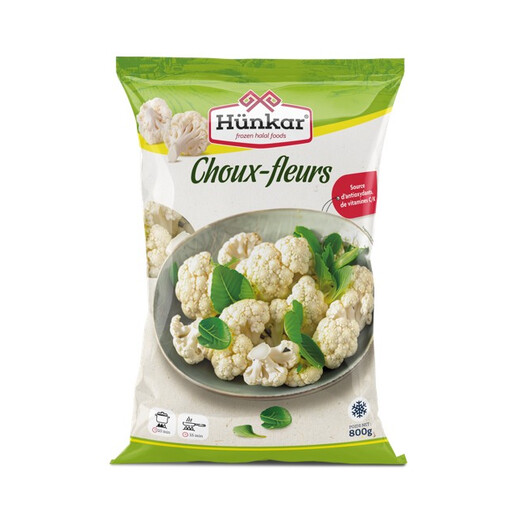 Image unavailable
Cauliflower to include in a dinner where you prepare the other components separately.
Pack size: 800 g. Check the cooking instructions on the packaging to plan your meal preparation.
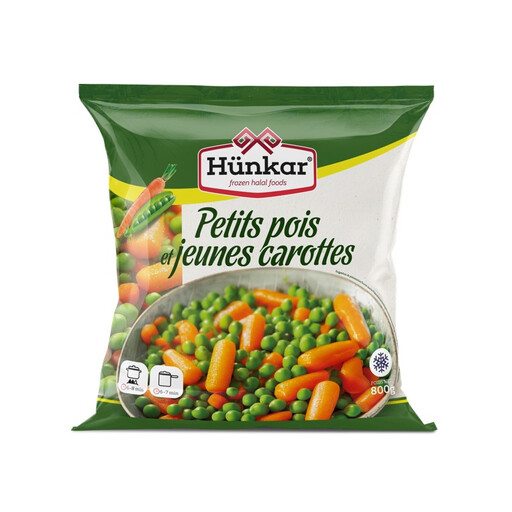 Image unavailable
A vegetable mix to complement your plate, rather than replace a ready meal on its own.
Pack size: 800 g. Check the packaging for cooking instructions to suit the dinner you’re preparing.
No. This claim alone doesn’t tell you everything about the recipe. To choose between similar meals, check the fat, saturates and salt per 100 g, then consider how much you plan to eat.
No. Nutri-Score doesn’t only indicate fat content. Manger Bouger recommends using it to compare products in the same category; also check the fat content and portion size.
Start with the product name, ingredients, weight and preparation instructions. The DGCCRF states that nutritional declarations are given per 100 g or 100 ml, so check the energy, fat, saturates, sugars and salt in particular.
Pick it up at the end of your shop, carry it in an insulated bag if possible and put it away promptly, following the instructions on the packaging. The DGCCRF stresses the importance of keeping frozen food cold during transport.