Who is this guide for?

Anyone looking to check fat content

You’re looking for a specific claim and comparable nutrition figures, rather than a dessert simply described as light or fruity. Check the fat and saturated fat per 100 g, along with the conditions attached to the claim.

Anyone responsible for transporting and serving it

You need to get a frozen dessert to your picnic and keep it cold before serving. Anses advises buying frozen food towards the end of your shop, using an insulated bag and keeping transport time to a minimum.

Groups choosing between sharing and individual portions

You’re comparing a tub, a dessert to share or individual portions, depending on the number of people and how you’ll serve it. The format alone doesn’t tell you how much fat it contains.

What should you check?

First, distinguish fat content from any claim that the product has reduced fat, then check how you’ll keep the dessert cold. After that, compare the number of portions and the texture to help you choose a format.

Criterion What to check Who is it for?
Fat content Look for the exact claim. Compare the fat per 100 g and, for a “reduced fat” claim, check which similar product is used as the comparison. If my priority is a verifiable reduction, the dessert’s name alone isn’t enough to help me choose. Around 42% of consumers would put this check at the top of their list.
Keeping it cold Plan to use an insulated container and check the product’s storage instructions up to serving time. If there’s a journey before the meal, I need to be able to keep the dessert cold rather than relying on its packaging alone. Around 33% of consumers would put this first.
Format and sharing Compare the net weight and number of portions. Choose a format you can serve while keeping it cold. If I’m serving several people, I want to know whether individual portions or a dessert to share will suit our plans. Around 25% of consumers would make this their main priority.

Mistakes to avoid

  • Assuming “sorbet” or “light” means reduced fat

    These words don’t replace the product’s nutrition claim. According to the European Commission, “reduced fat” involves comparing the product with a similar one, while “low fat” has its own specific threshold.

    Read the exact claim and compare fat, saturated fat, sugars and energy per 100 g across similar products.

  • Judging the ingredients by a creamy texture

    Picard describes its ice creams as higher in fat than standard ice creams, but this general description doesn’t tell you the nutrition figures for every product.

    If a creamy texture matters to you, check the label on the specific dessert before deciding whether it meets your fat-content criteria.

  • Choosing a dessert without planning how to keep it cold

    An individual portion can make serving easier, but you’ll still need to protect frozen food during the journey. Anses recommends using an insulated bag and keeping transport time to a minimum.

    Buy the dessert towards the end of your shop, carry it in an insulated container and follow its storage instructions until serving.

  • Comparing formats by the number of items alone

    A multipack and a tub won’t necessarily contain the same number of portions or be equally easy to serve.

    Check the net weight and number of portions, and make sure you have enough room in your insulated container before choosing a format.

Retailers to compare formats

Carrefour

Carrefour’s range lets you browse several frozen dessert formats, including ice lollies, cones and tubs.

  • You can compare several formats in the same aisle.
  • If you’re looking for reduced-fat options, check the claim and nutrition information for each product.

E.Leclerc

E.Leclerc’s Eco+ range includes tubs, cones and multipacks of ice lollies.

  • The different pack sizes give you options for serving a group.
  • Check the details for your chosen product and whether it’s available at your selected store.

Auchan

Auchan’s range includes categories such as sorbets, ice creams, ice lollies, pots and tubs.

  • These categories let you compare different recipes and formats.
  • Check the fat, sugar and allergen information on the label of the exact product you’re considering.

Picard

Picard offers frozen desserts to share and individual portions, as well as frozen fruit and mochi.

  • The range makes it easy to choose between individual portions and a dessert to share.
  • The format and category don’t prove that a product carries a reduced-fat claim.

ALDI

ALDI France’s range includes ice creams, cones, ice lollies and individual desserts.

  • You can compare individual portions and multipacks to suit the number of people you’re serving.
  • Check what’s available in store and the nutrition information for your chosen product.

Frozen desserts available on Joybuy

These sorbets give you the choice of a dessert to share or individual ice lollies for your picnic. The name or format alone doesn’t establish a “reduced fat” claim. Check the nutrition information and label for your chosen product, and plan how you’ll keep it cold.
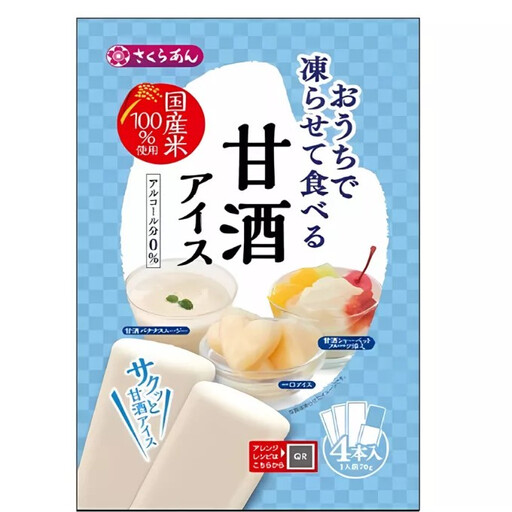
TANIO frozen amazake sorbet, 280 g

TANIO frozen amazake sorbet, 280 g

Worth considering if you’re looking for a sorbet to take on a picnic. The pack contains 280 g; check the portions, nutrition information and storage instructions before choosing.

View on Joybuy
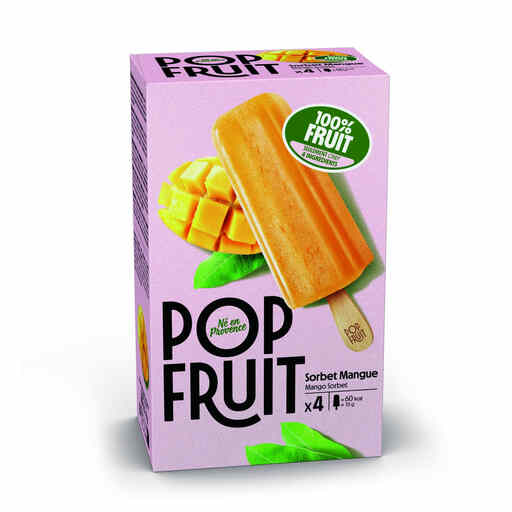
POP FRUIT 100% Mango sorbet sticks, pack of 4, 280 g

POP FRUIT Sorbet Sticks 100% Mango, pack of 4, 280 g

The pack of four ice lollies could work well for serving individual portions. To check the fat content, compare the figures per 100 g and look for any claim on the packaging. You’ll also need to keep them cold until serving.

View on Joybuy
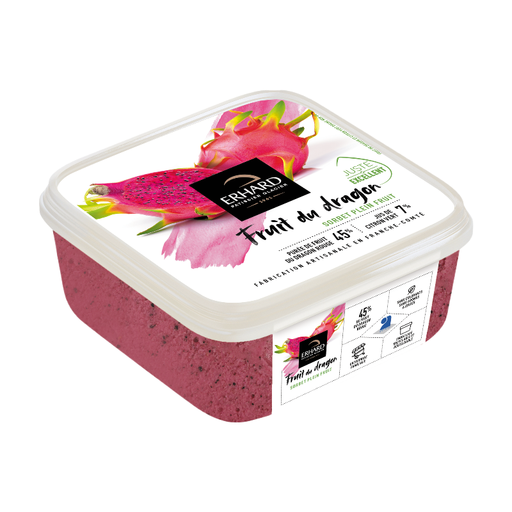
ERHARD dragon fruit and lime sorbet, 488 g

ERHARD dragon fruit and lime sorbet, 488 g

This 488 g sorbet is worth considering if you’d rather serve dessert from a shared tub. Work out how many portions you’ll need, compare the nutrition information and plan to keep it cold until serving.

View on Joybuy

Frequently asked questions

What does “reduced fat” mean for a frozen dessert?

According to the European Commission’s guidance on nutrition claims, this means a reduction of at least 30% compared with a similar product. Check what comparison is given for the product in question; the claim alone doesn’t tell you how much sugar or energy it contains.

Do “low fat” and “reduced fat” mean the same thing?

No. For solid food, “low fat” means no more than 3 g of fat per 100 g, according to the European Commission. “Reduced fat”, on the other hand, is based on a comparison with a similar product. In both cases, check the other nutrition figures too.

Is sorbet always lower in fat?

No. “Sorbet” describes a type of dessert, not a “reduced fat” claim. To compare two products, check the fat per 100 g and any claim on each pack.

How should I take a frozen dessert to a picnic?

Buy it towards the end of your shop, carry it in an insulated bag and keep the journey as short as possible, as advised by Anses. Follow the storage instructions for the specific product until serving, rather than assuming an individual portion will stay cold in warm weather.