
Livraison le jour même ou le lendemain

Qualité garantie

Débloquez vos offres de bienvenue: Livraison GRATUITE | Jusqu'à -80 % | 30 jours d'essai gratuits à JoyPlus
Téléchargez l'application
Light wood effect peel and stick wallpaper is the ideal solution for adding warmth and a fresh look to your interior without committing to major renovations. Whether you want to create an accent wall in the living room, give your kitchen a makeover, or breathe new life into a piece of furniture, the promise is the same: a quick and cost-effective transformation. However, the market is flooded with products of wildly inconsistent quality, and it's easy to fall into common traps that lead straight to disappointment.
As a Product Specialist at Joybuy, my mission is to guide you through the jungle of options to help you make an informed choice. Let's review the most common pitfalls and the essential criteria to check before you buy.
To avoid these disappointments, a few technical specifications make all the difference. Here they are.
The material directly impacts the look and durability of your adhesive wrap for furniture or walls.
Before you click "Add to Cart," get out your tape measure.
Good adhesion is the result of a winning combination: a high-performance adhesive and an impeccably prepared surface. The product description should specify that it is designed for application on smooth, clean, and dry surfaces (painted walls, melamine, varnished wood, etc.). For an effortless furniture or wall refresh, cleaning and degreasing the surface are non-negotiable steps to ensure long-lasting hold.
Every project has its own constraints and desires. Here are our recommendations for different needs.
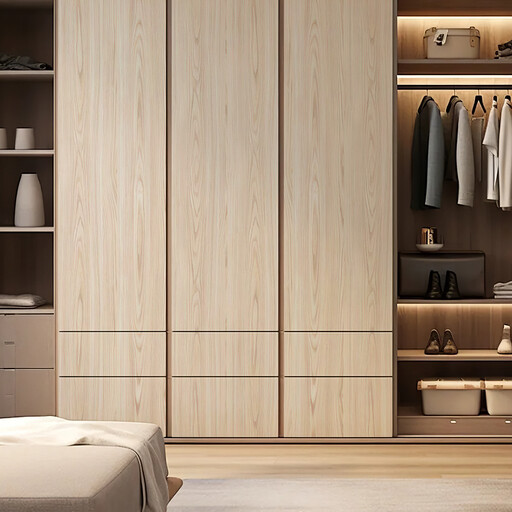
Why we love it: Perfect for creating a bright and warm accent wall. Its light wood tone and subtle grain blend beautifully into Nordic-inspired decor without ever darkening the room.
Its high-quality PVC vinyl and matte finish prevent the "plastic" effect. Its wide width (60 cm) and generous length (over 5 m) allow you to cover a large area with minimal seams.
Its long length (over 5 metres) is ideal for full walls. It reduces the risk of running out of paper and ending up with unsightly seams.
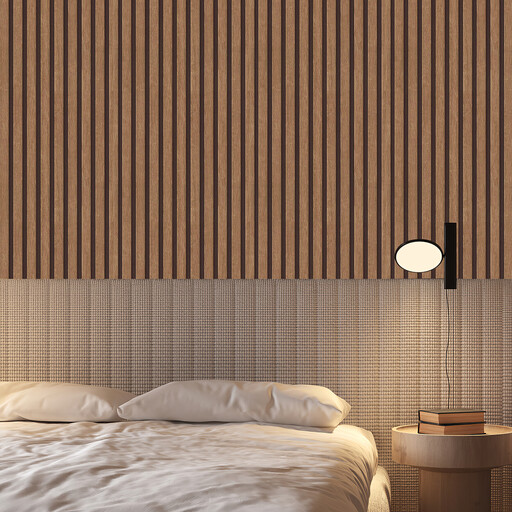
Why we love it: Perfect for giving a dresser, cabinet door, or headboard the trendy "wood slat" look. The vertical slat pattern adds structure to the space and brings a touch of modernity.
Its adhesive is designed for smooth furniture surfaces (melamine, painted wood). With proper surface preparation, you can prevent premature peeling, even on frequently handled cabinet doors.
It offers the highly sought-after aesthetic of slatted panels without the hassle of cutting and installing real wood slats. An effortless furniture refresh solution for a stunning effect.
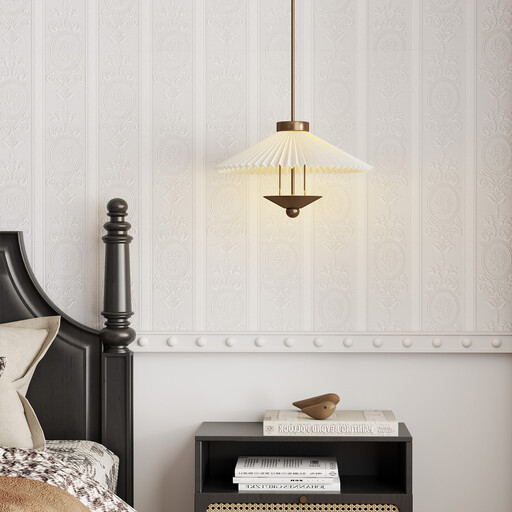
Why we love it: A subtle alternative to wood, this peel and stick wallpaper offers a discreet and elegant texture. Its vertical pattern and neutral beige colour add dimension to a wall without overwhelming the space.
It's designed for targeted projects (niche backdrops, bookshelf interiors, entryway walls), which avoids the pitfall of unsuitable dimensions and waste.
Its subtle texture provides a sophisticated, "chic hotel wall" touch that elevates a room with refinement. Its PVC backing also makes it very easy to maintain.
Discover our complete selection of products that meet our quality criteria and reflect current trends.
Yes, but with a few precautions. PVC-based wallpapers are highly resistant to humidity and can be installed in a bathroom. You just need to avoid areas in direct and constant contact with water, like inside a shower or around the edge of a bathtub. They are perfect for the wall behind a vanity (outside the splash zone) or other walls in the room.
Its longevity depends on three factors: the quality of the product, the preparation of the surface, and how the furniture is used. On a well-prepared, smooth surface that isn't exposed to a lot of friction, a quality adhesive vinyl can last for several years without shifting. On a high-traffic kitchen table or desk, wear and tear will naturally be faster.
The secret is a methodical application. Start by thoroughly cleaning and drying the surface. Don't remove the entire backing paper at once. Peel back only the first 10-15 centimetres, position the paper, and then smooth it from the centre outwards with a squeegee (or a soft cloth wrapped around a rigid card). Continue by gradually removing the backing paper while pushing out the air. If a stubborn bubble remains, discreetly prick it with a fine needle and smooth it down again.